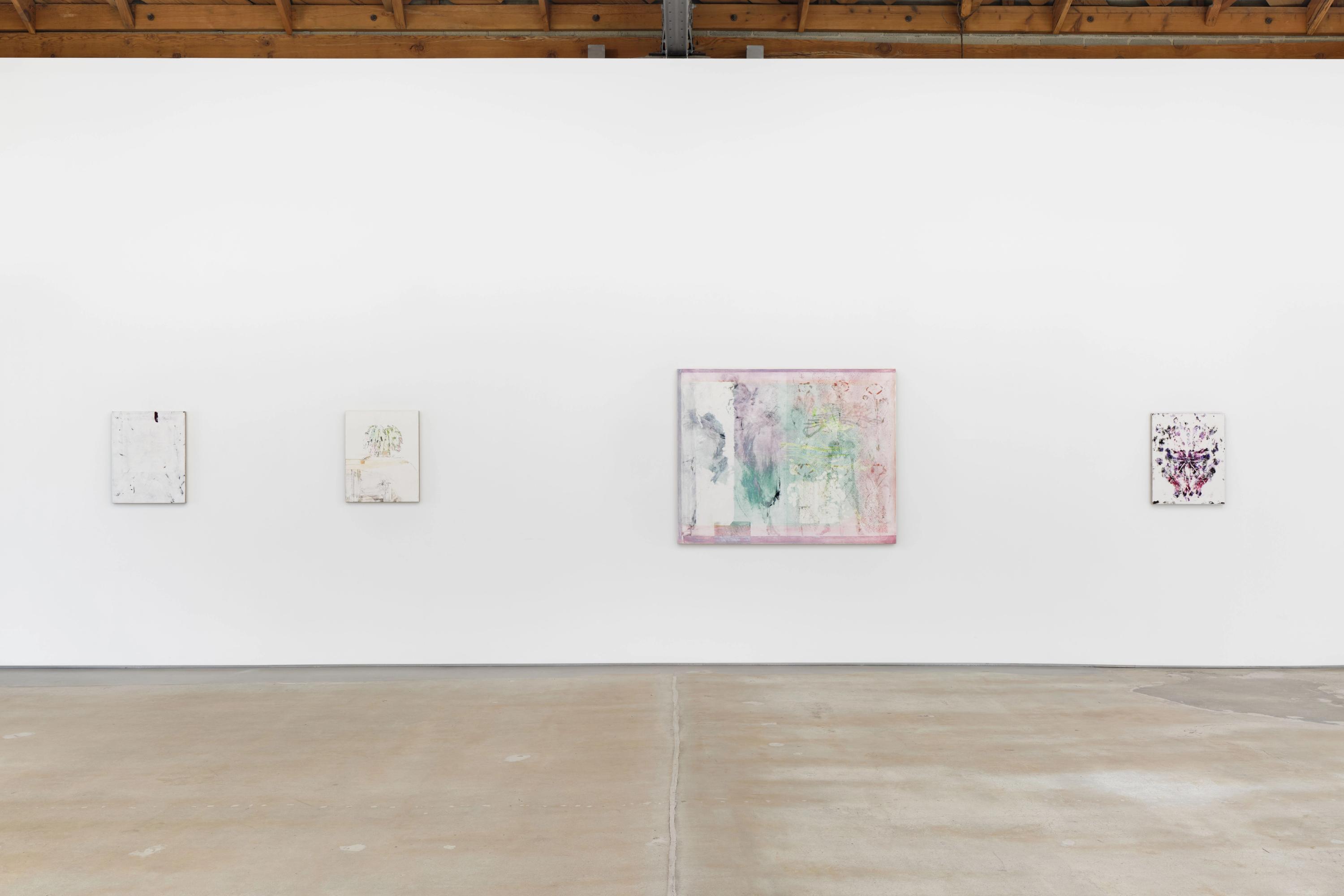
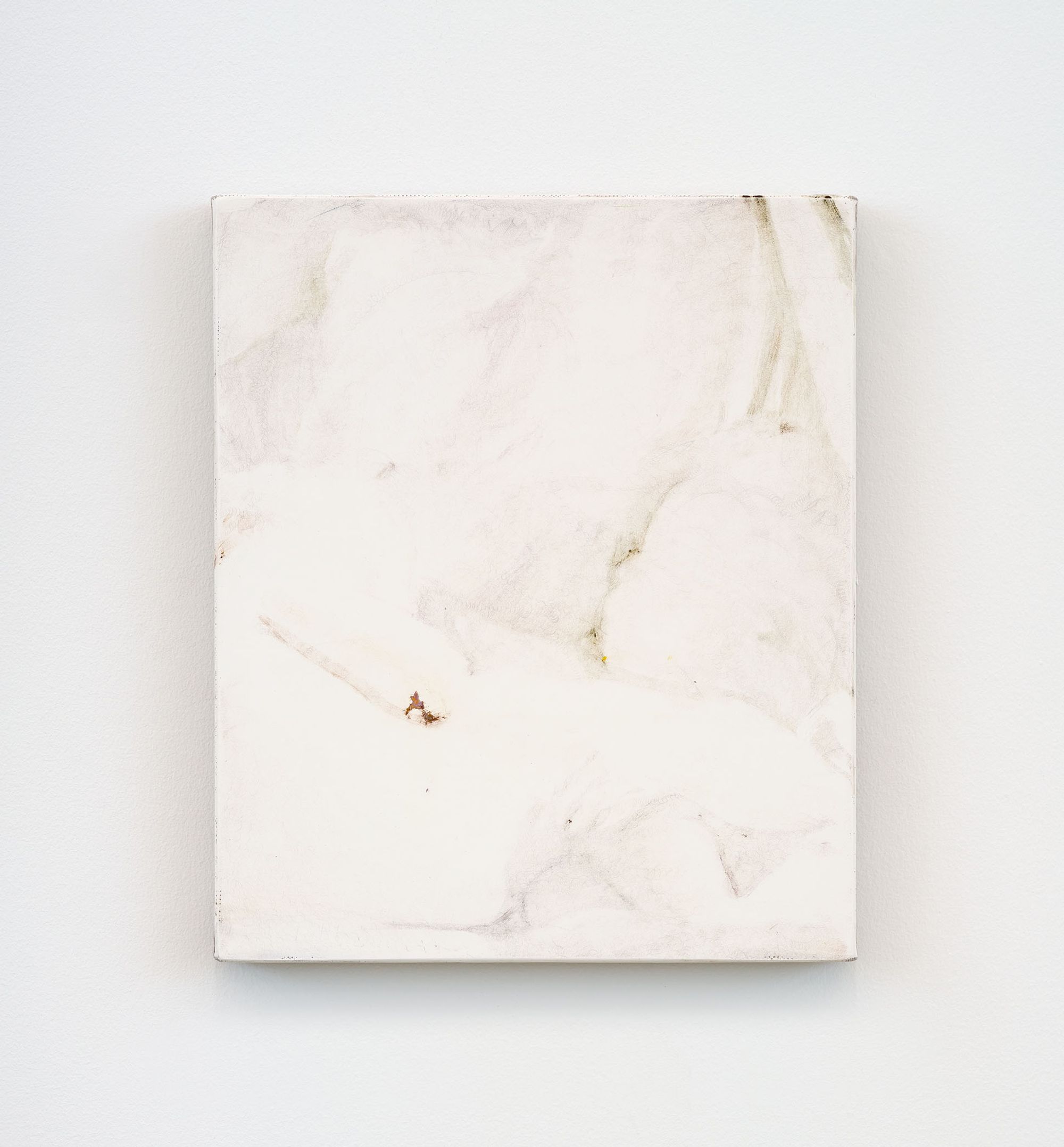
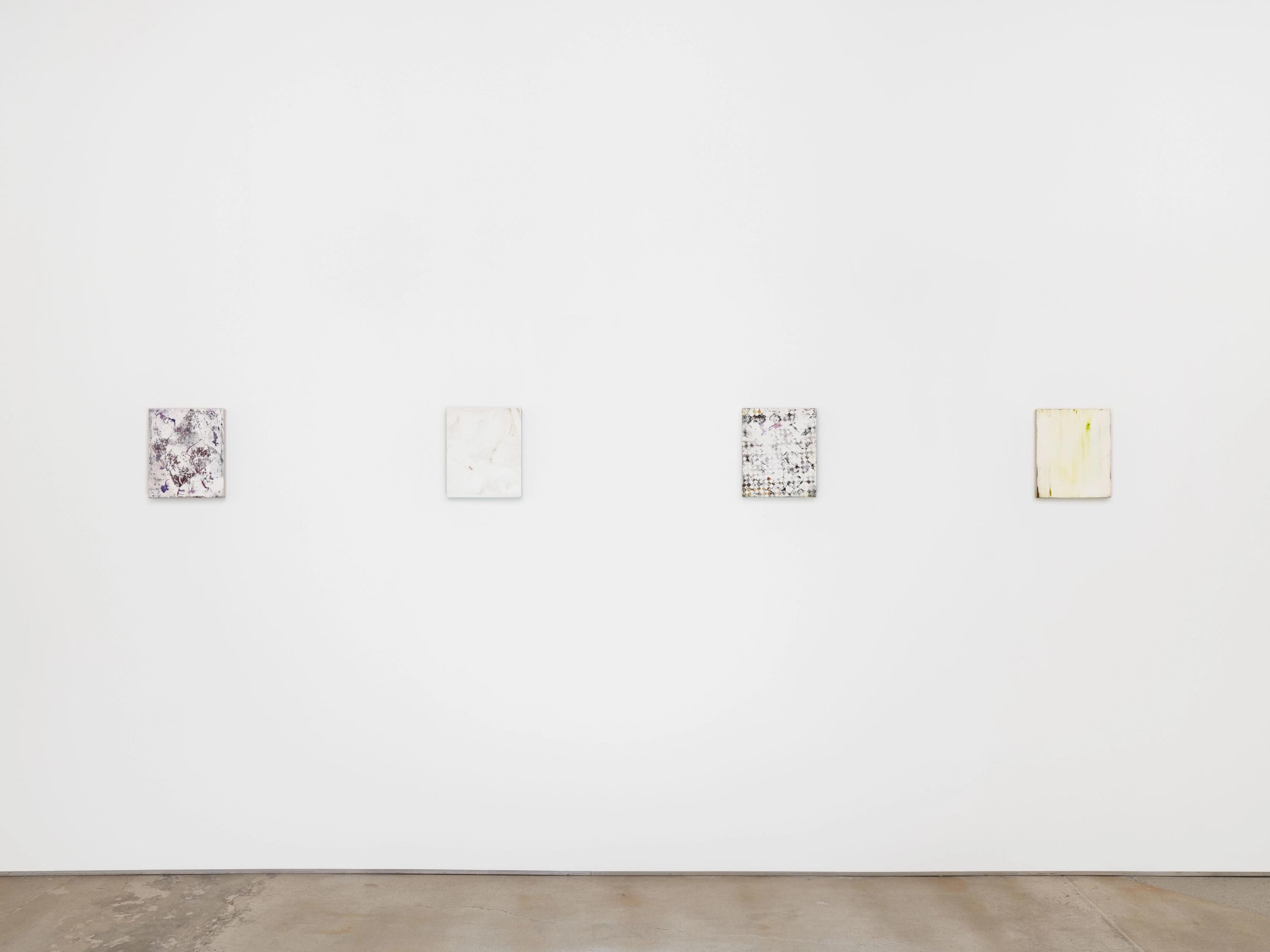
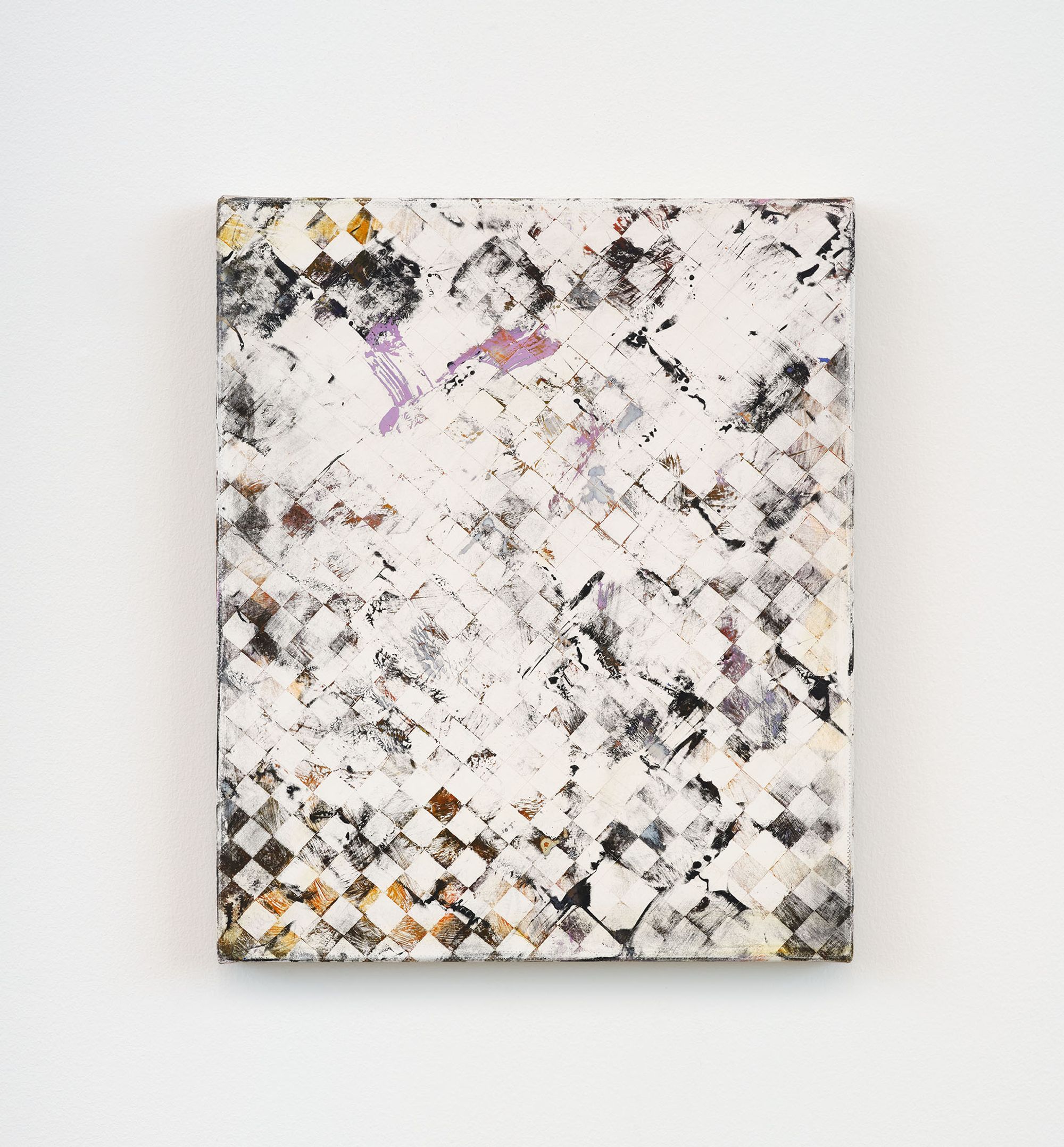
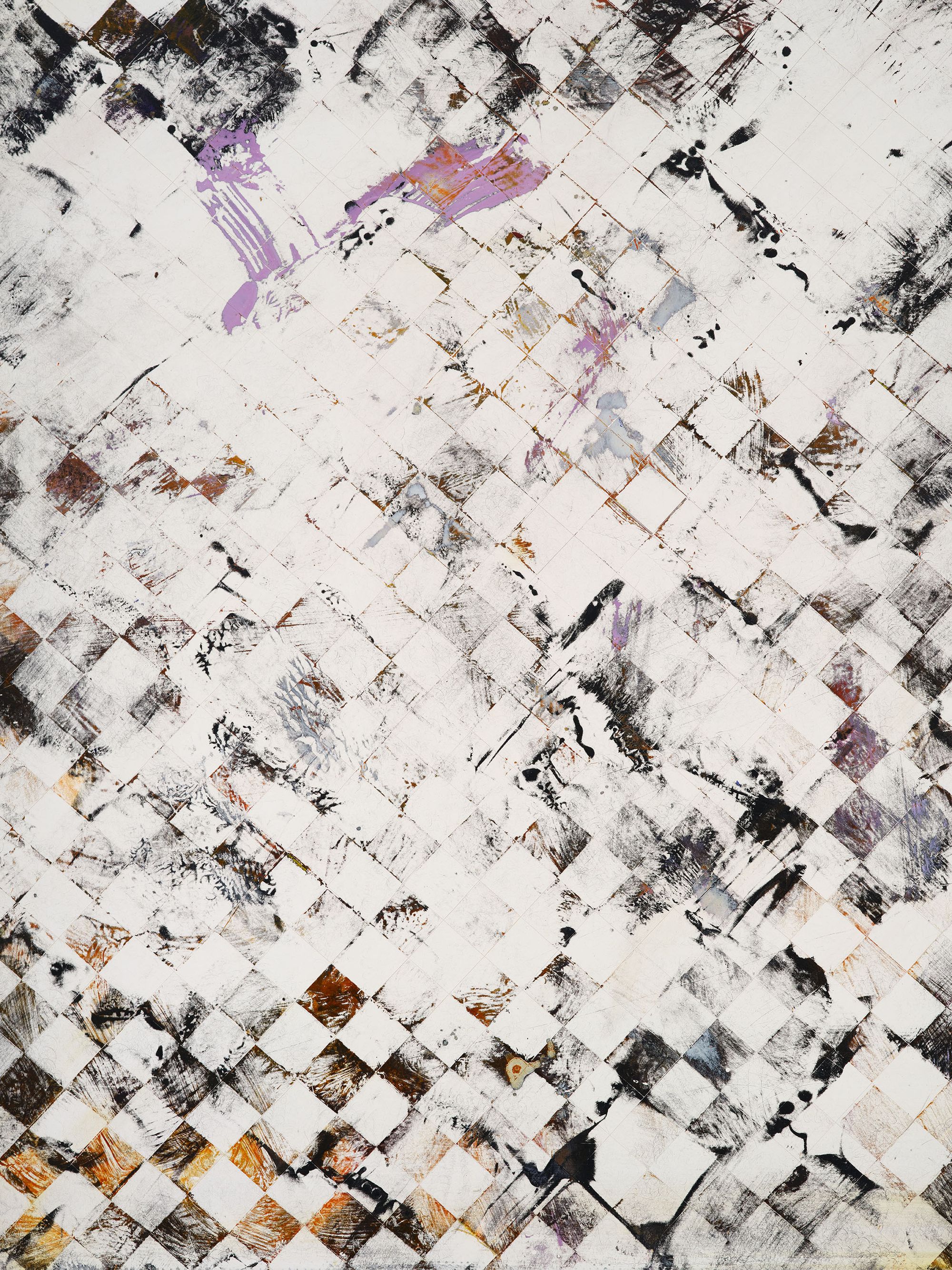
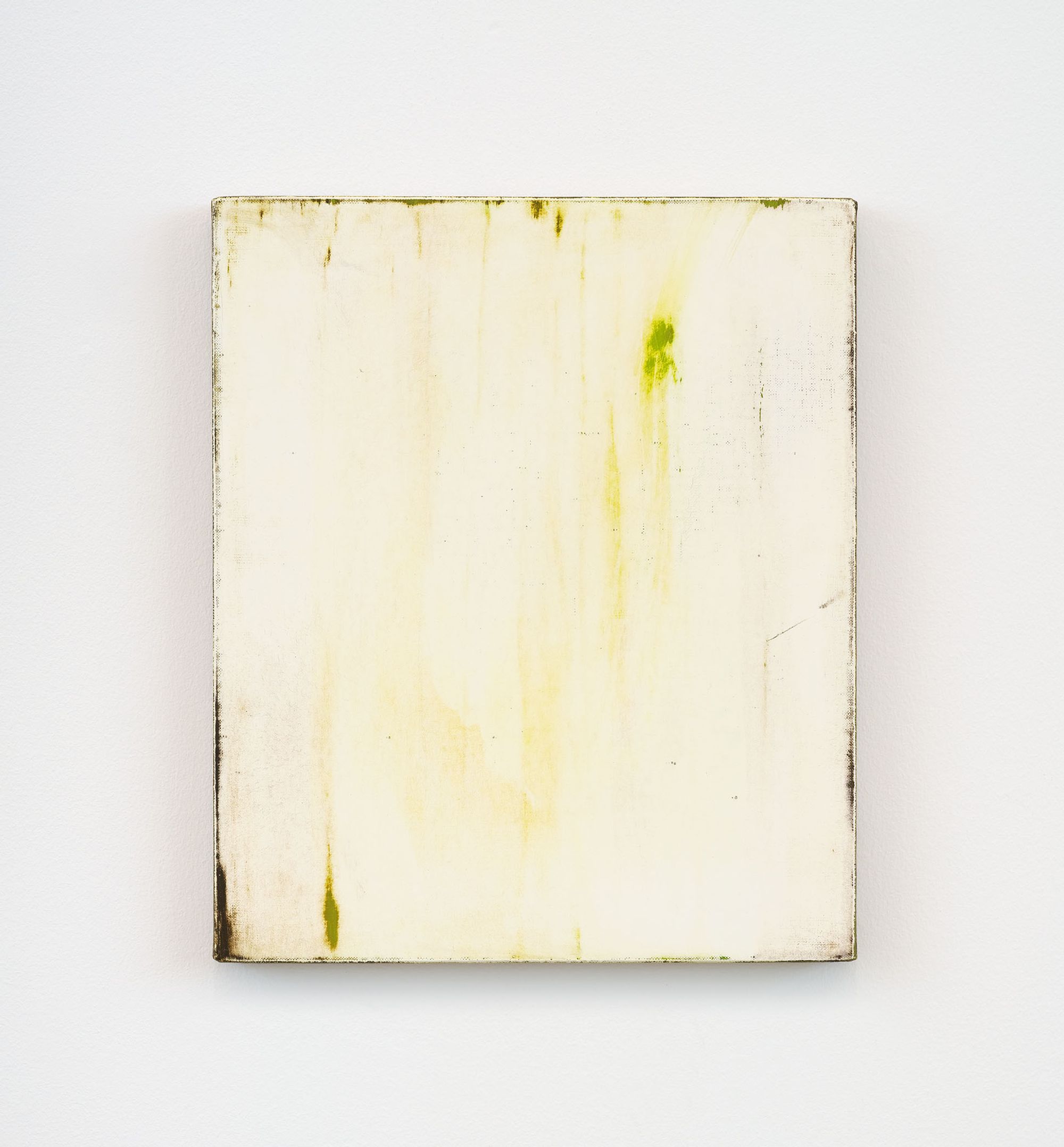
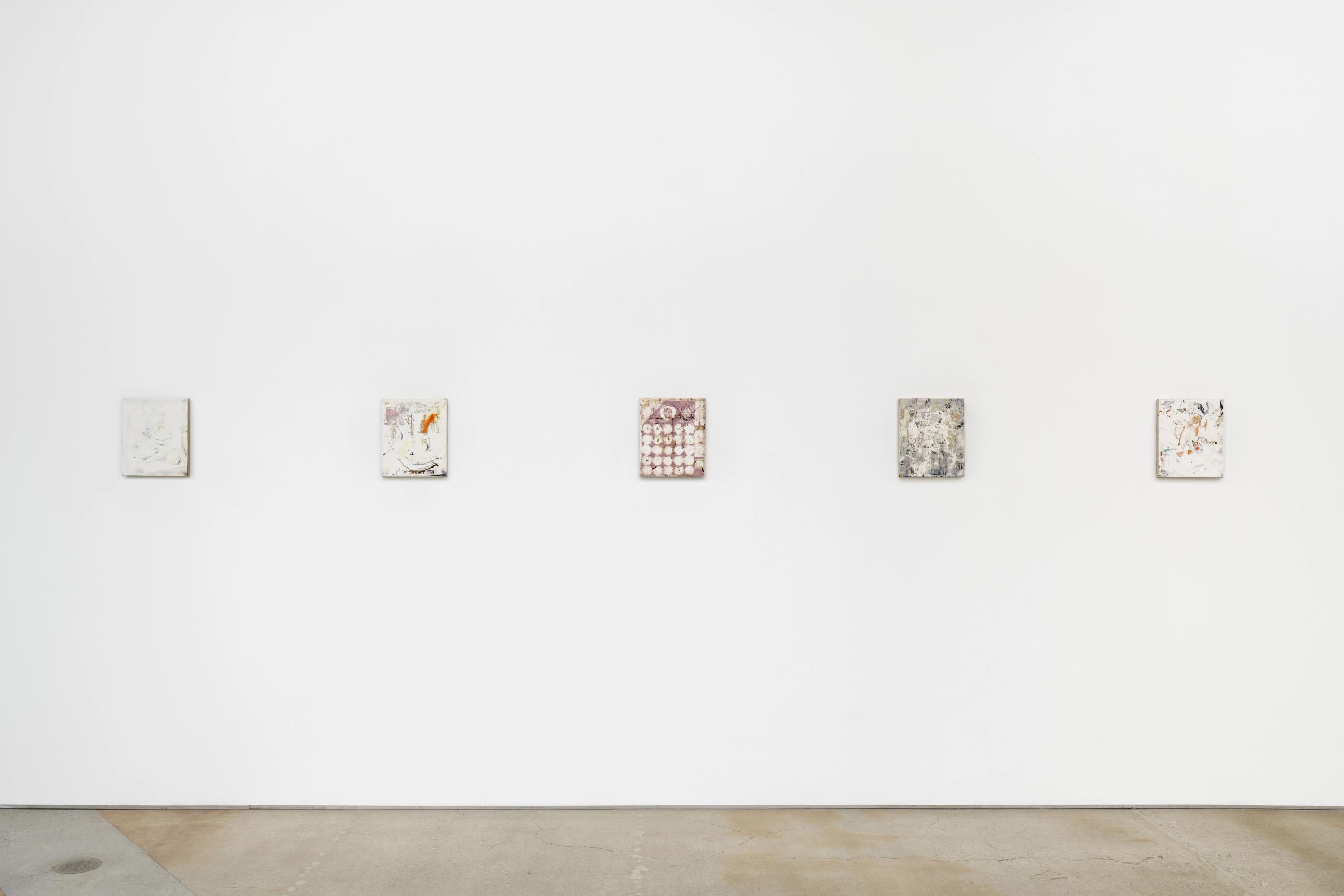
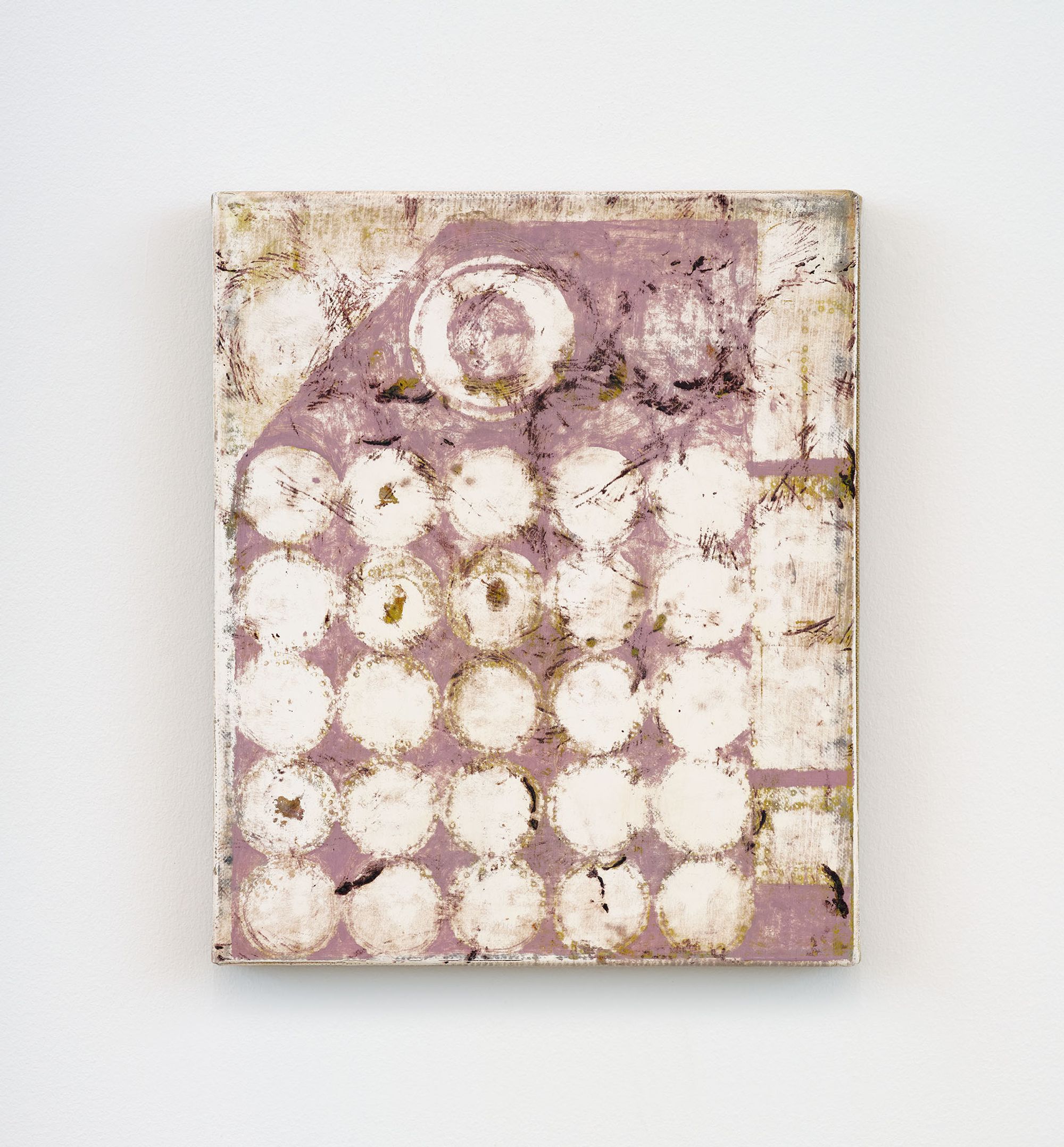
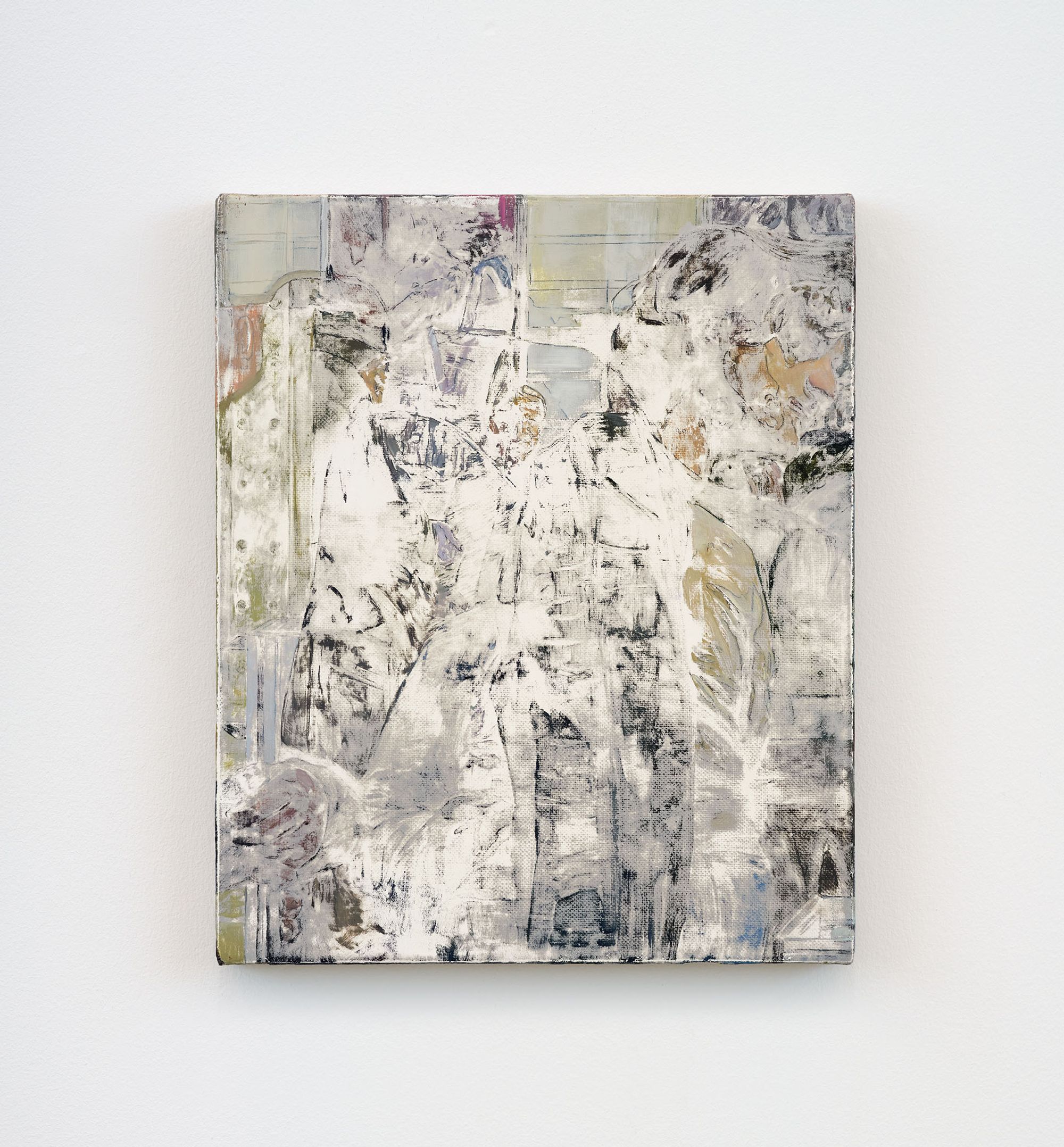
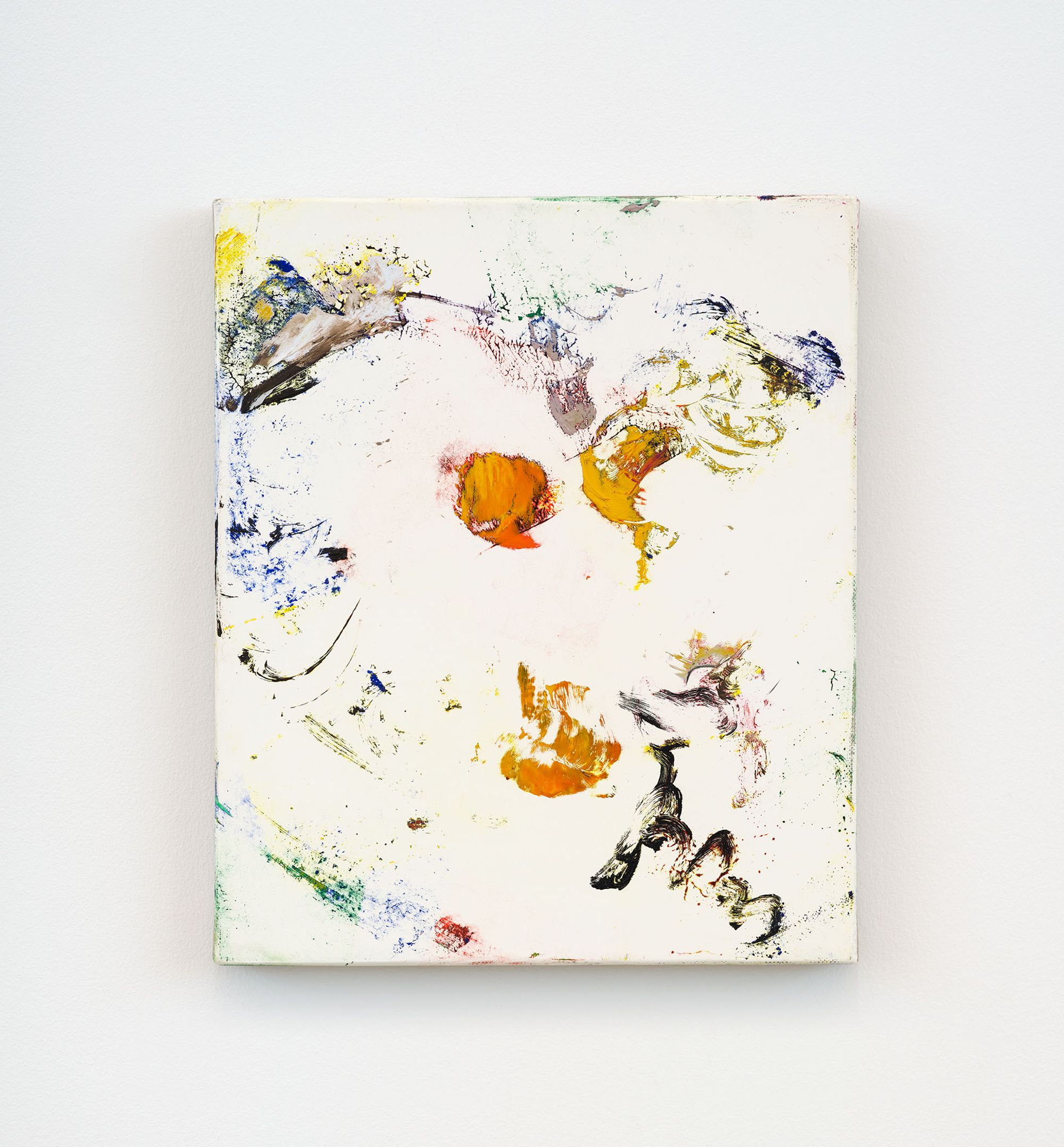
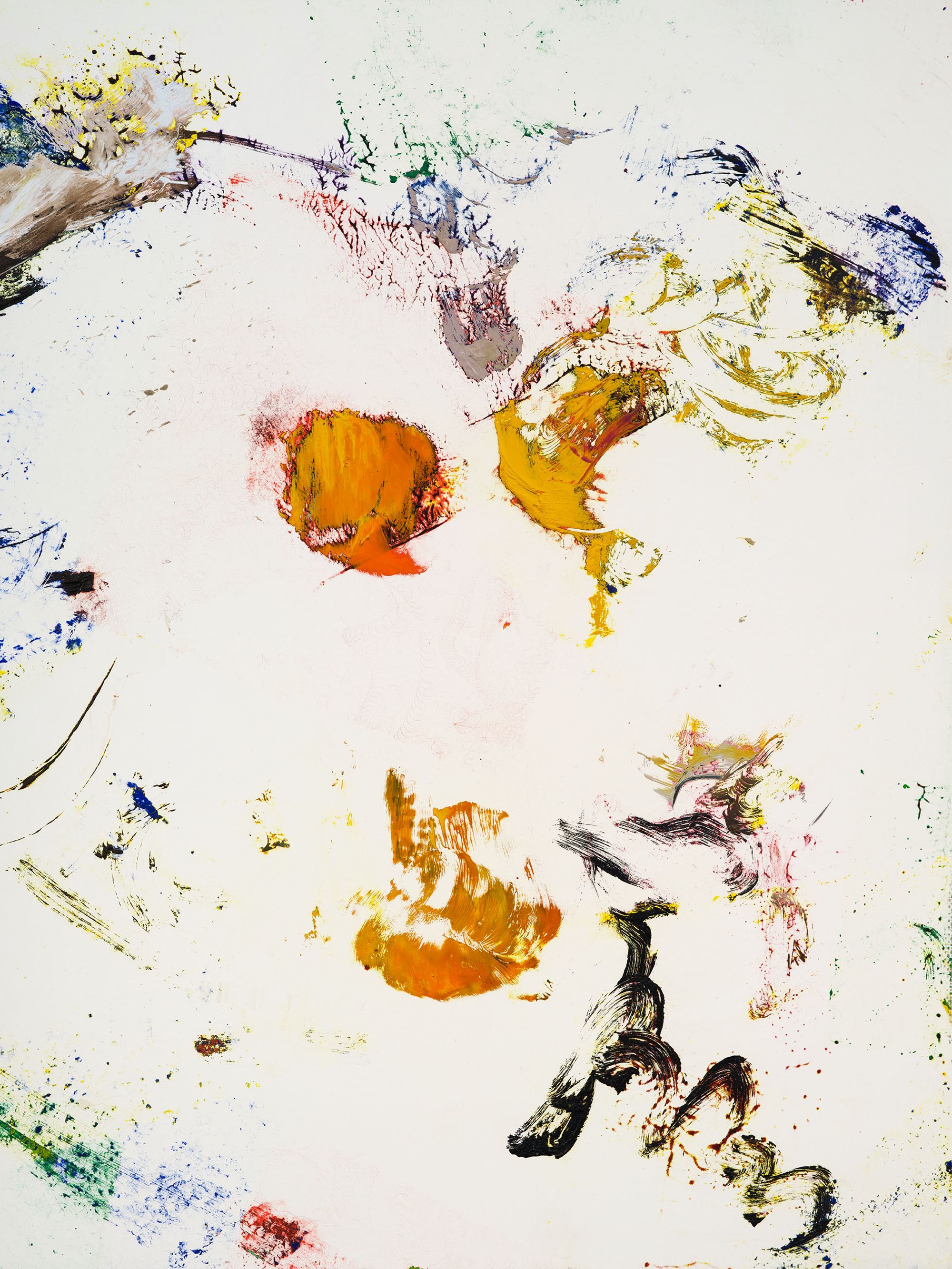
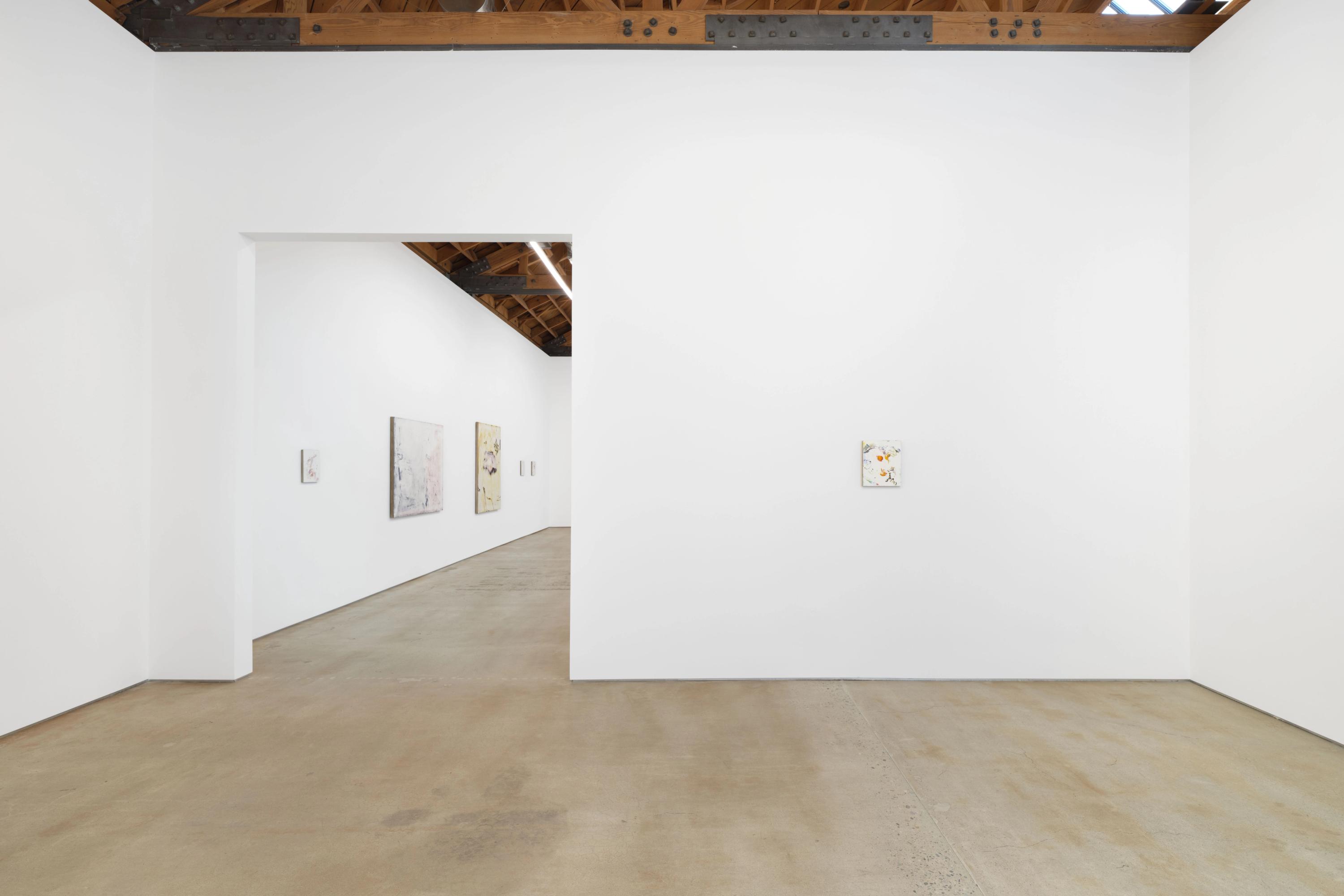
In Van Hanos’ work, one encounters the discursive impact of conceptualism and the sensorial possibilities of the painted plane. Hanos makes exhaustive use of the malleable structure of paint, stretching the medium between interior sites of invention and exterior sites of observation. Conceptualism and materialism are not antagonistic in Hanos’ pursuits, but are equally essential in a practice that is concentrated on the specificity of painting and its evolving status in the greater apparatus of picturing.
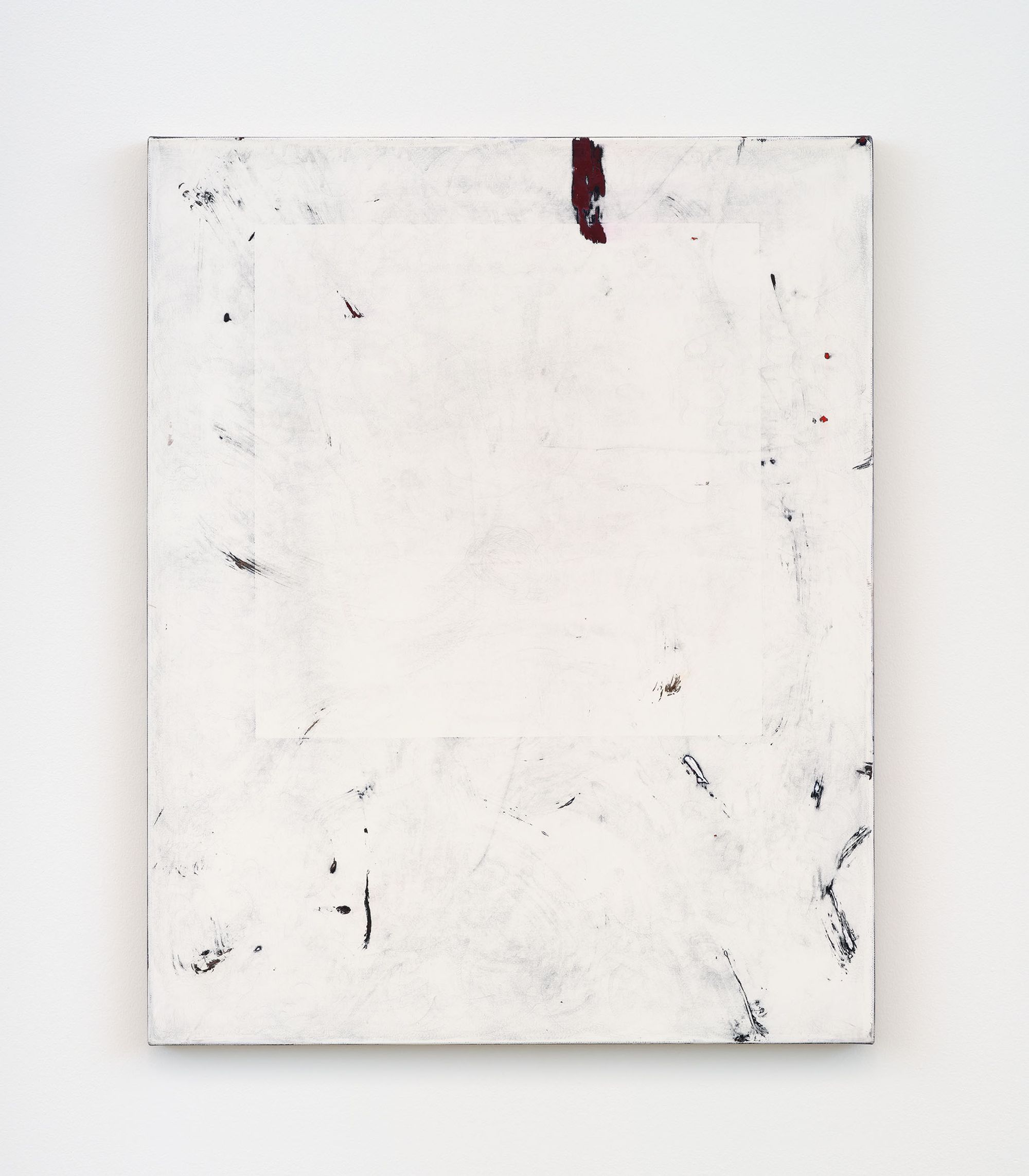
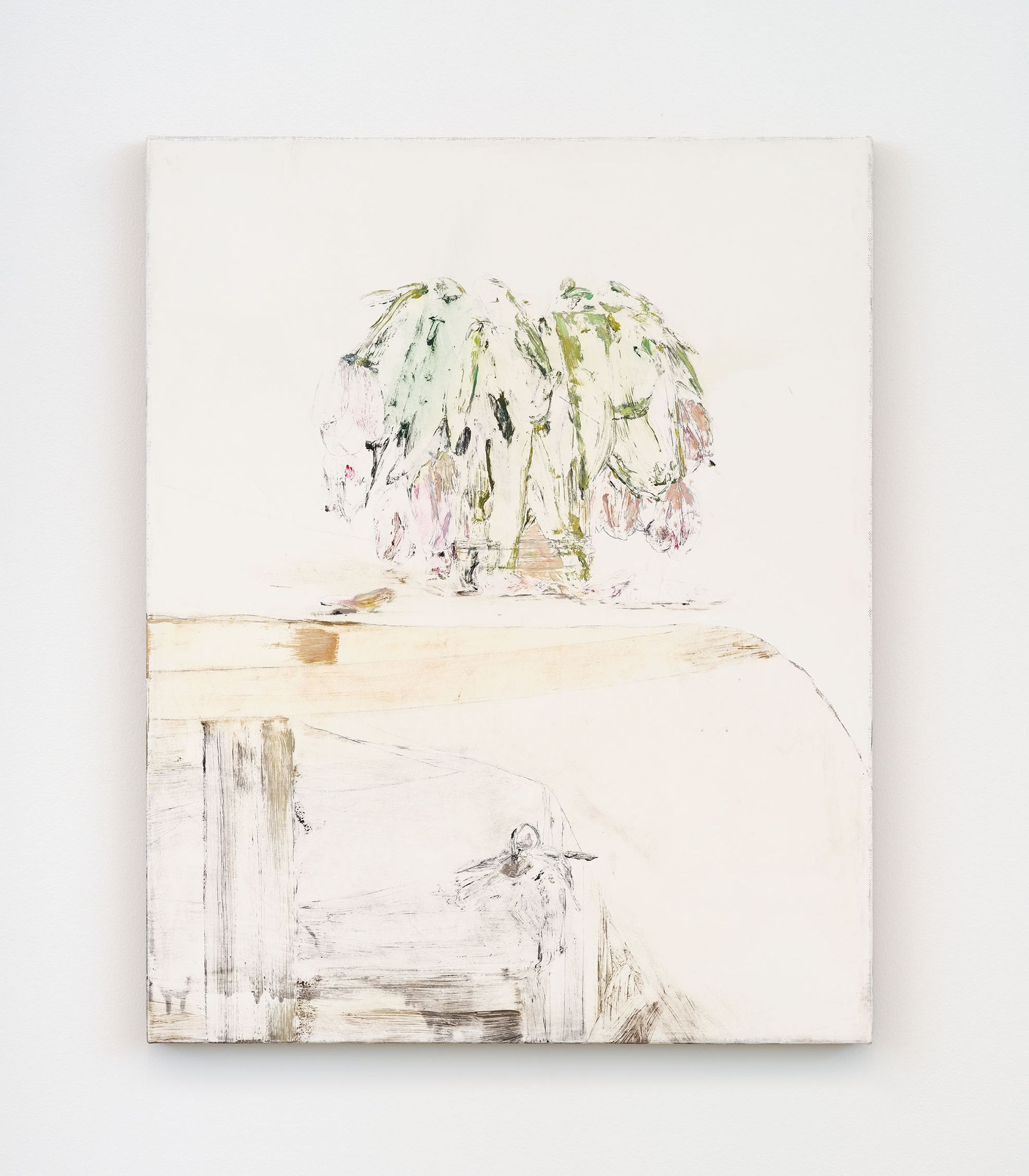
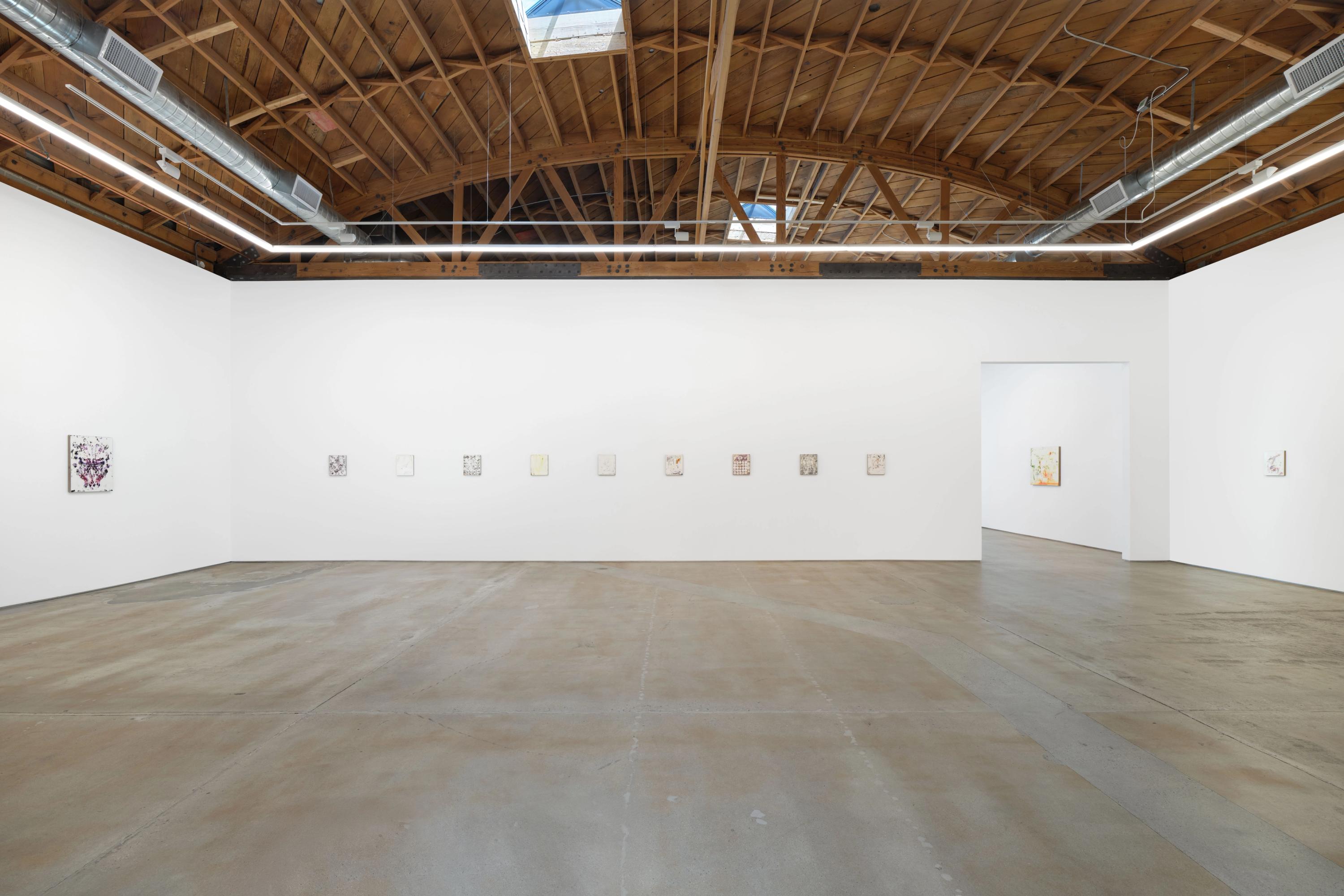
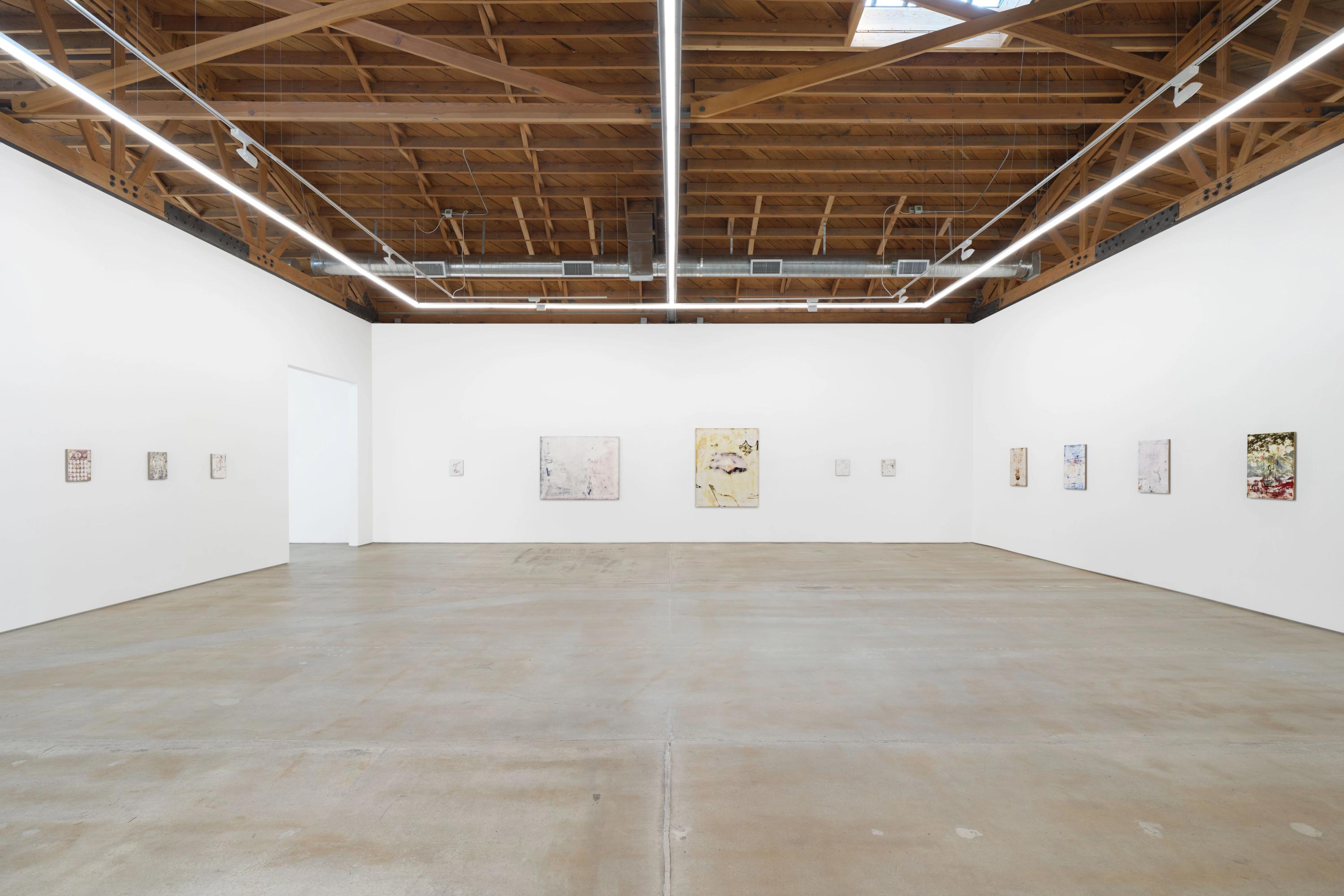
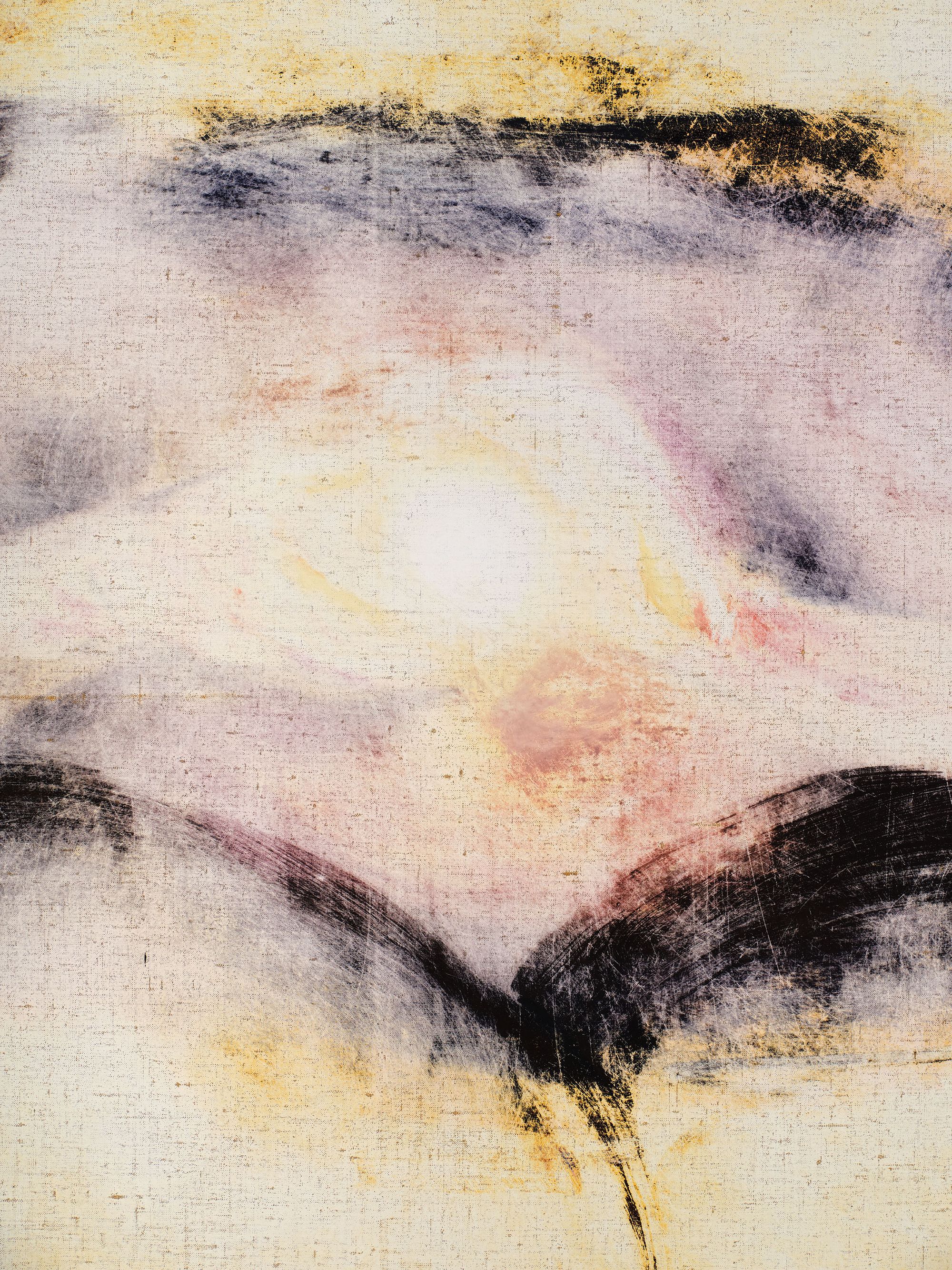
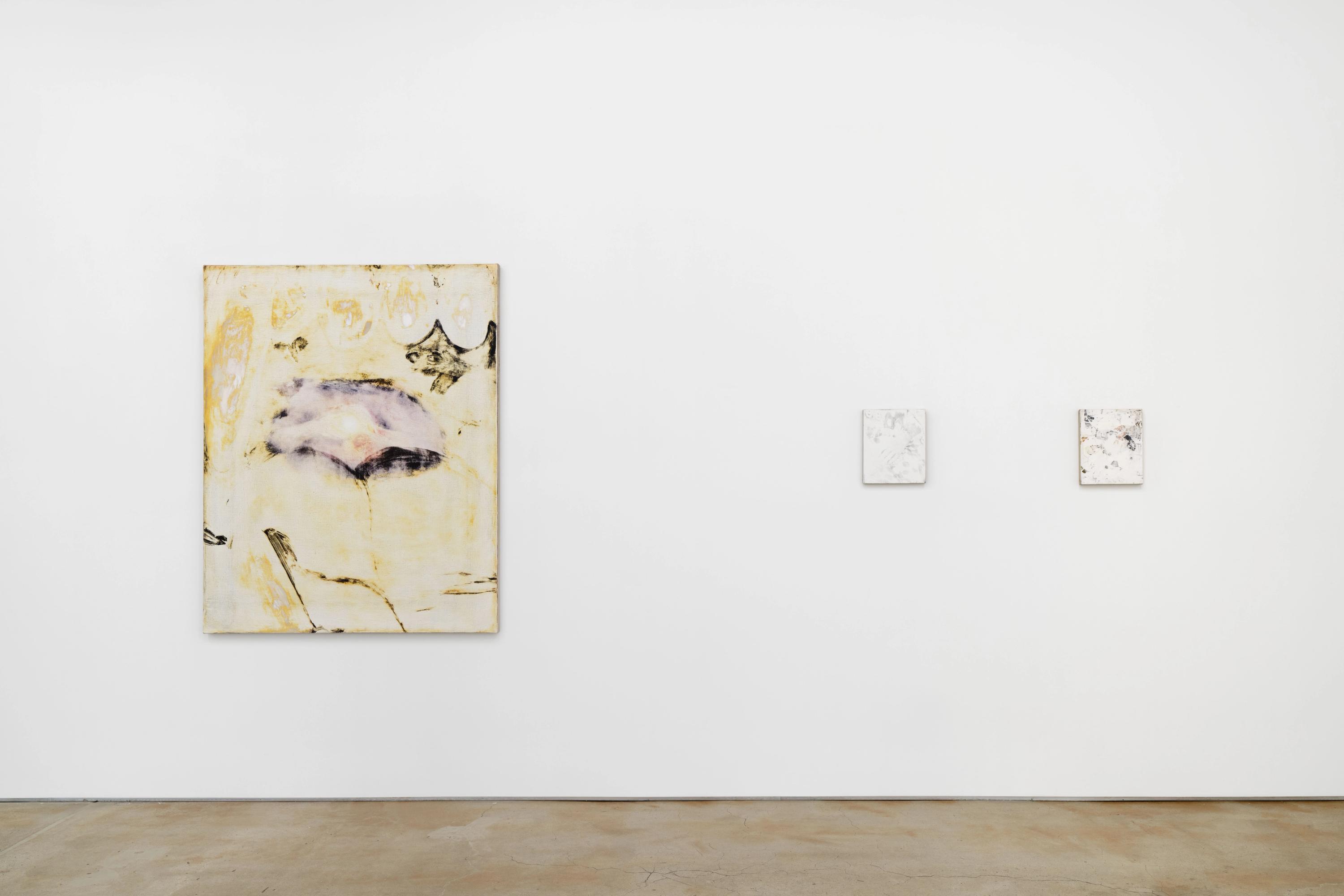
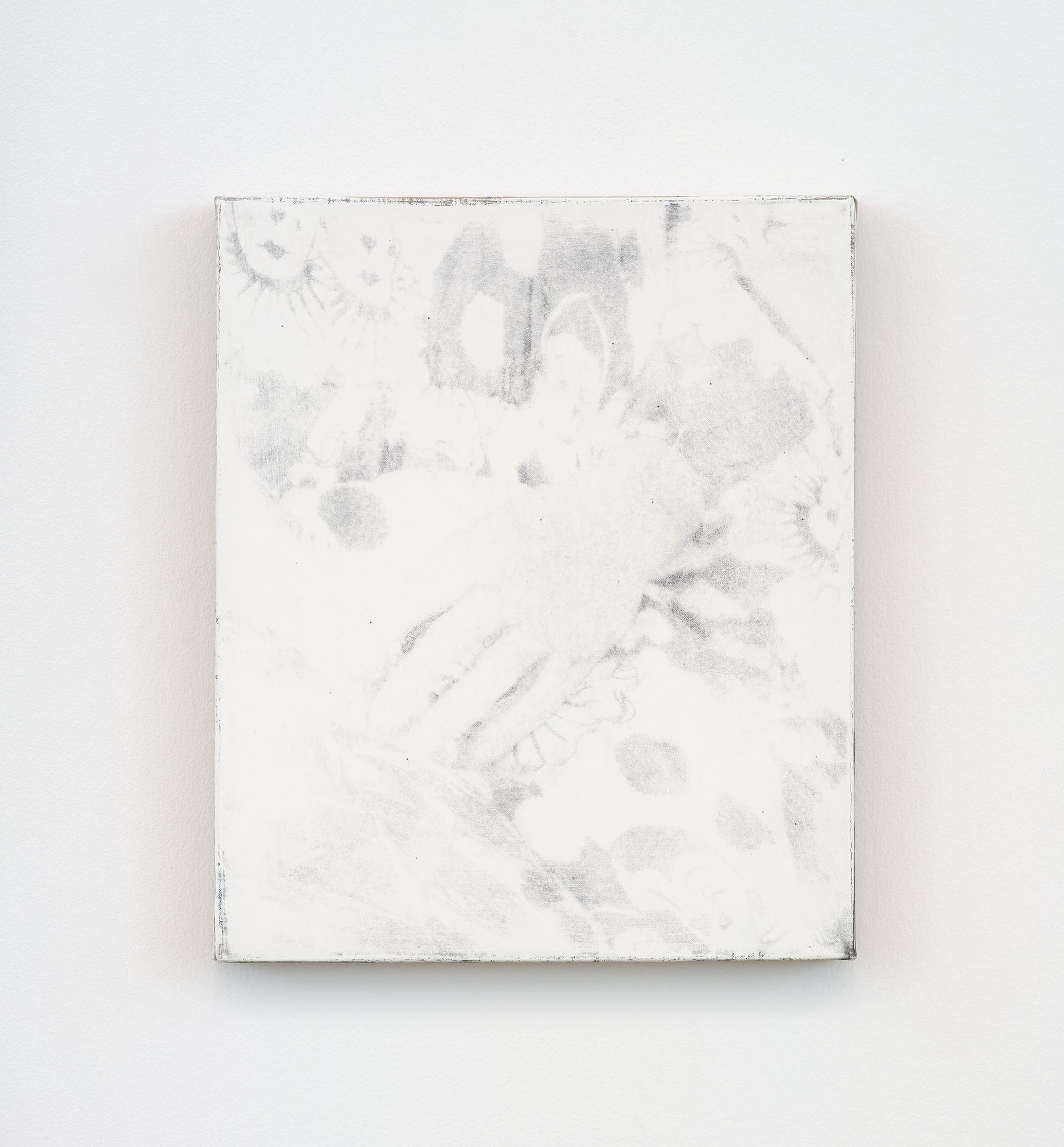
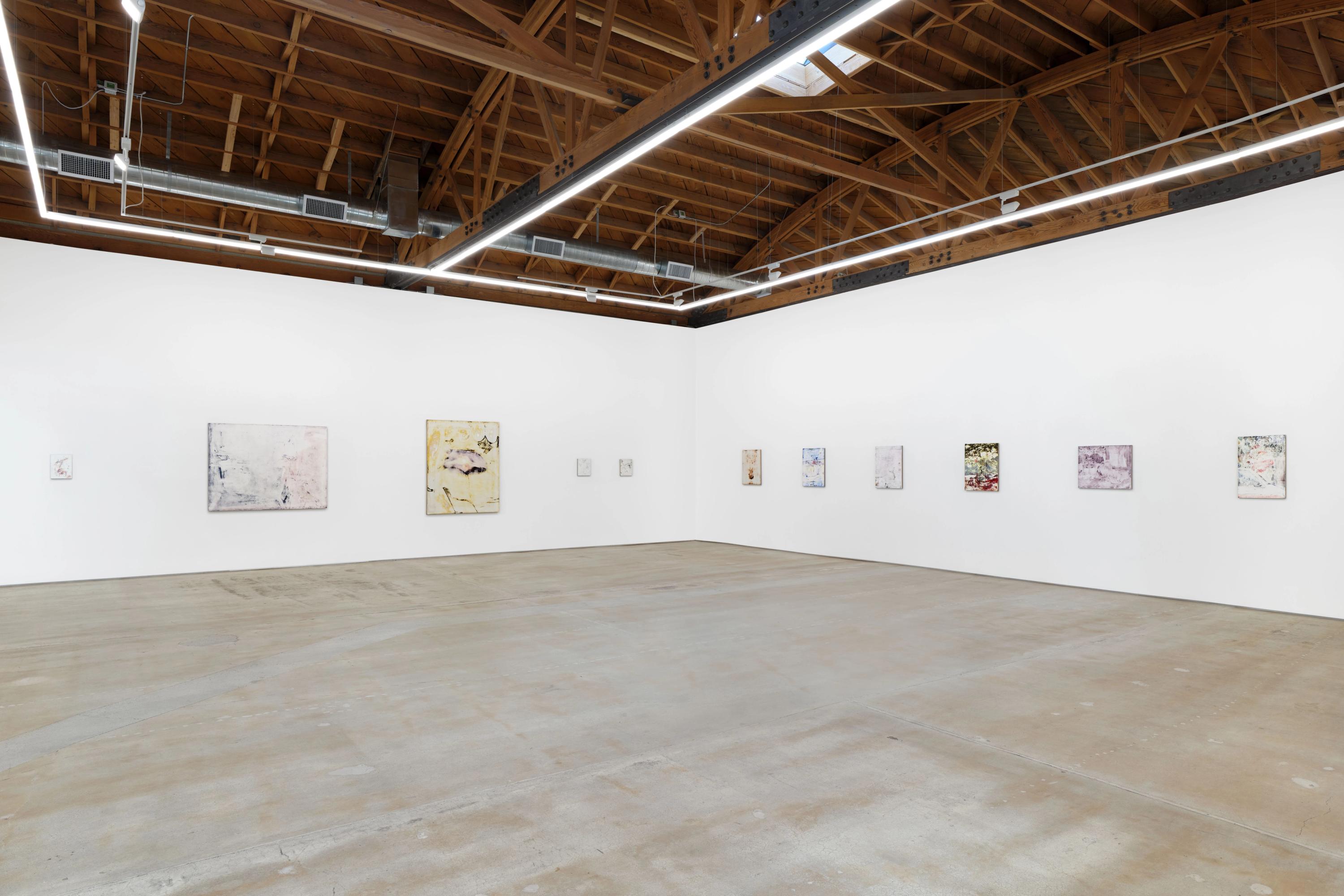
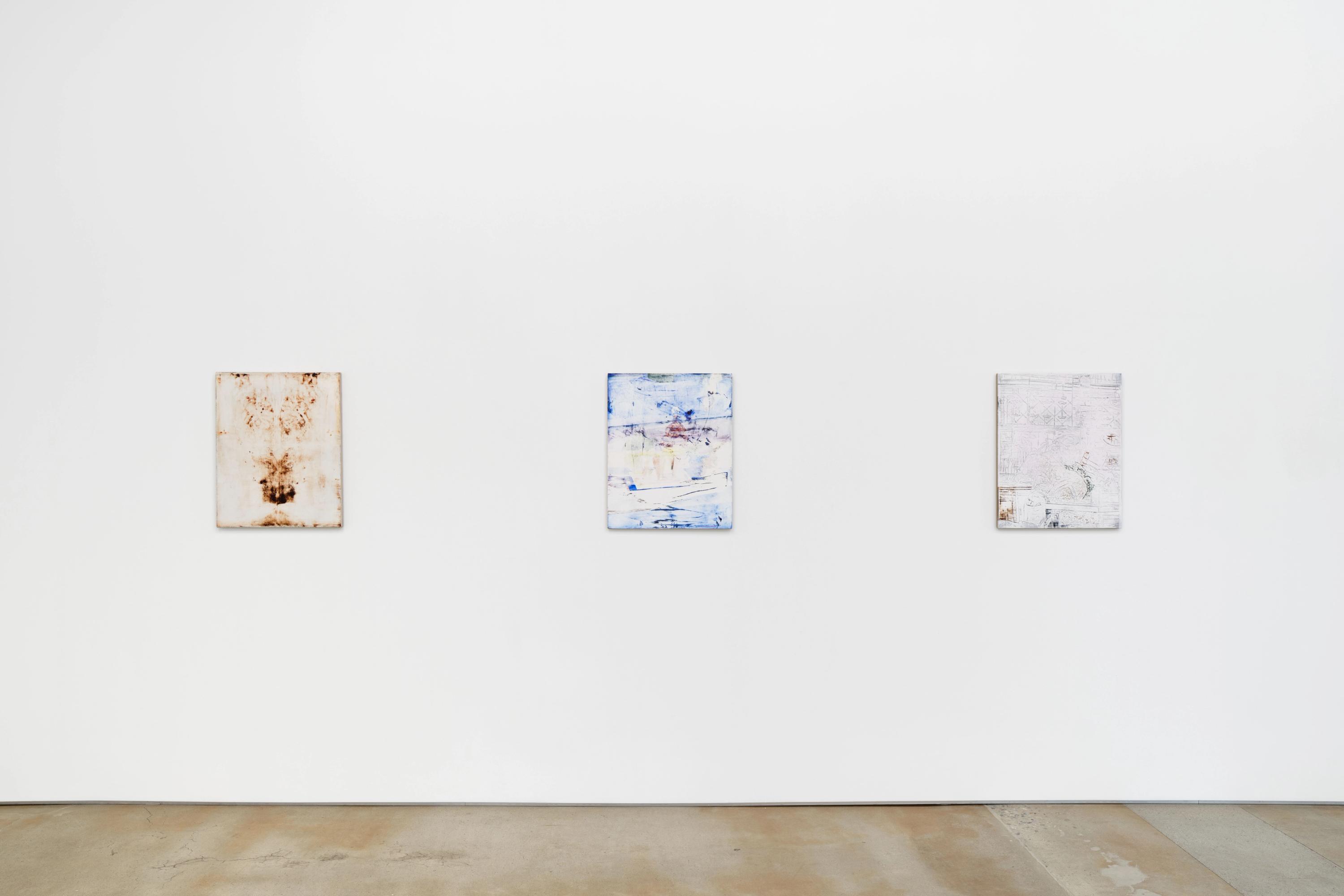
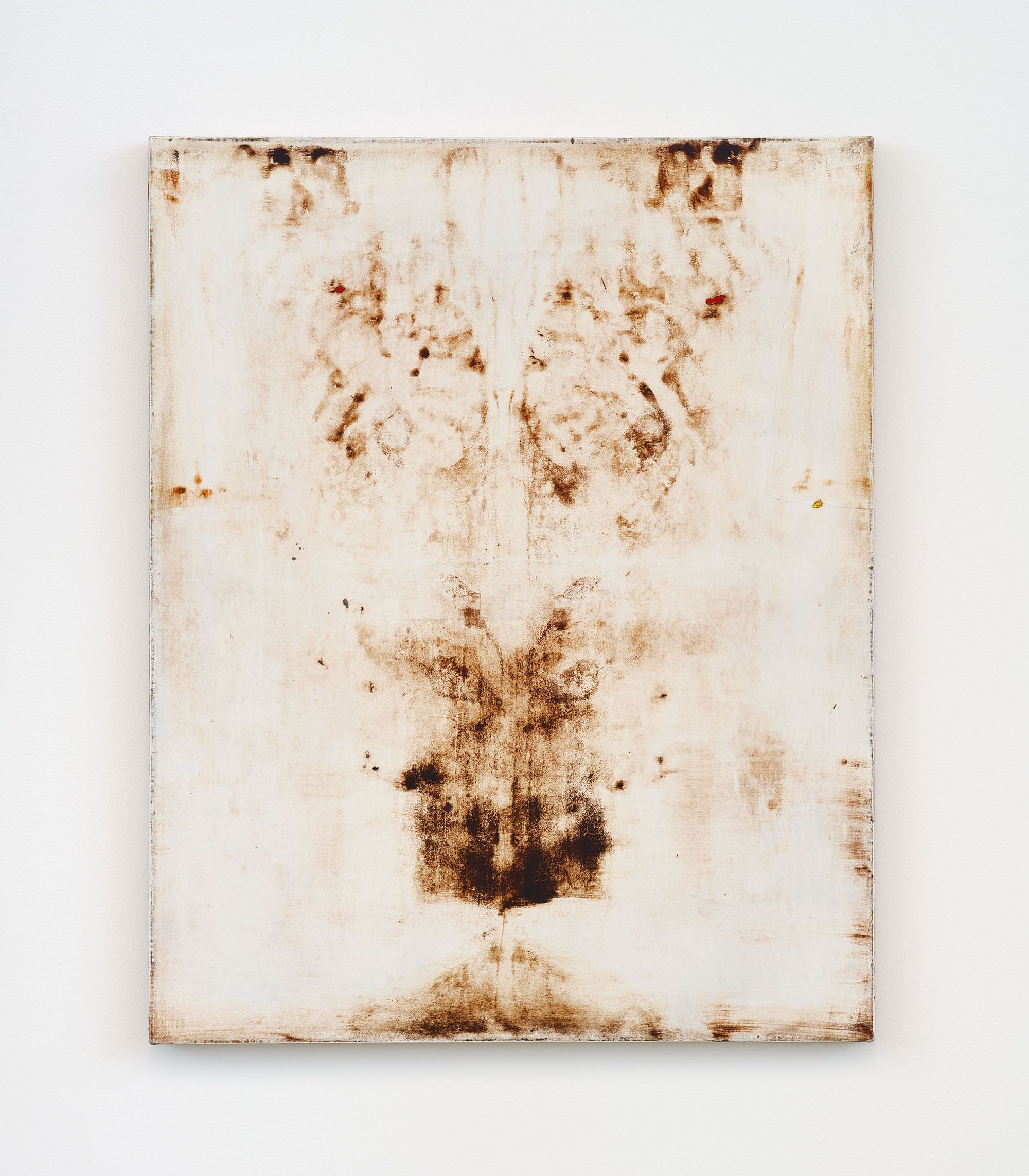
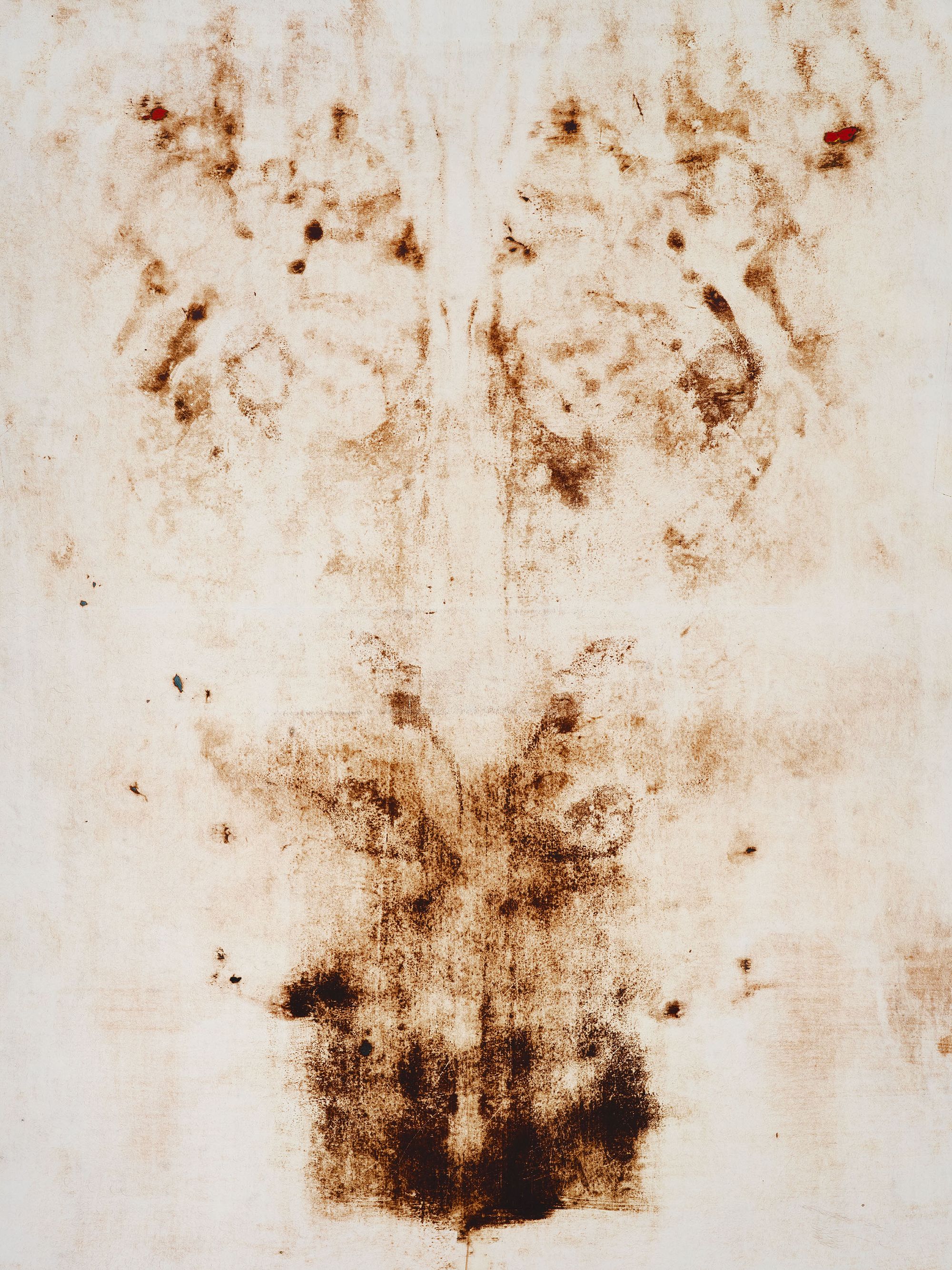
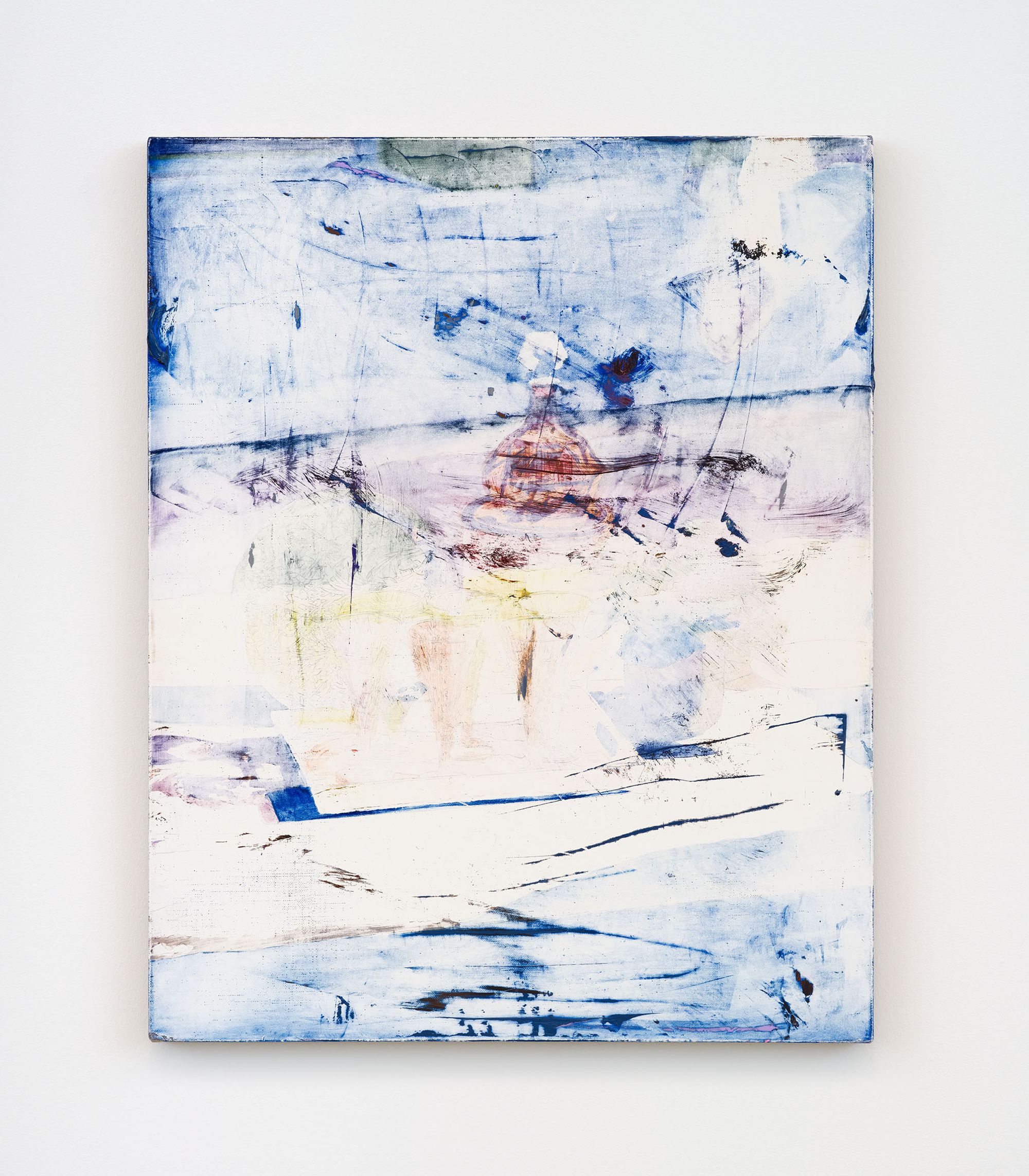
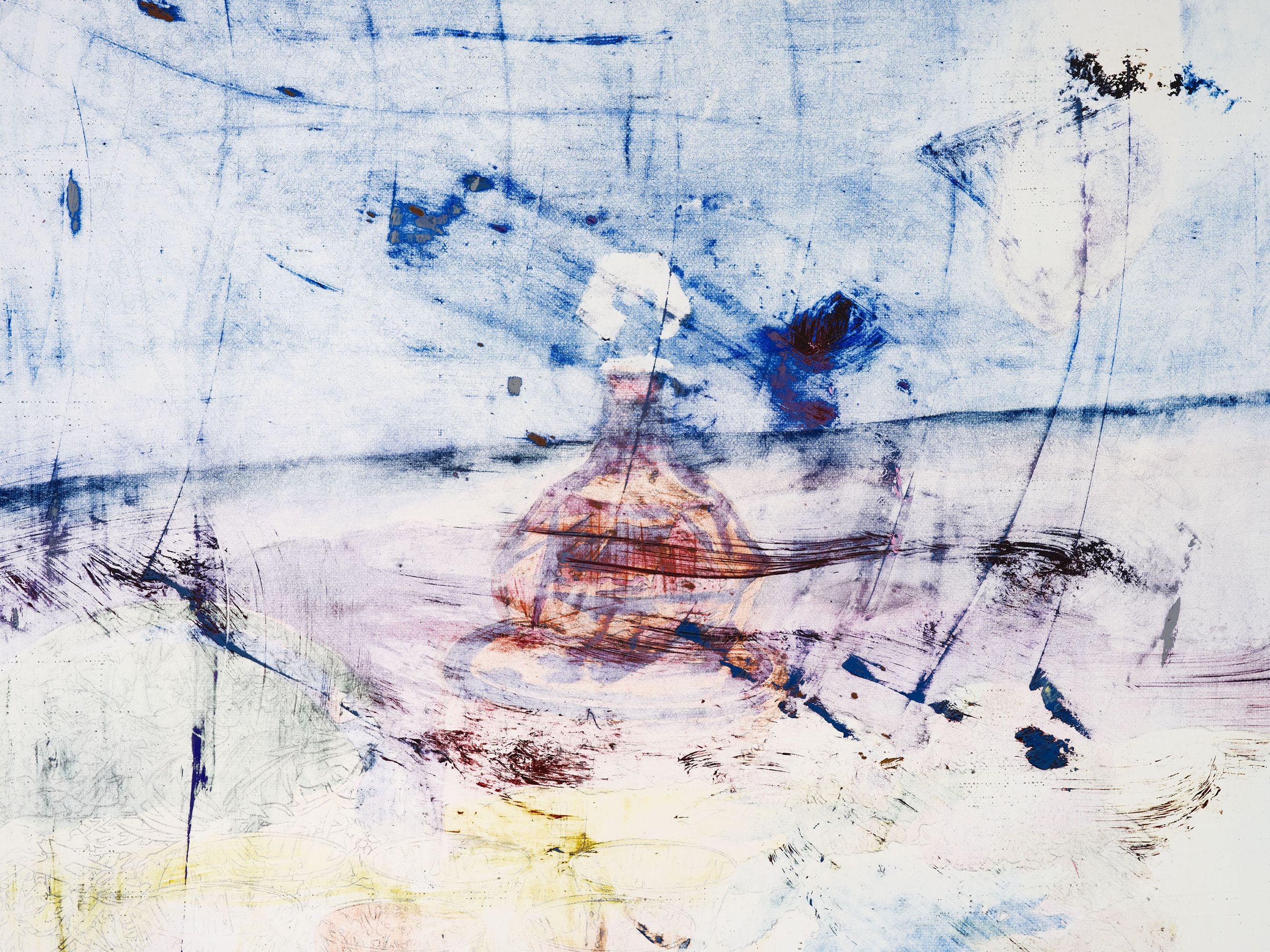
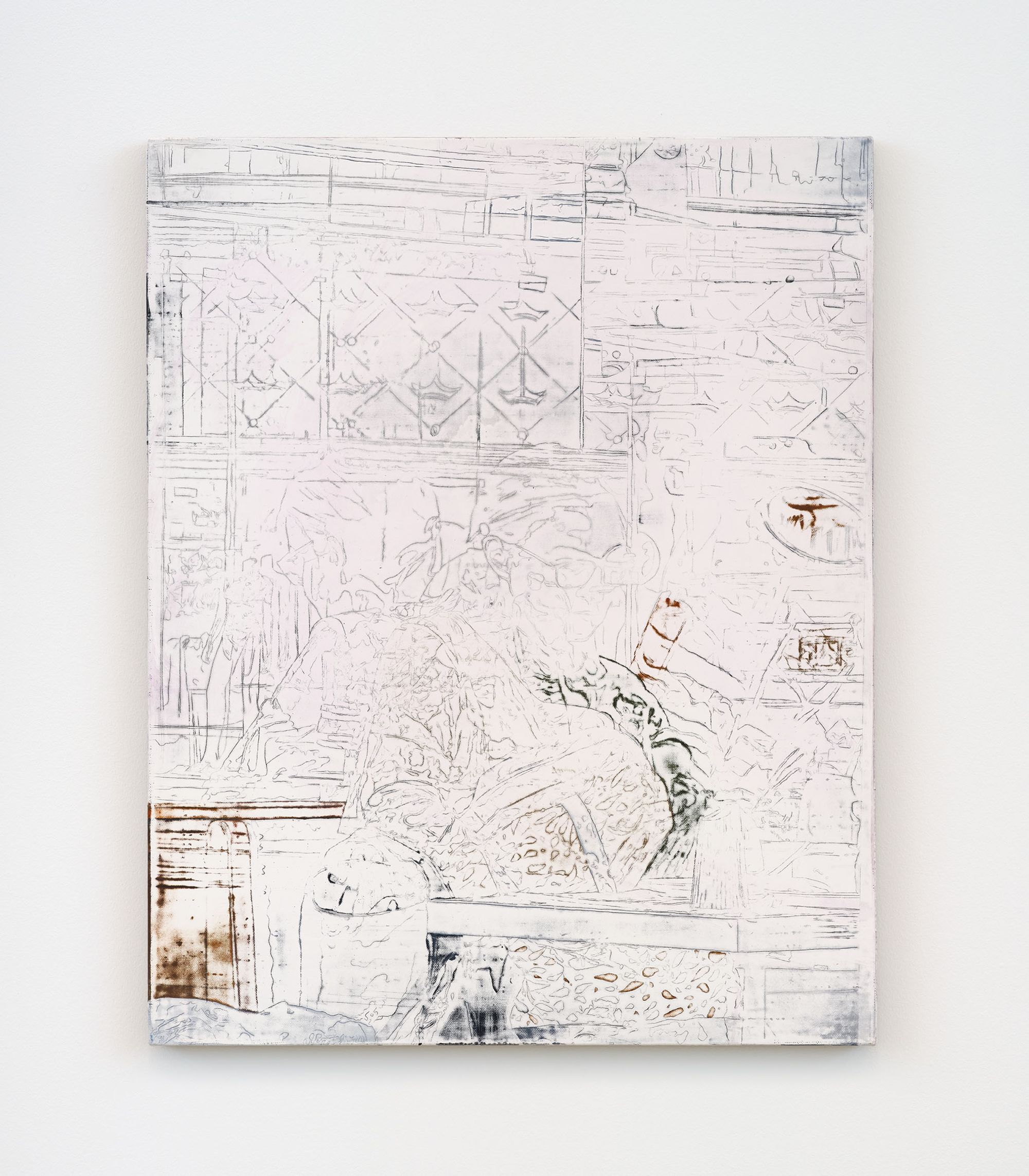
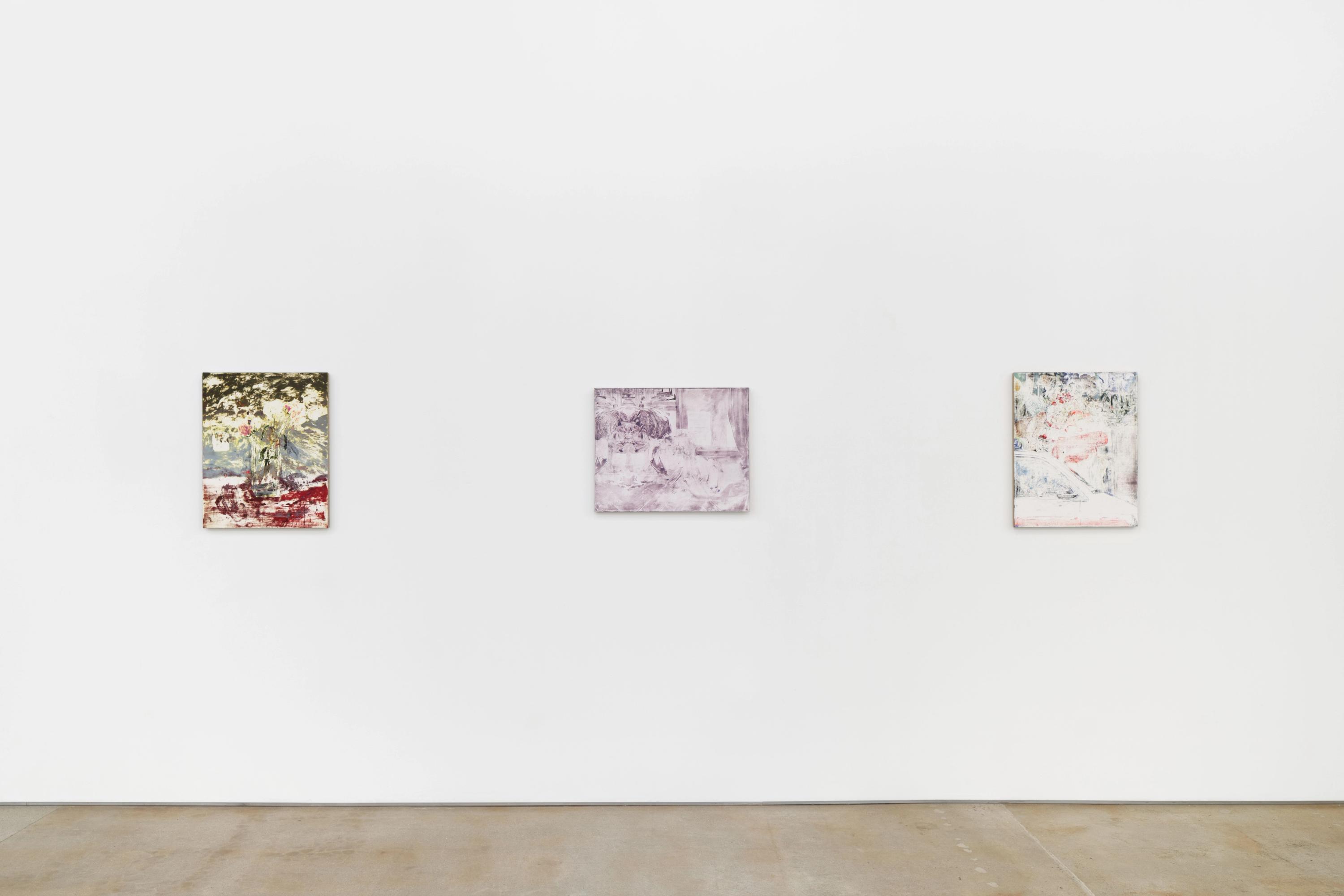
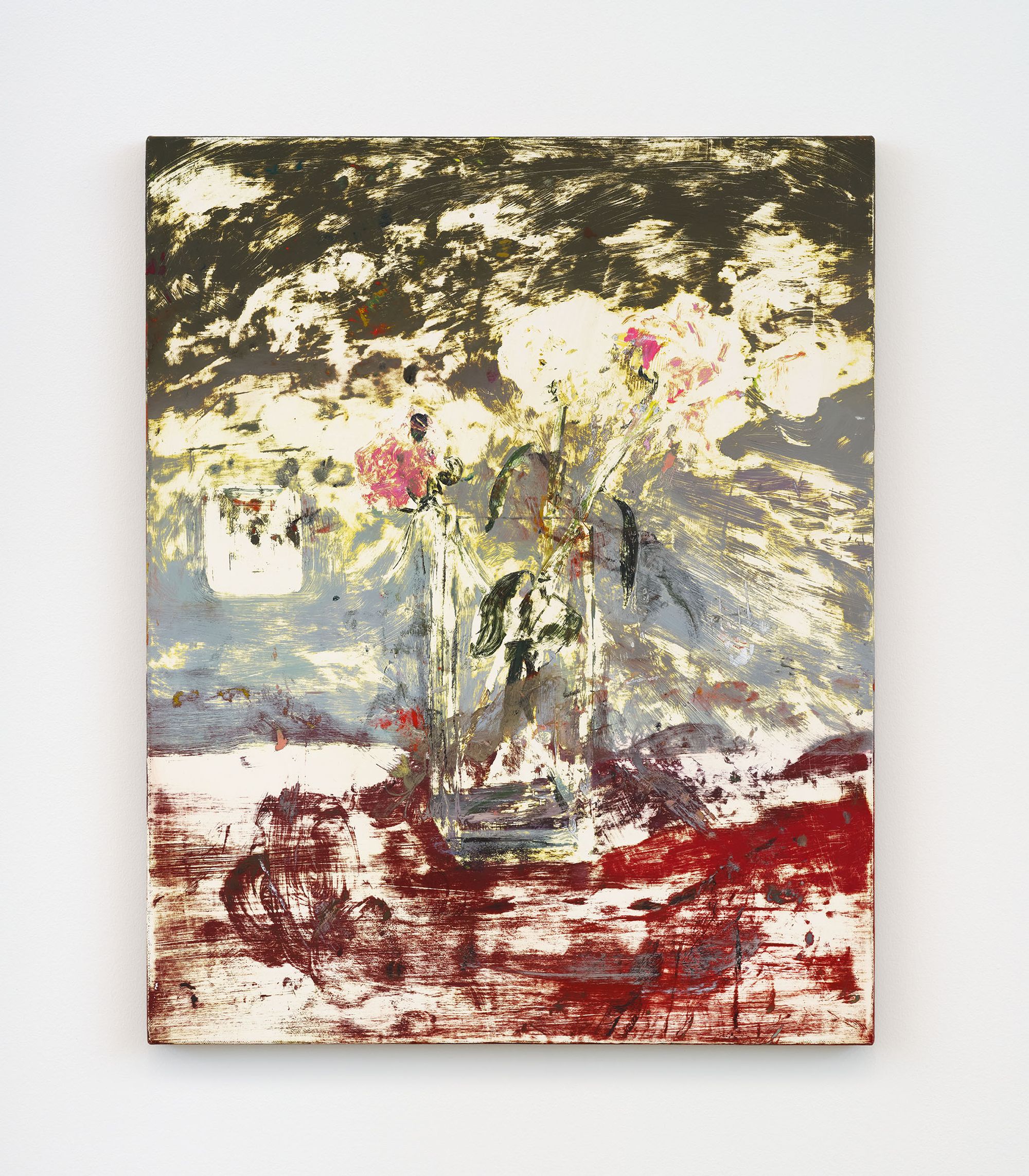
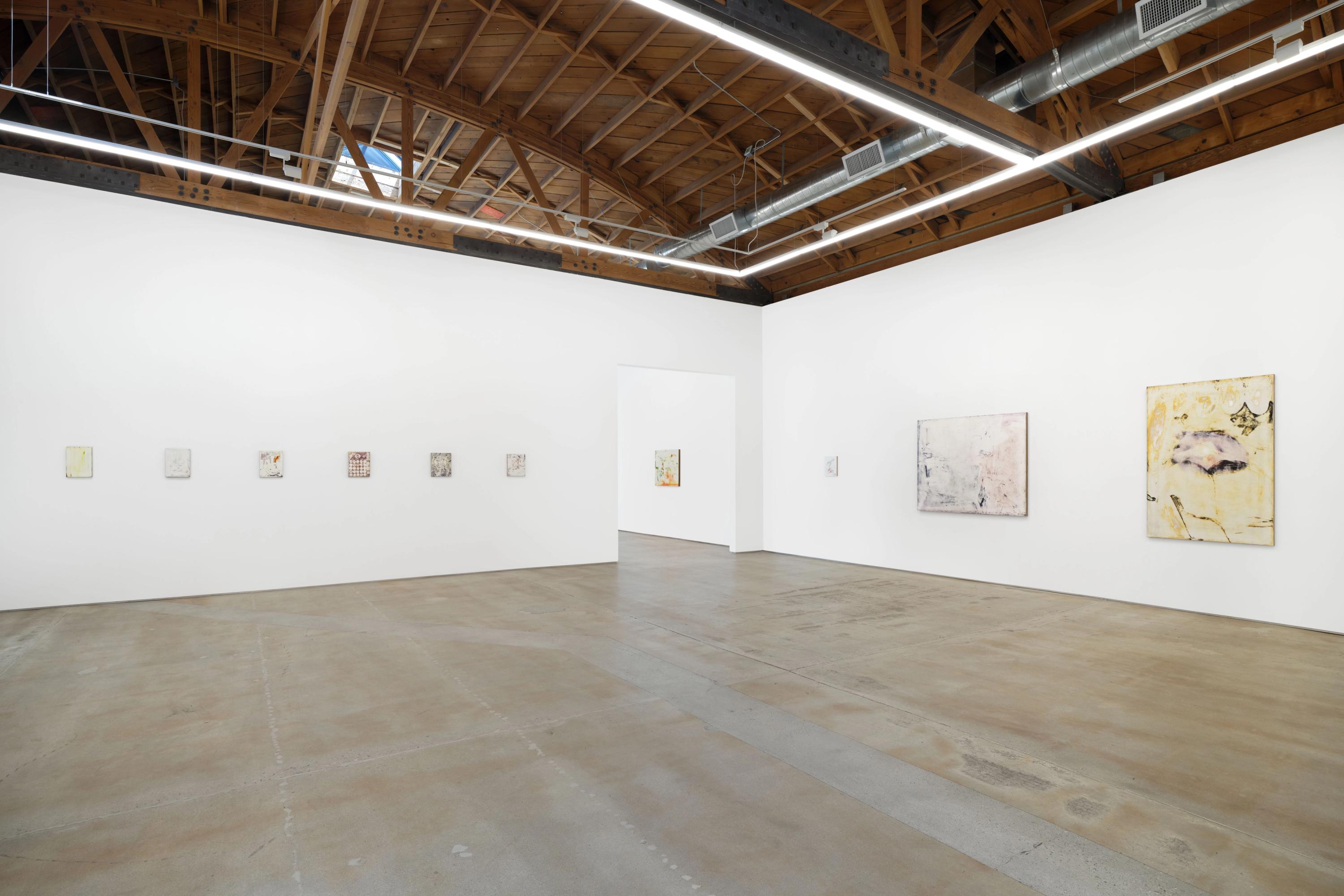
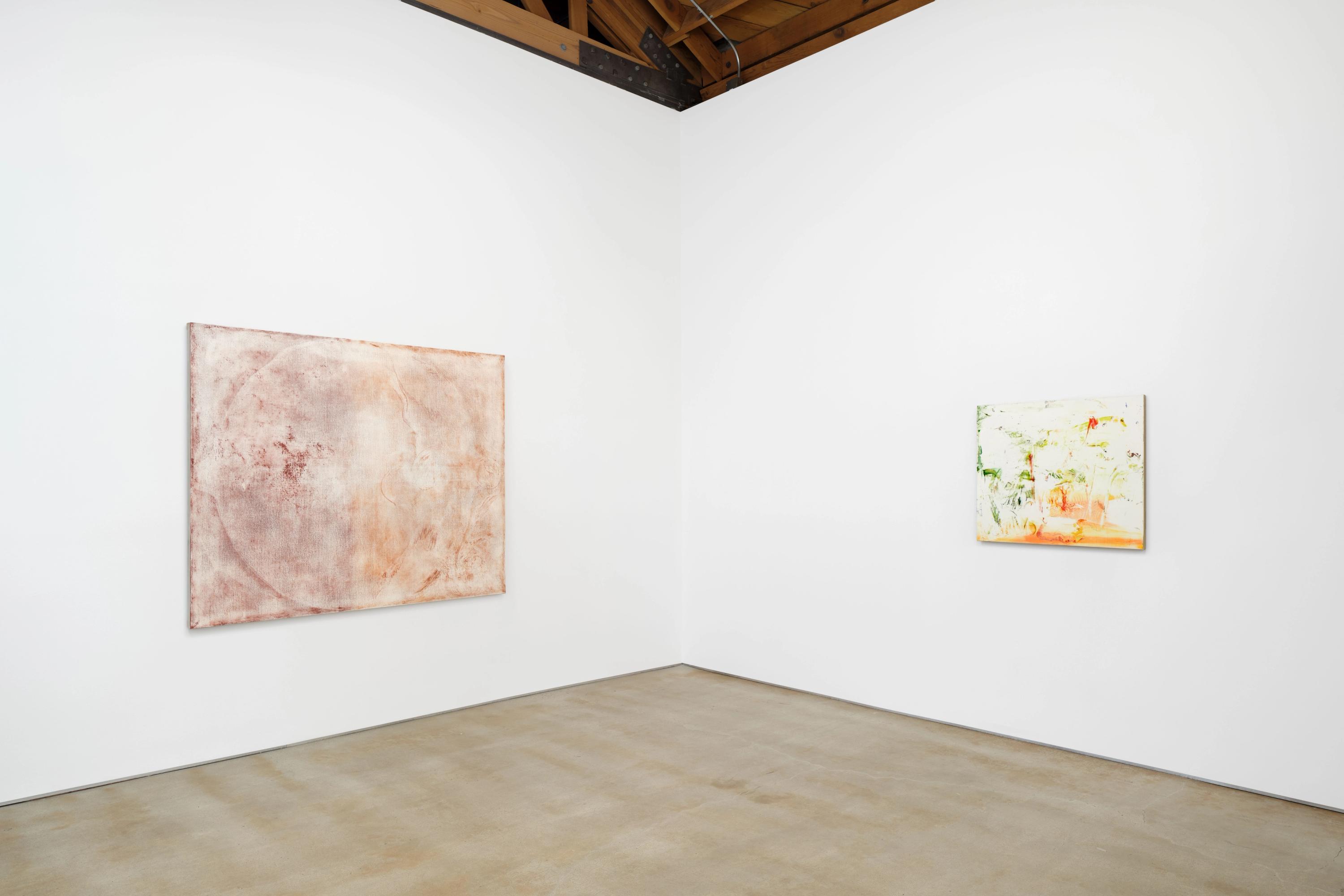
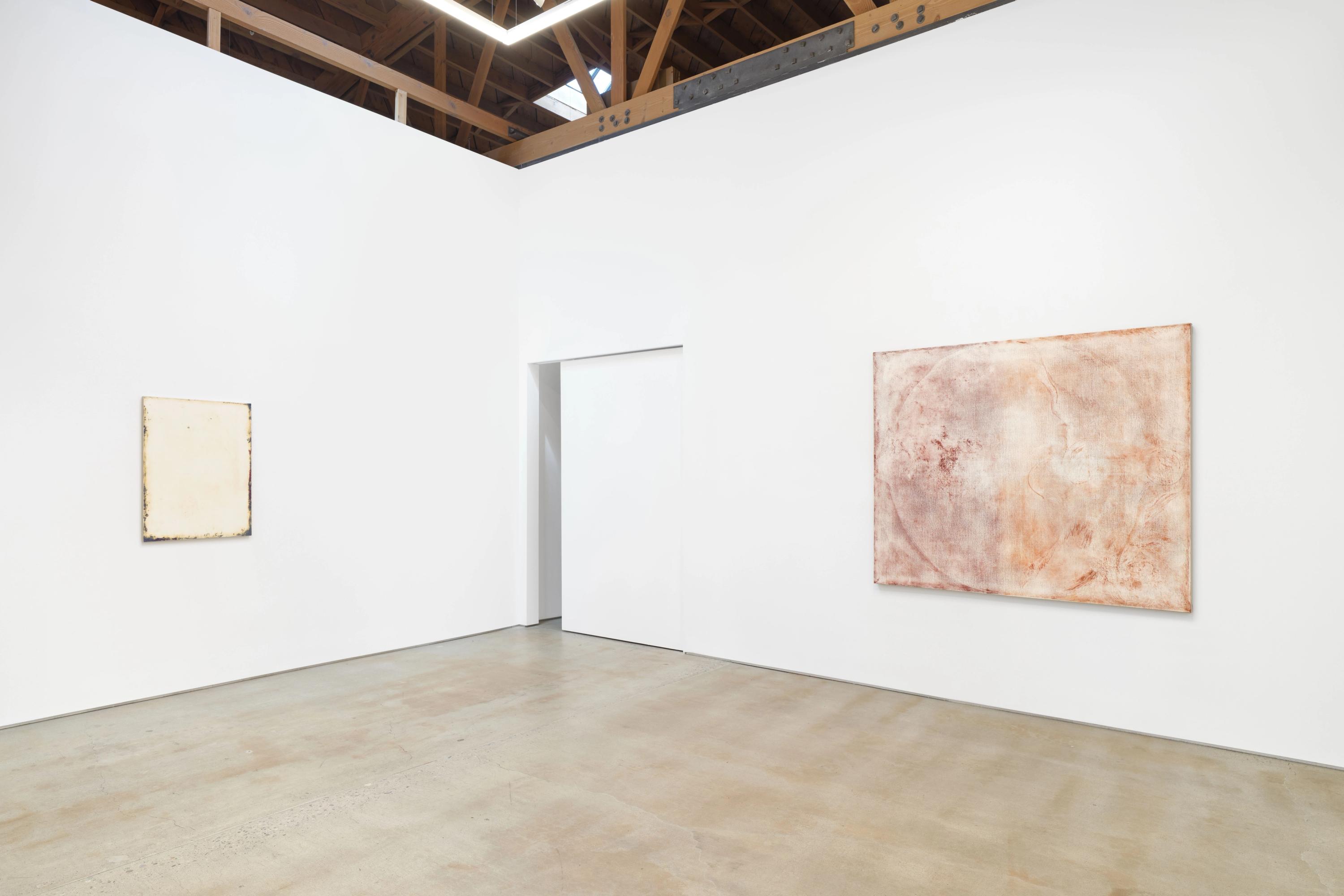
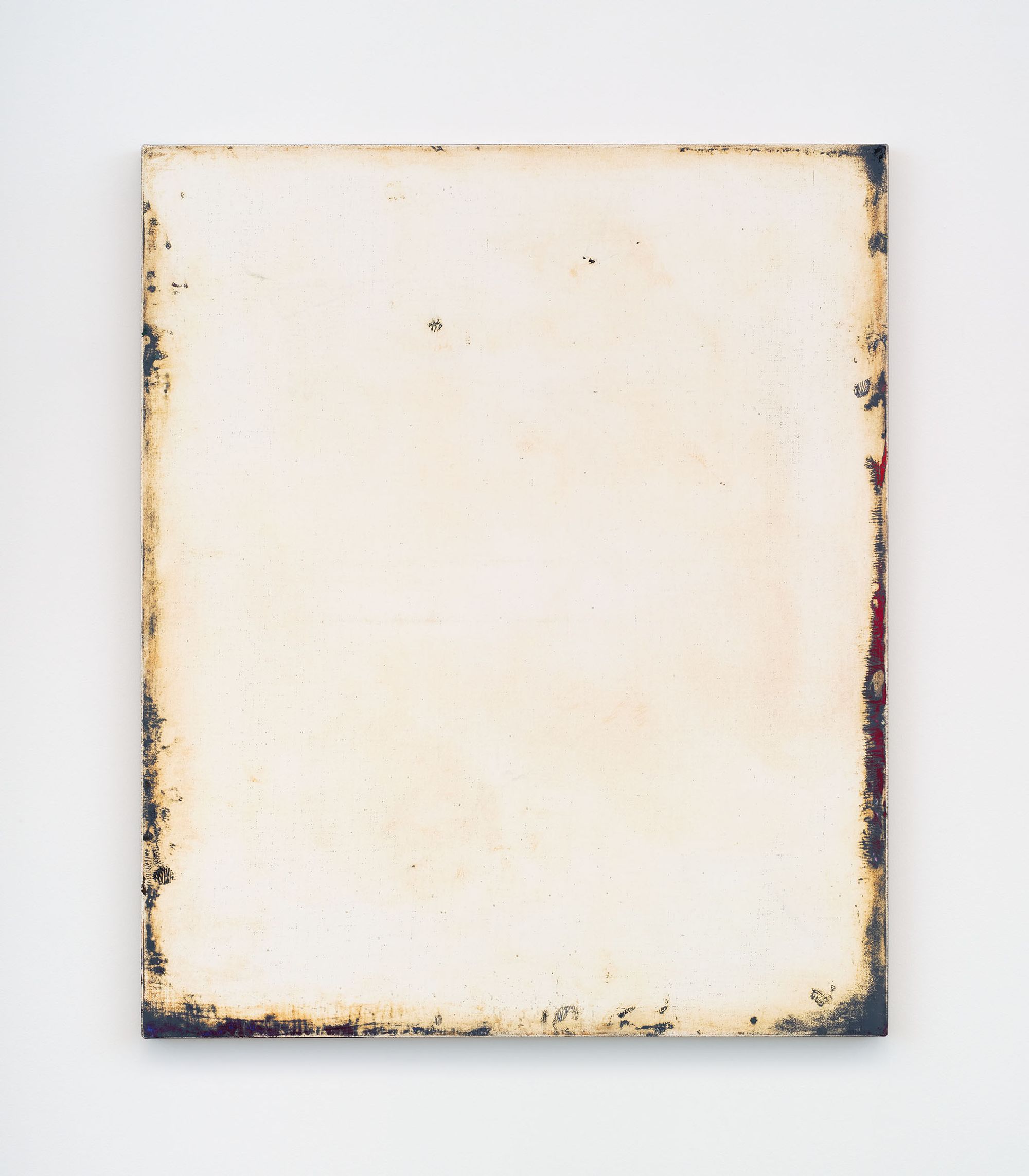
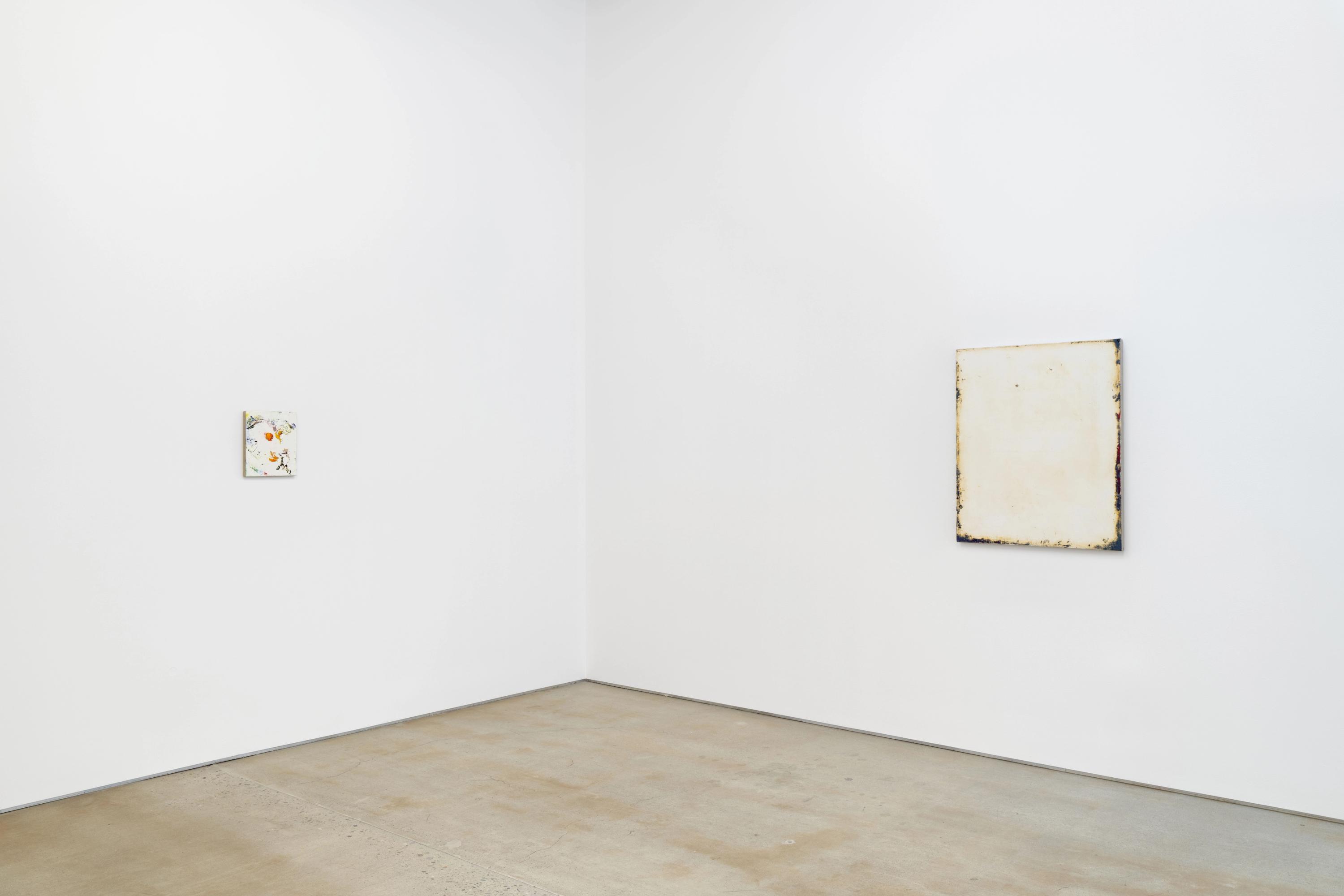
Hanos spent two years, more or less, preparing the paintings that compose this exhibition. Across dozens of canvases, Hanos’ signature eschewing of style was conducted with roaming, dexterous and experimental pictorialism. But once the paintings were ostensibly complete, in March 2026, Hanos suddenly, extempore, chose to efface them all, taking solvents to their surfaces and removing layers of material and pictorial matter, completing the paintings through near-total erasure.
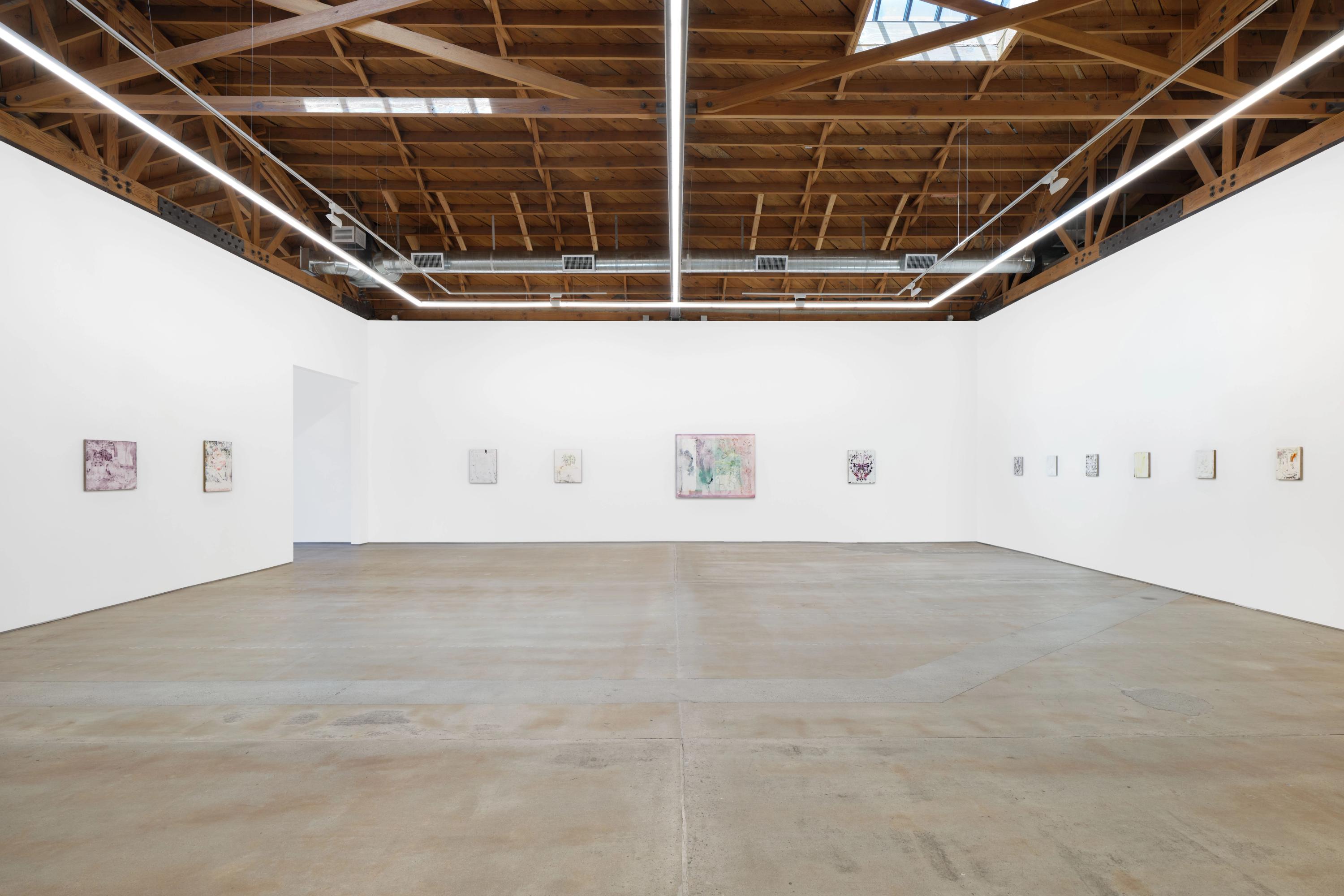
This sudden act of iconoclasm–or ‘image-breaking’–can be understood in reaction to both personal and political concerns harbored by the artist, and where they meet in vexation. For two decades, Hanos has worked against consistency in painterly style, often realizing exhibitions that have the range of multiple authors. At one point, this was a legitimate challenge to the intellectual limits of imposing style upon process and ideas and the accelerating relationship between rigid painterly style and mercenary branding. Hanos, however, is keenly tuned into painting’s position in a larger image apparatus, one that increasingly relies on visual and experiential discombobulation, resulting in incoherence, indirection and the corrosion of meaning. Ultimately, the great unmooring of subjective capacity and access to collectivity.
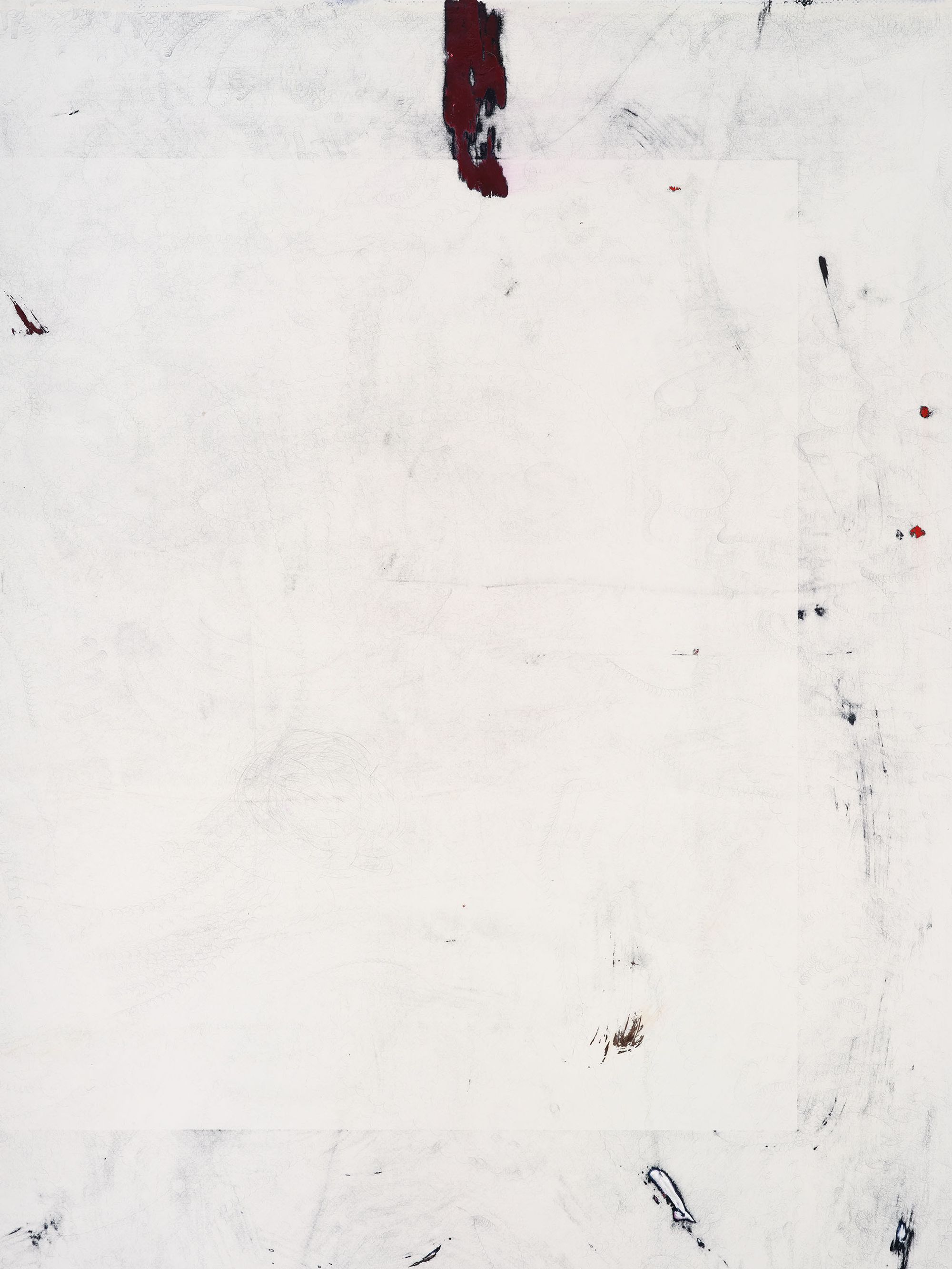
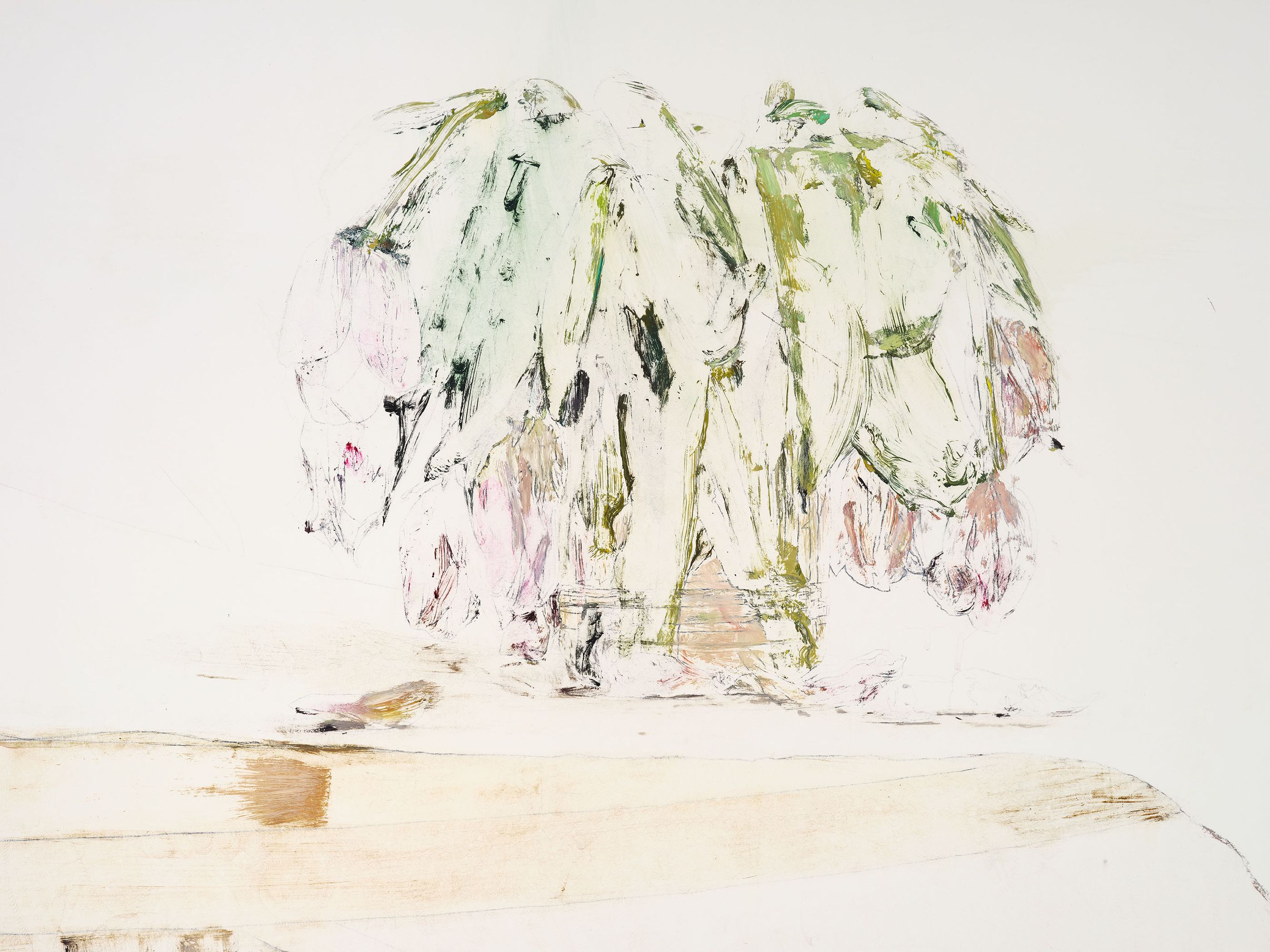
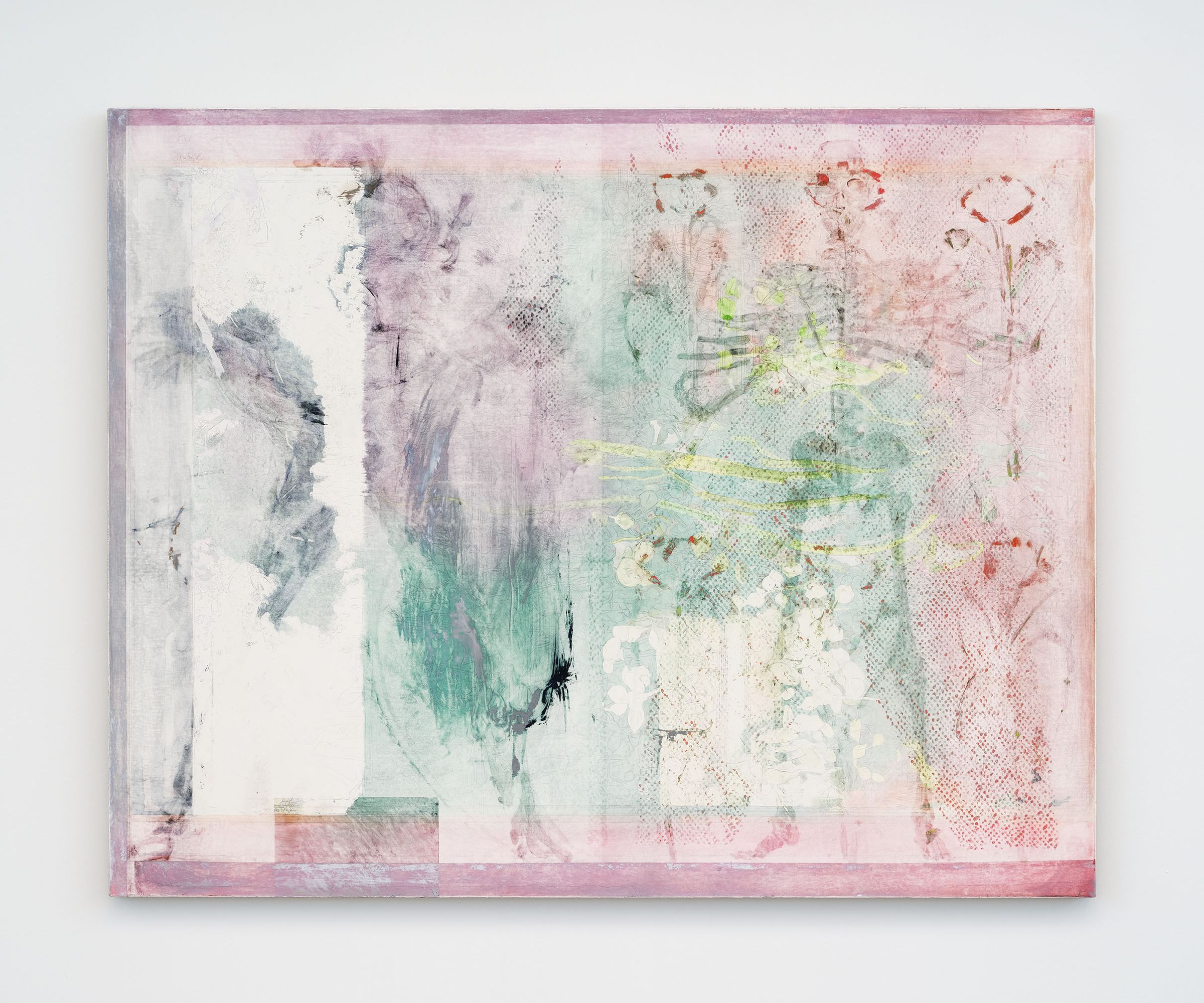
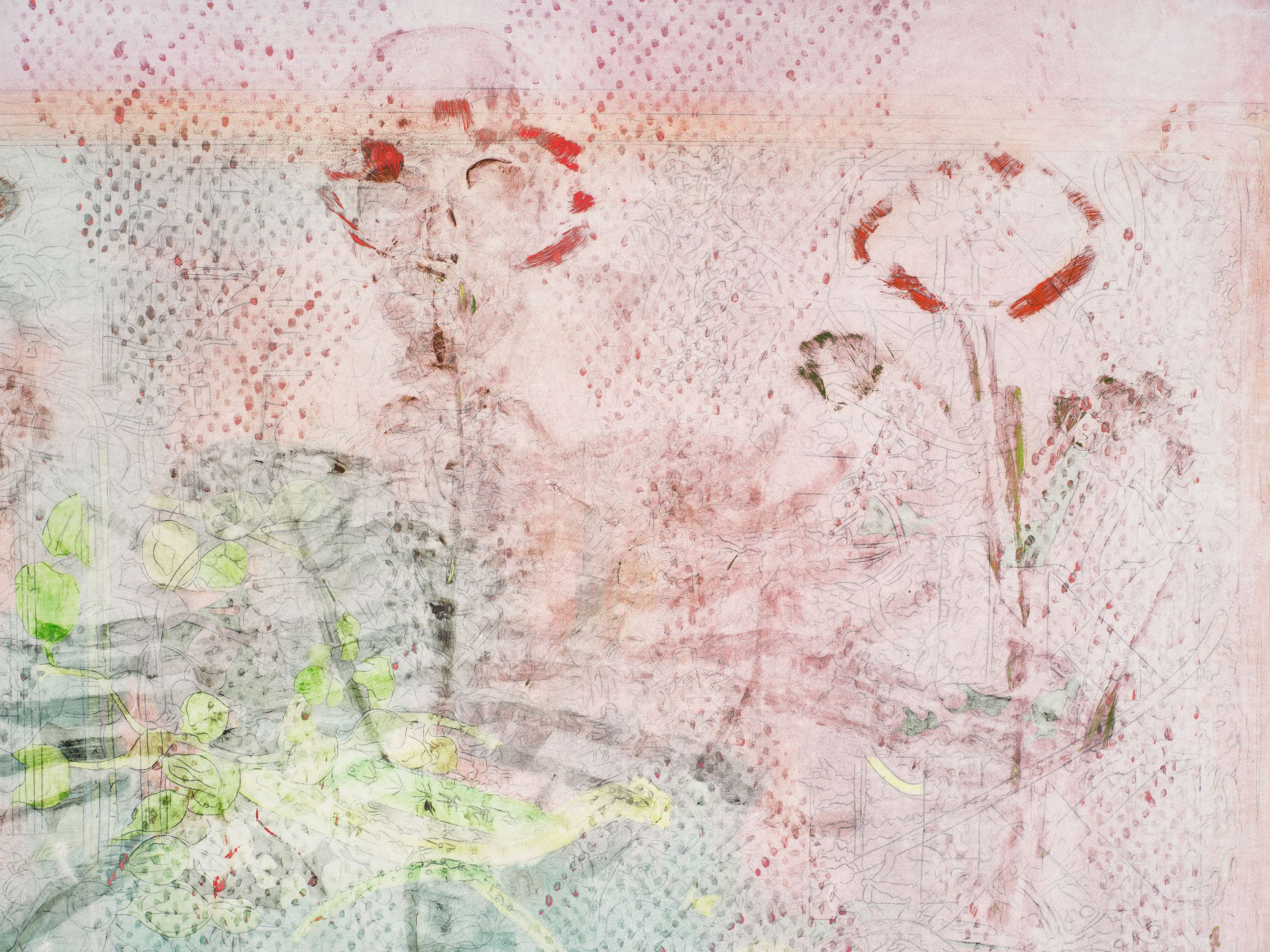
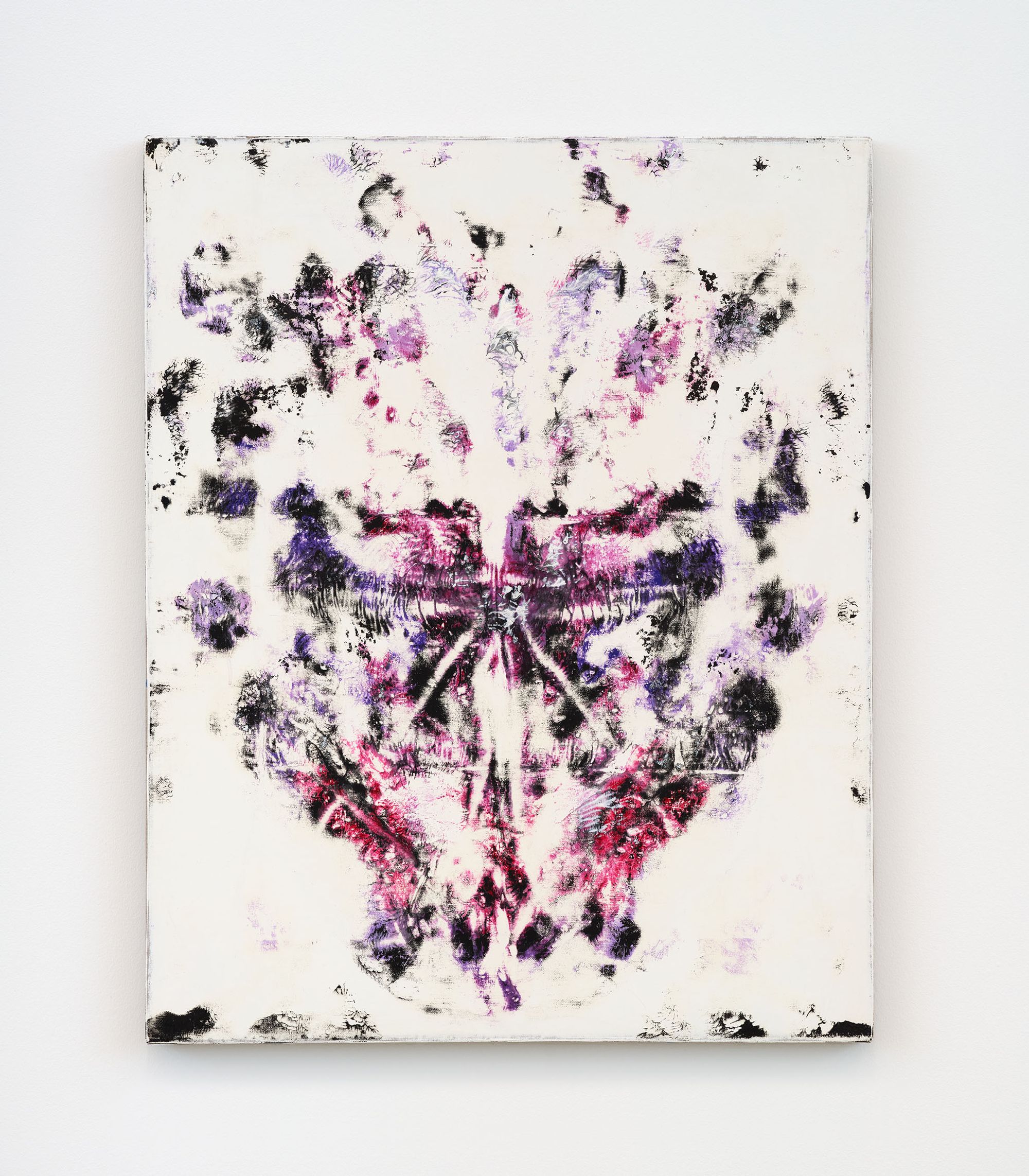
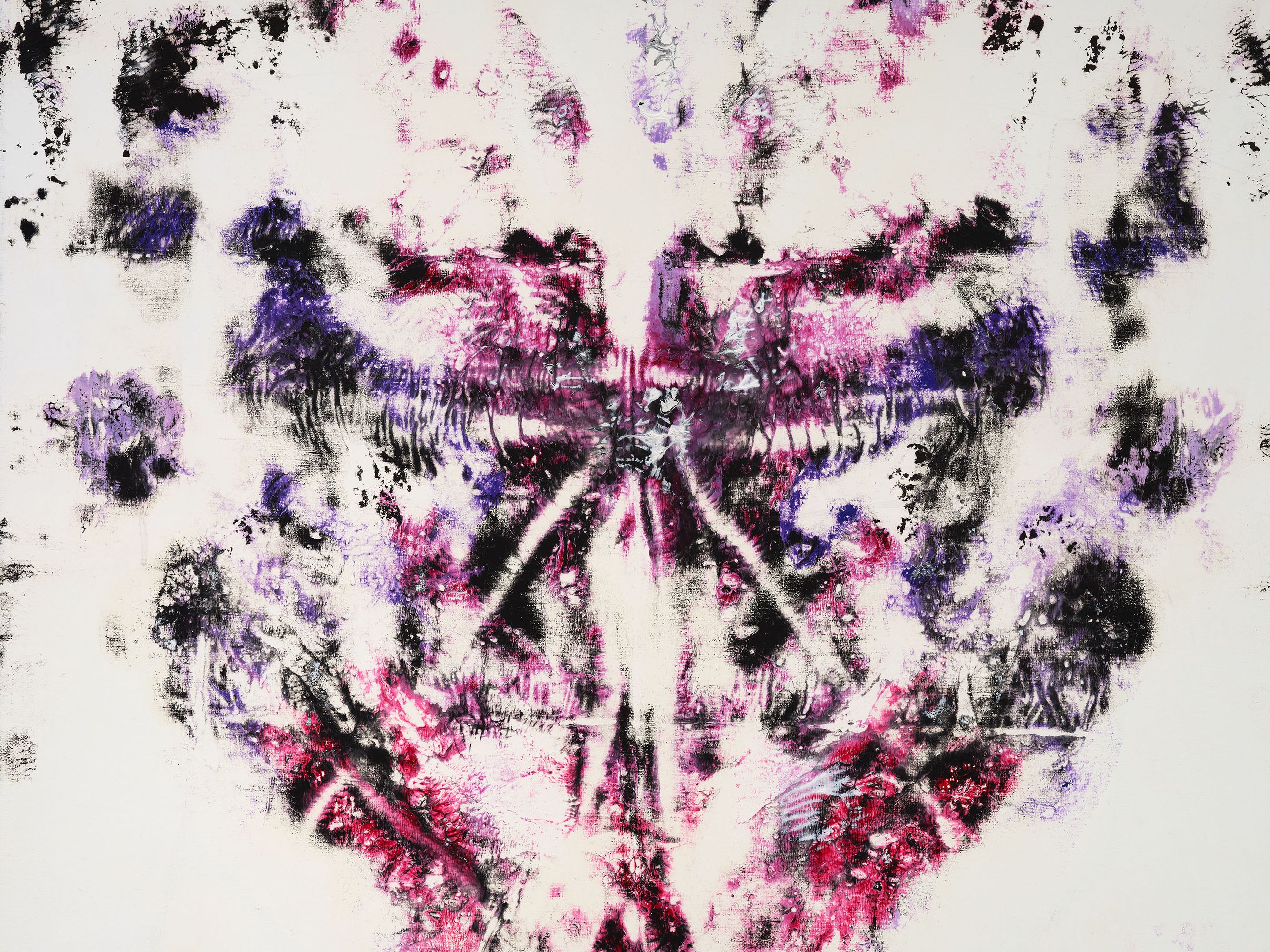
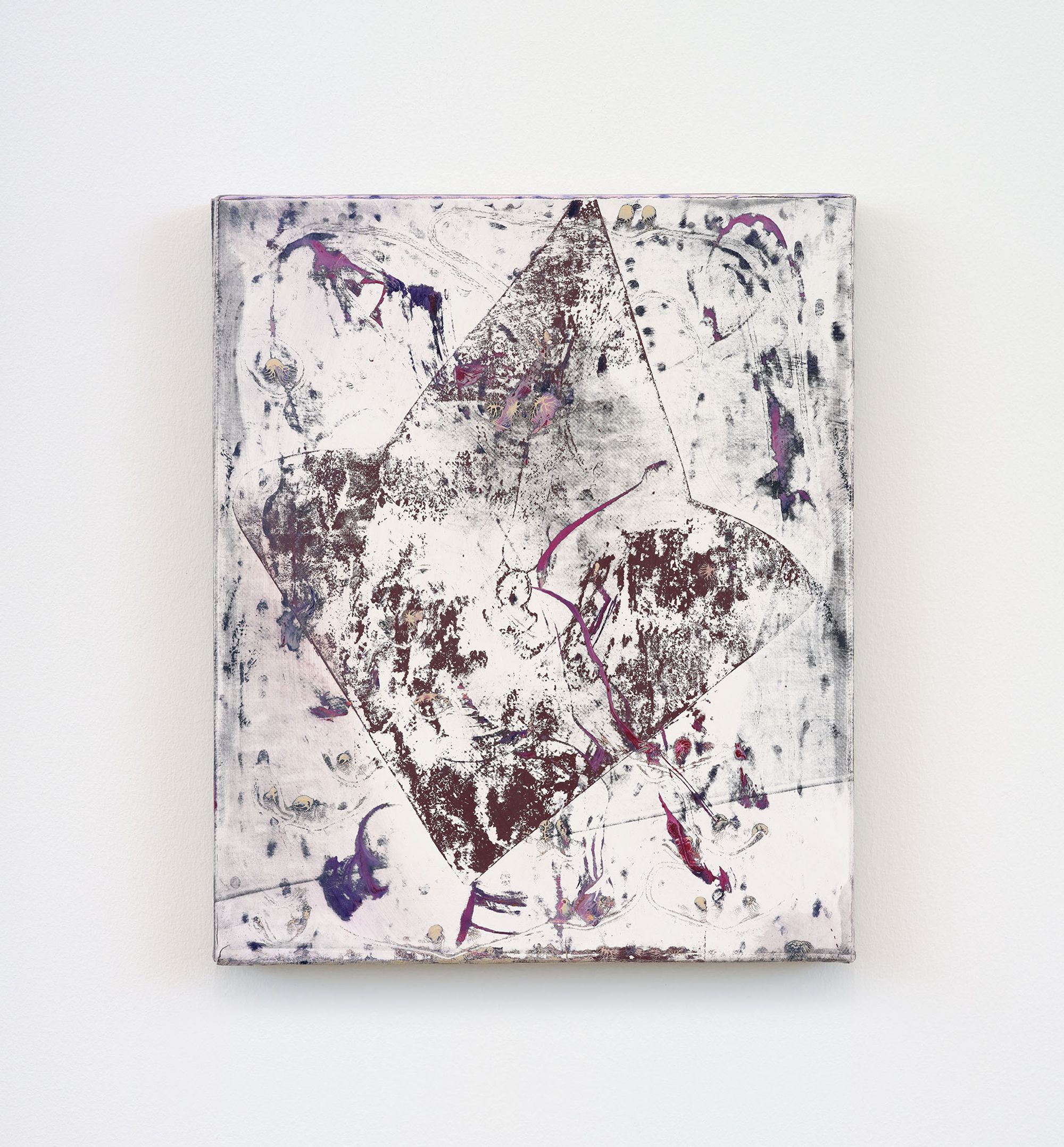
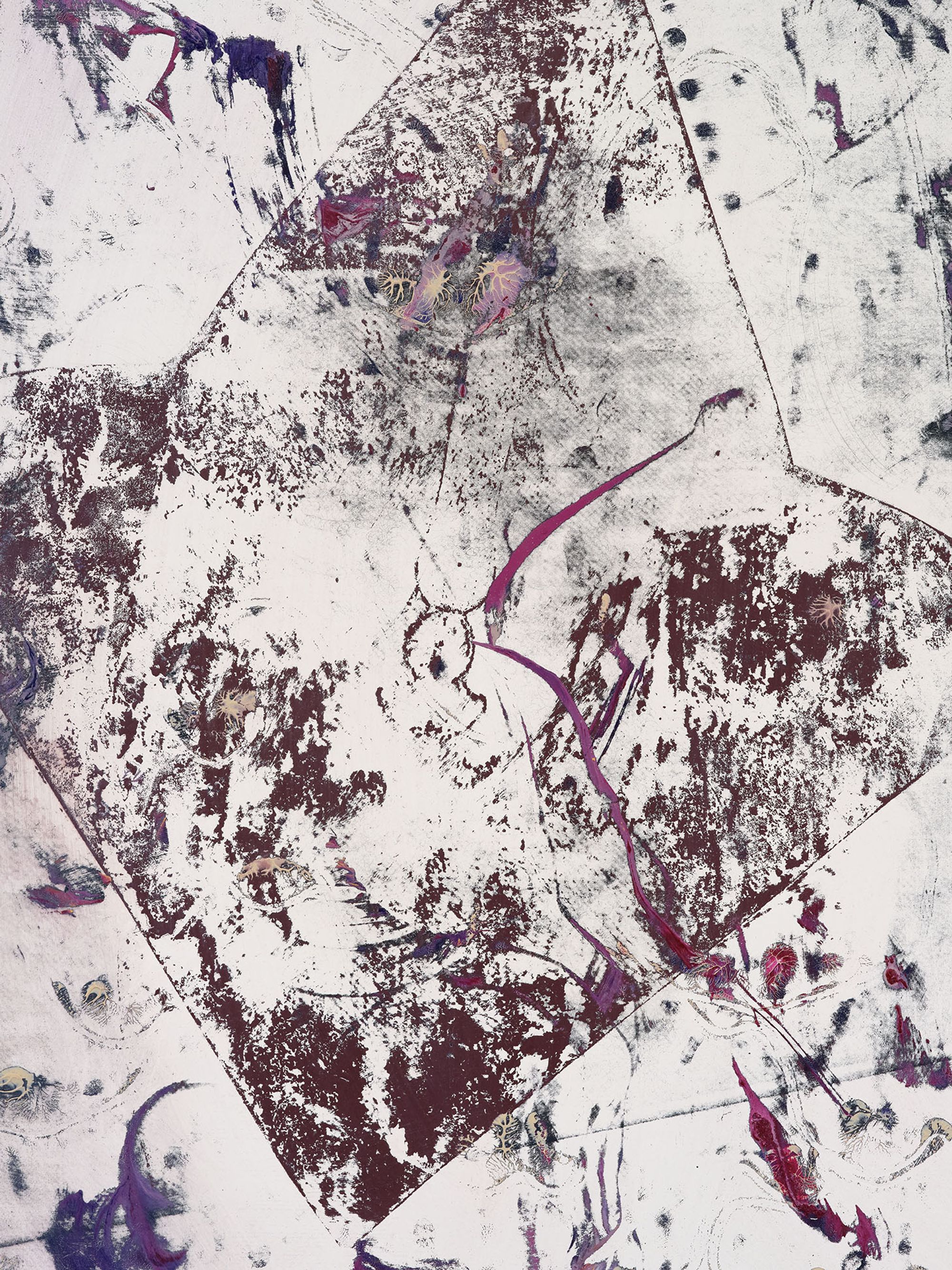
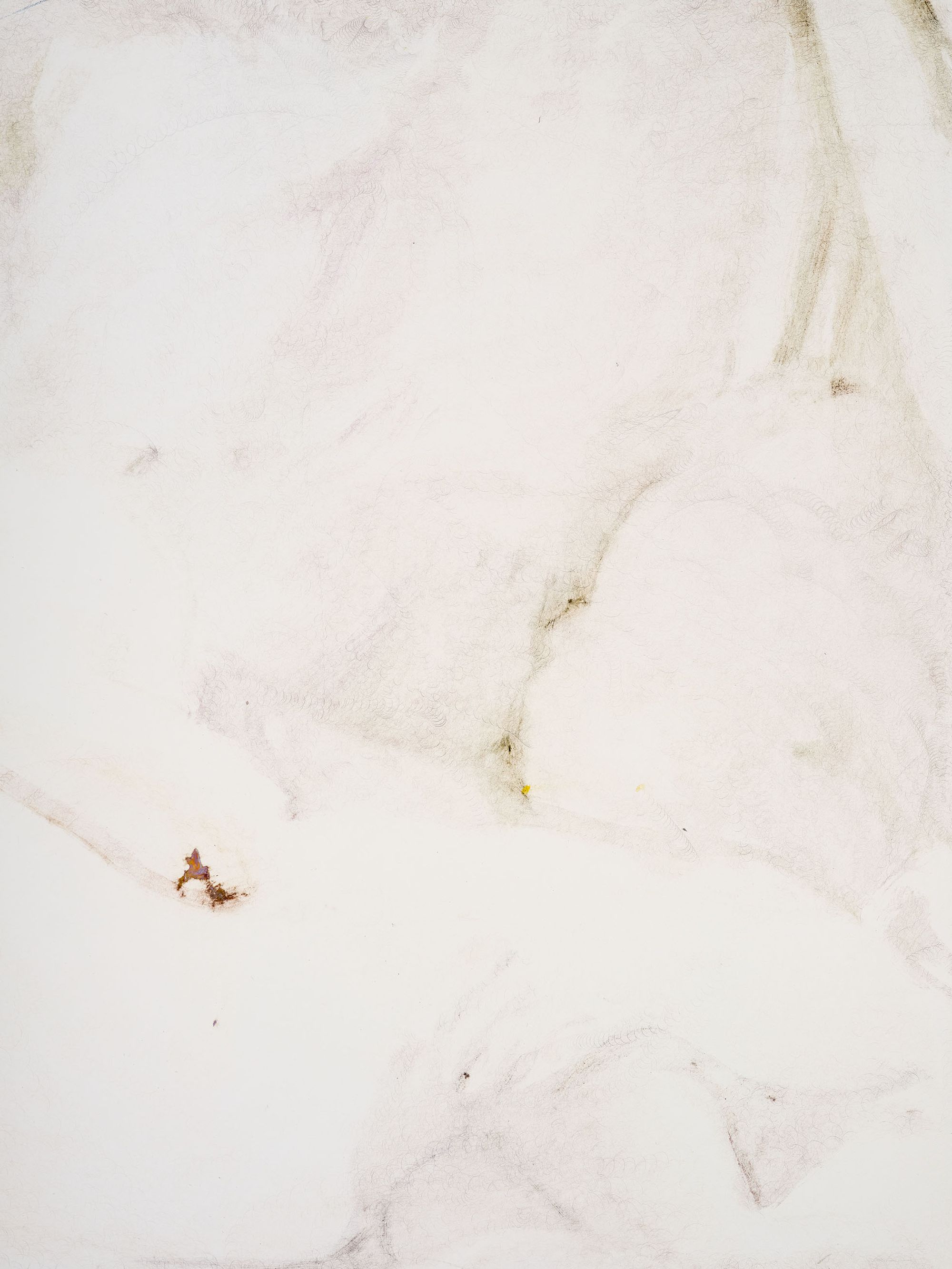
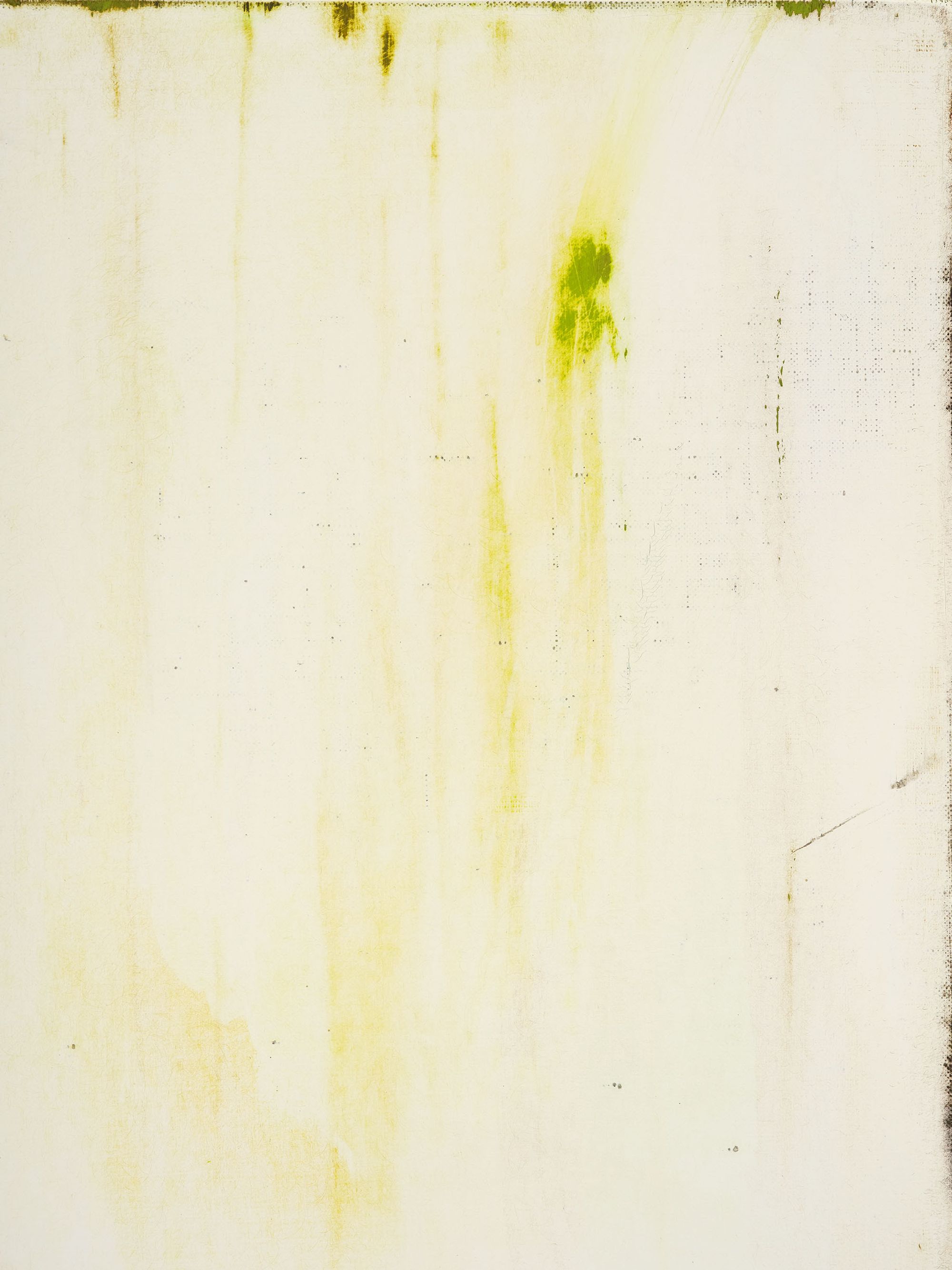
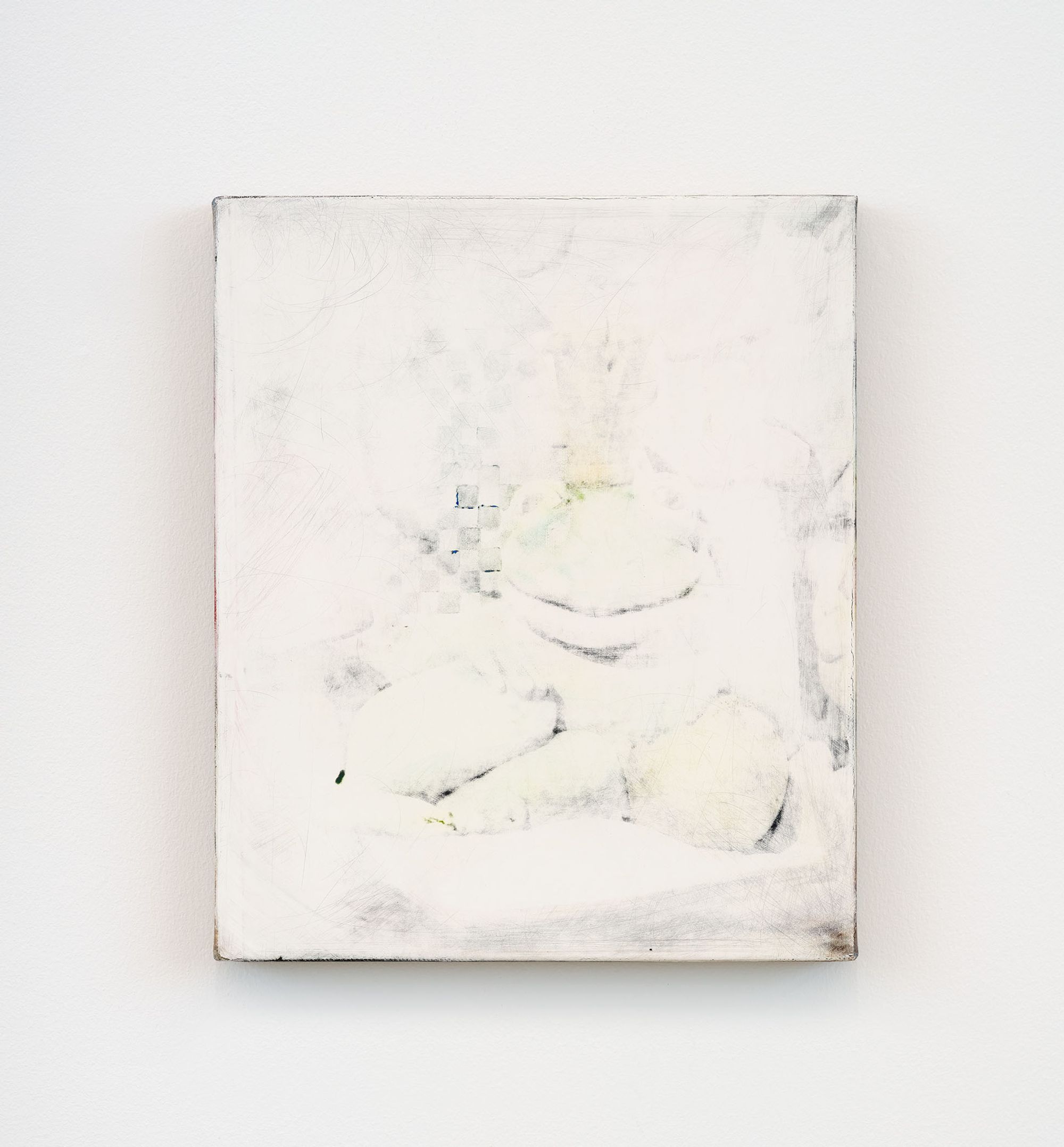
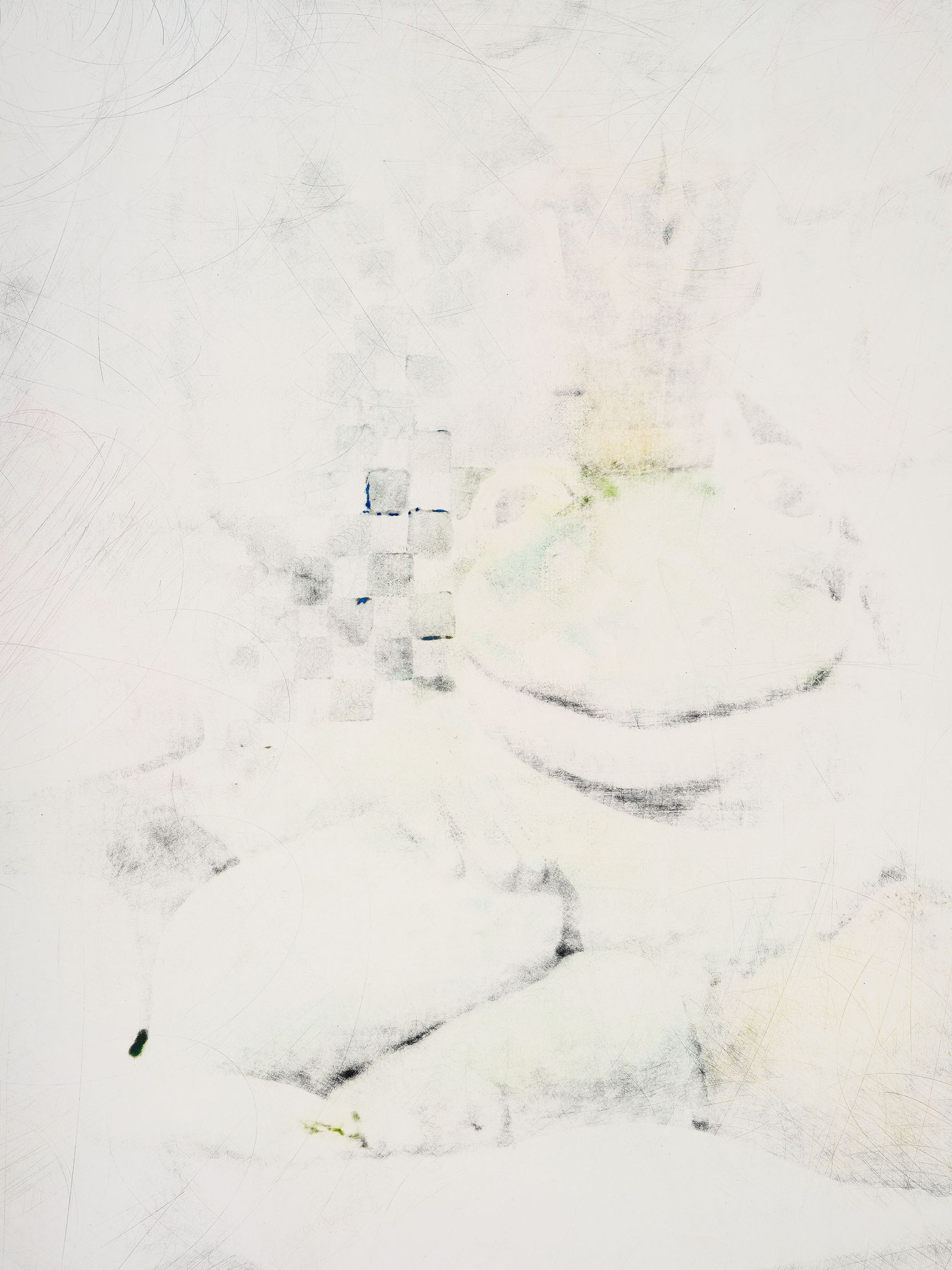
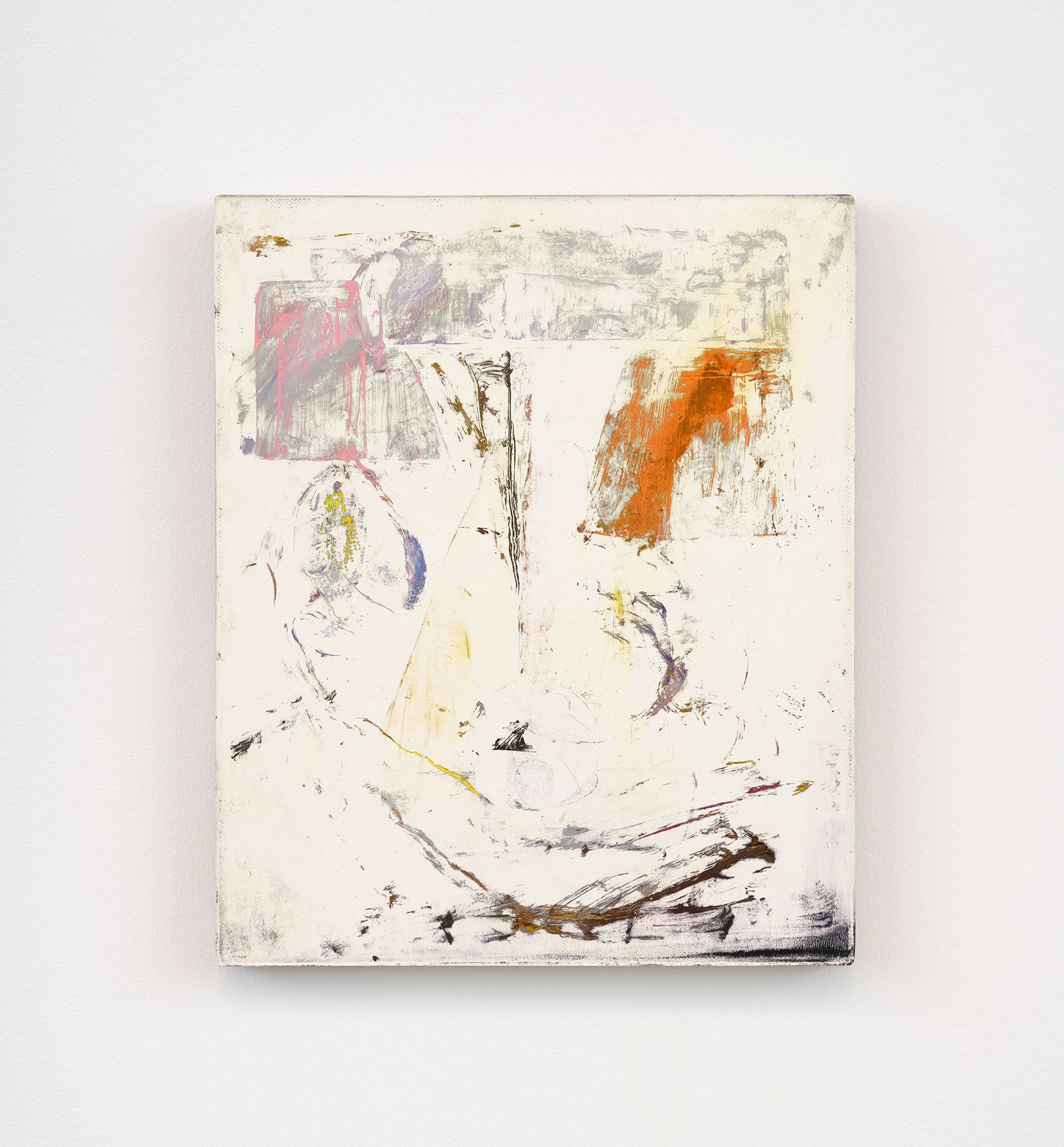
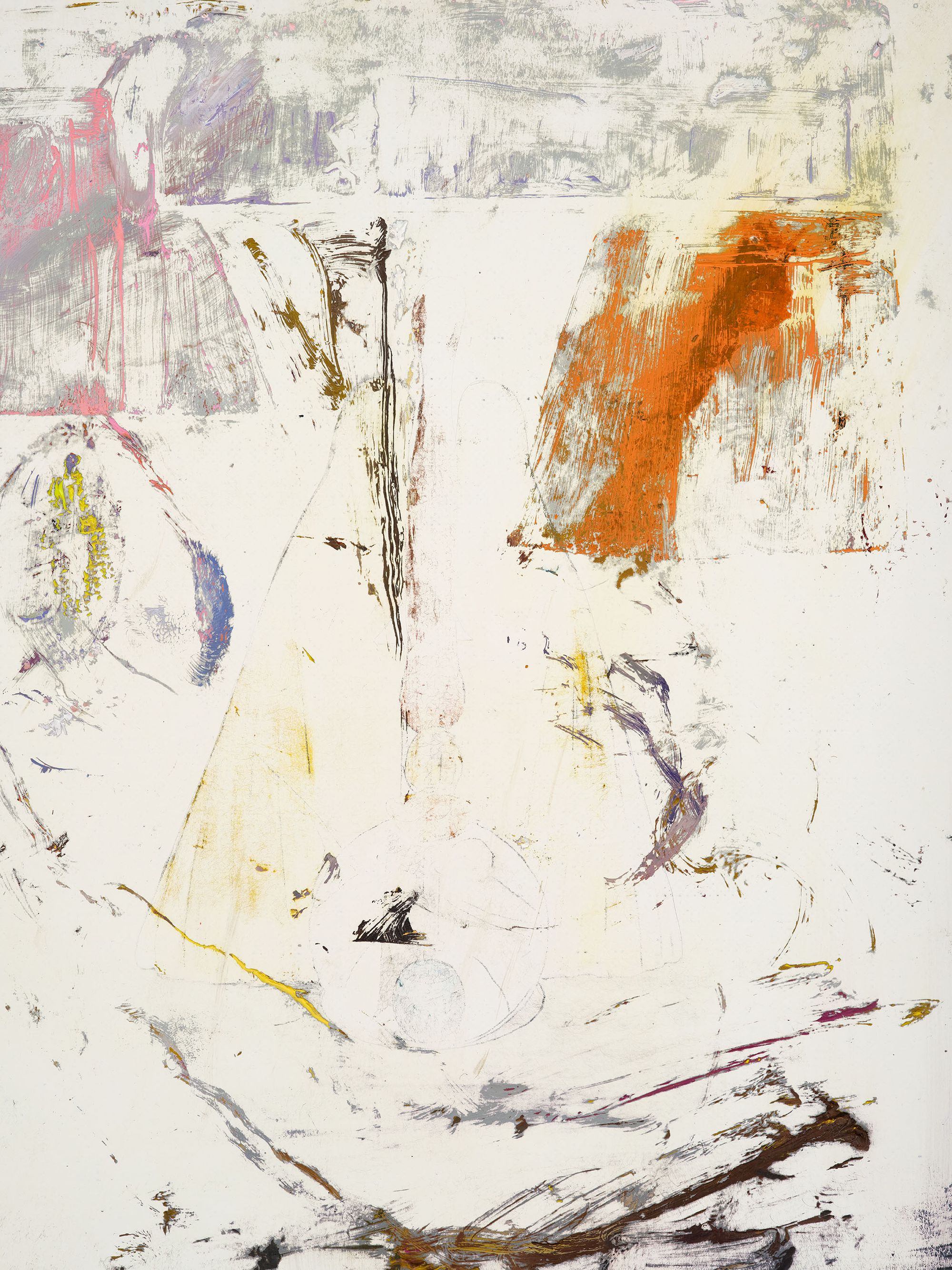
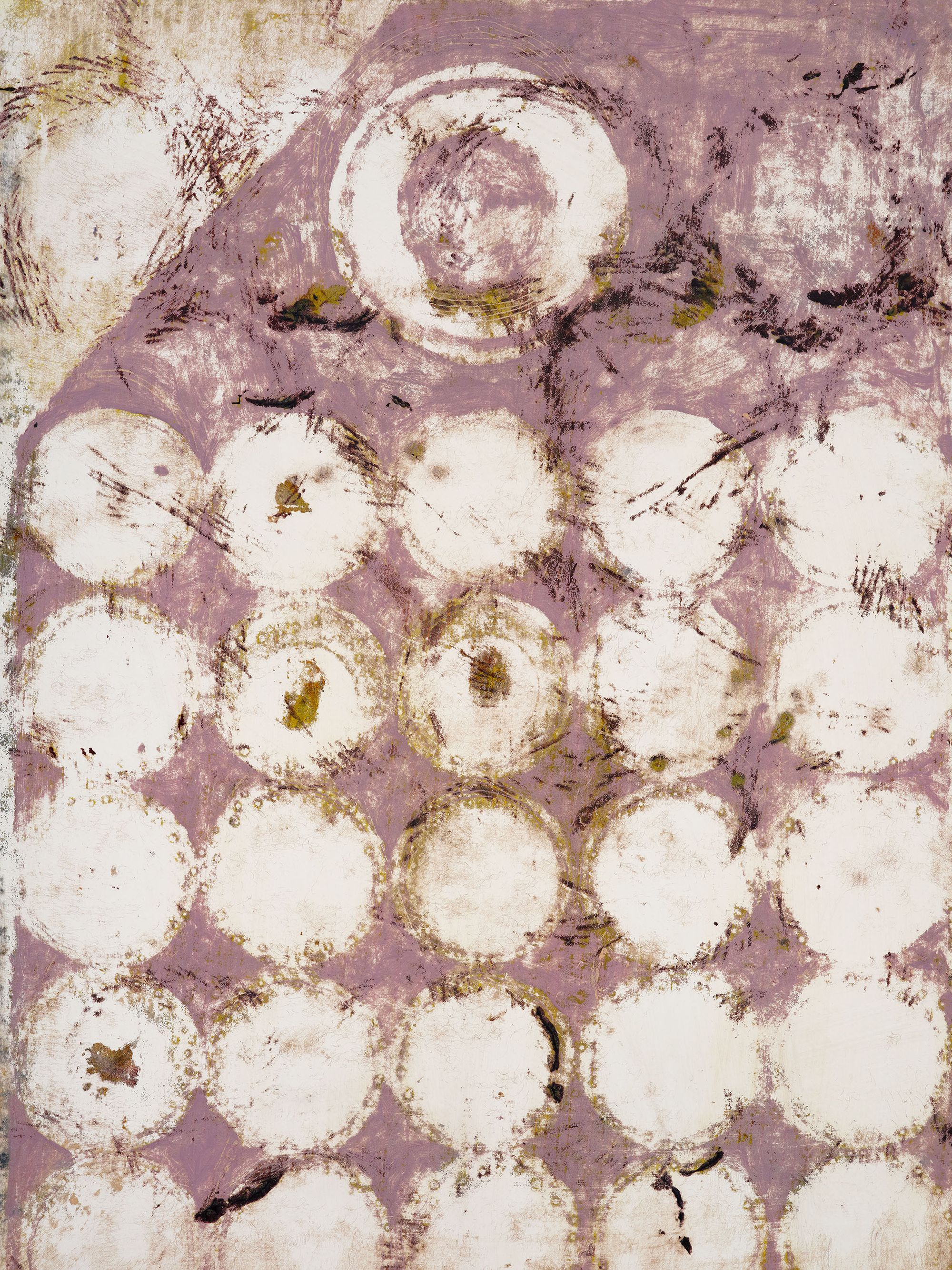
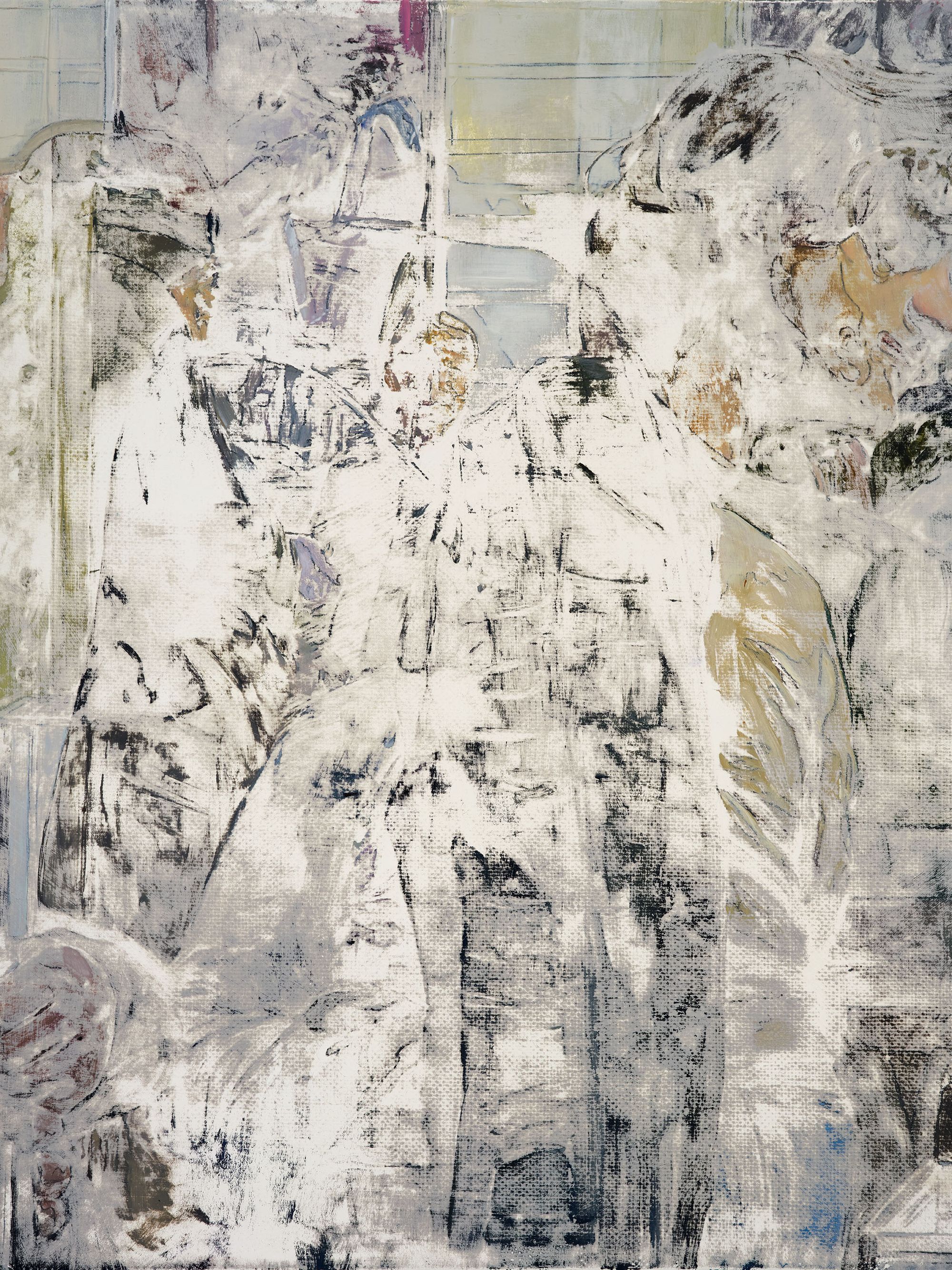
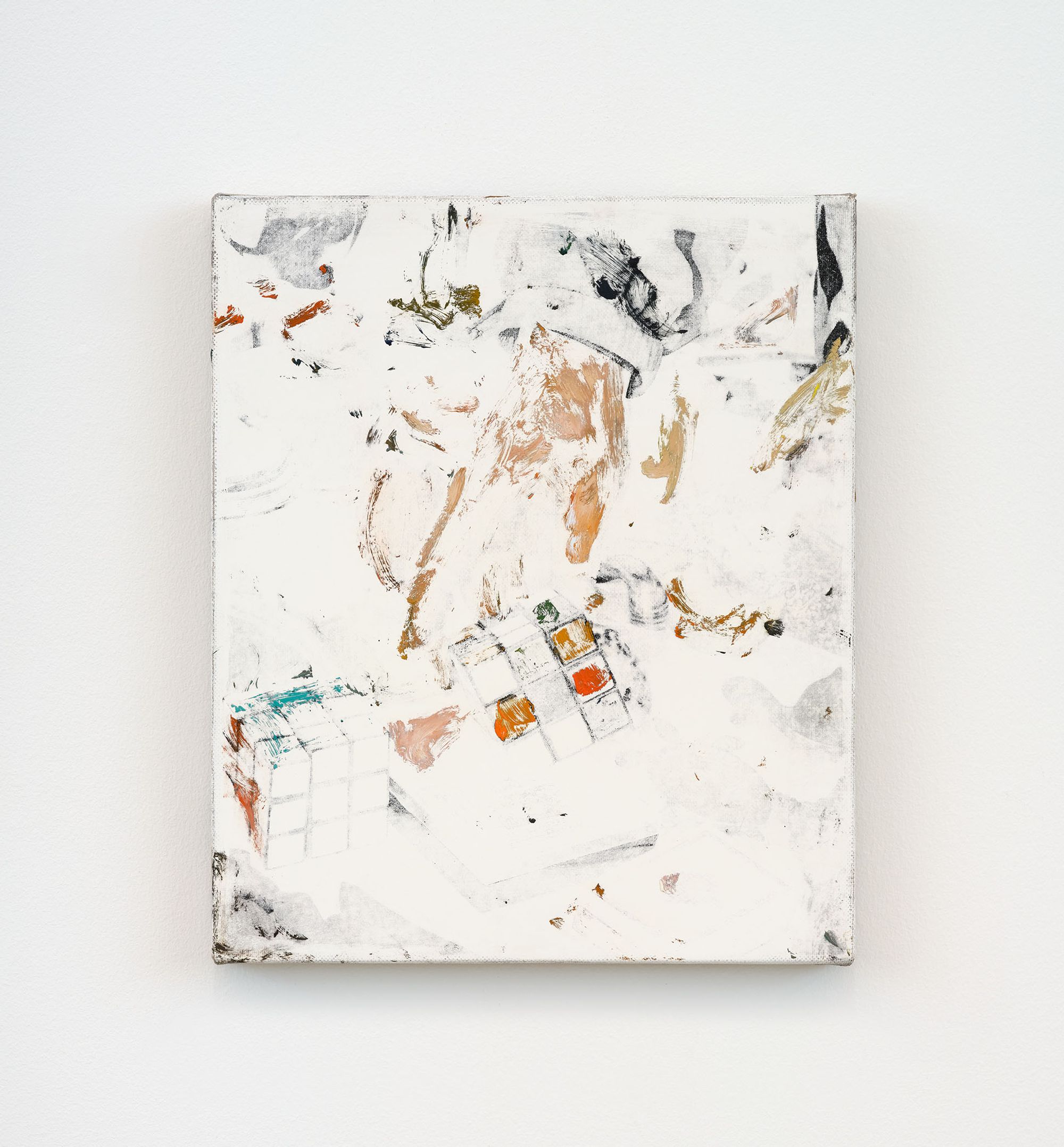
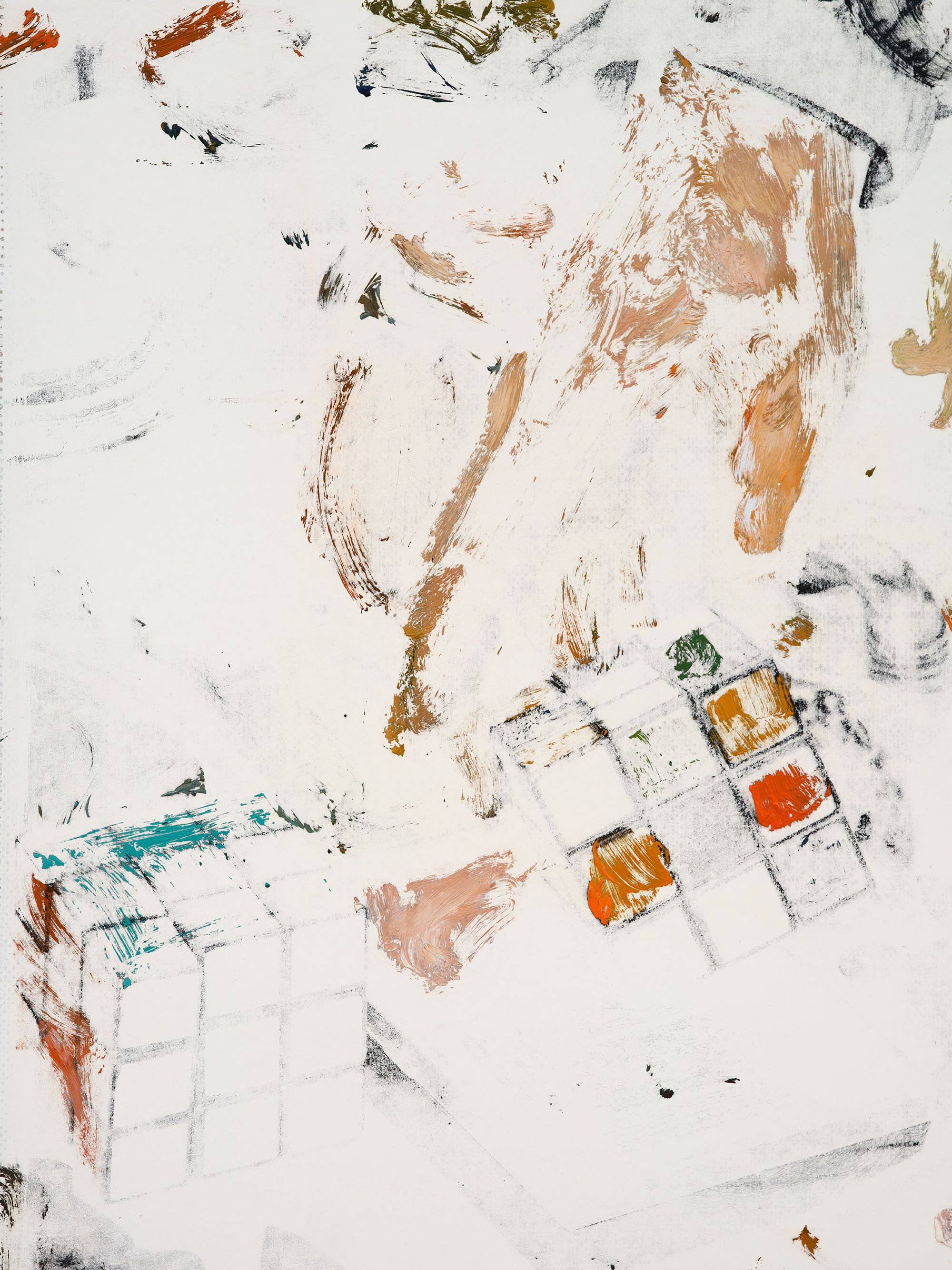
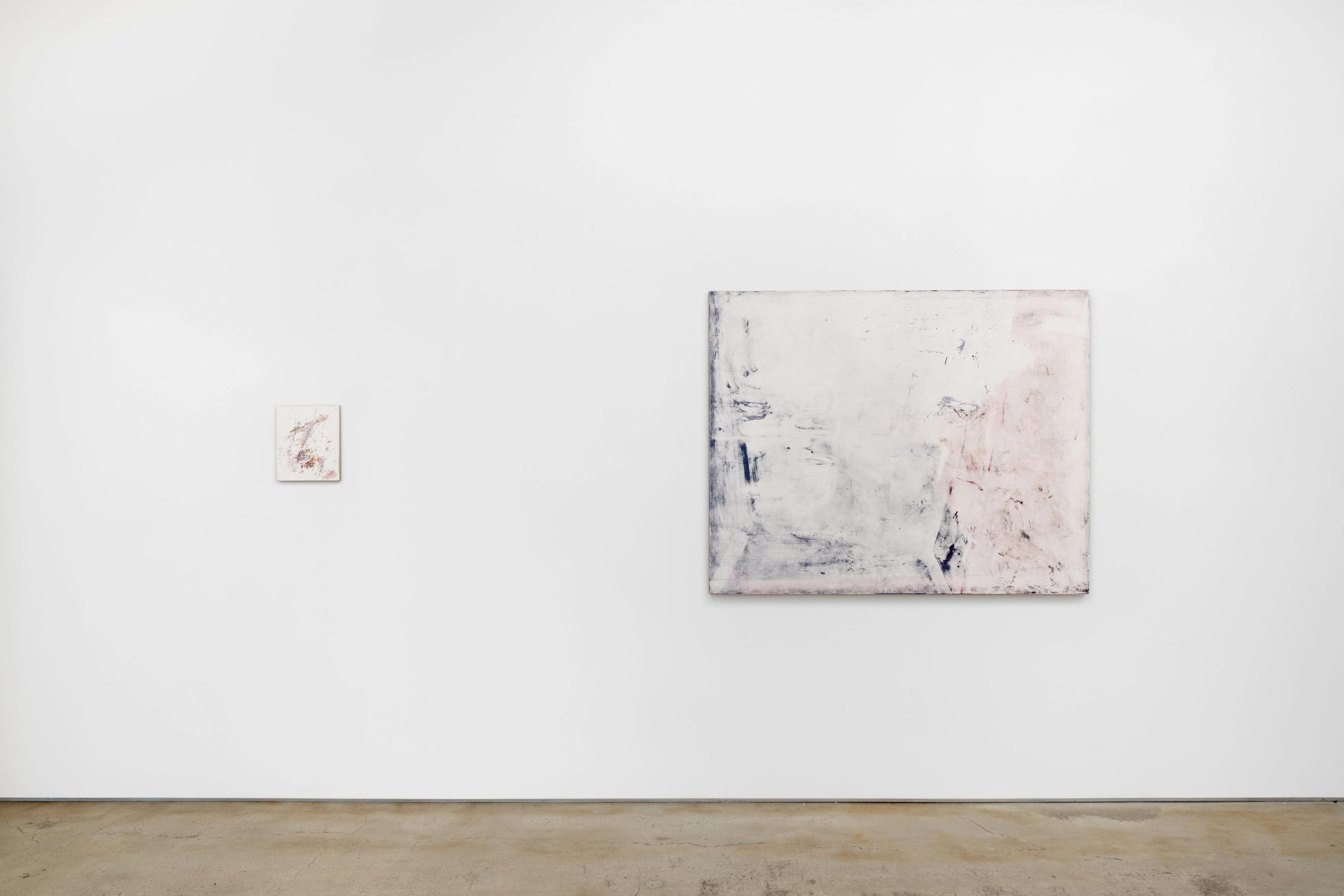
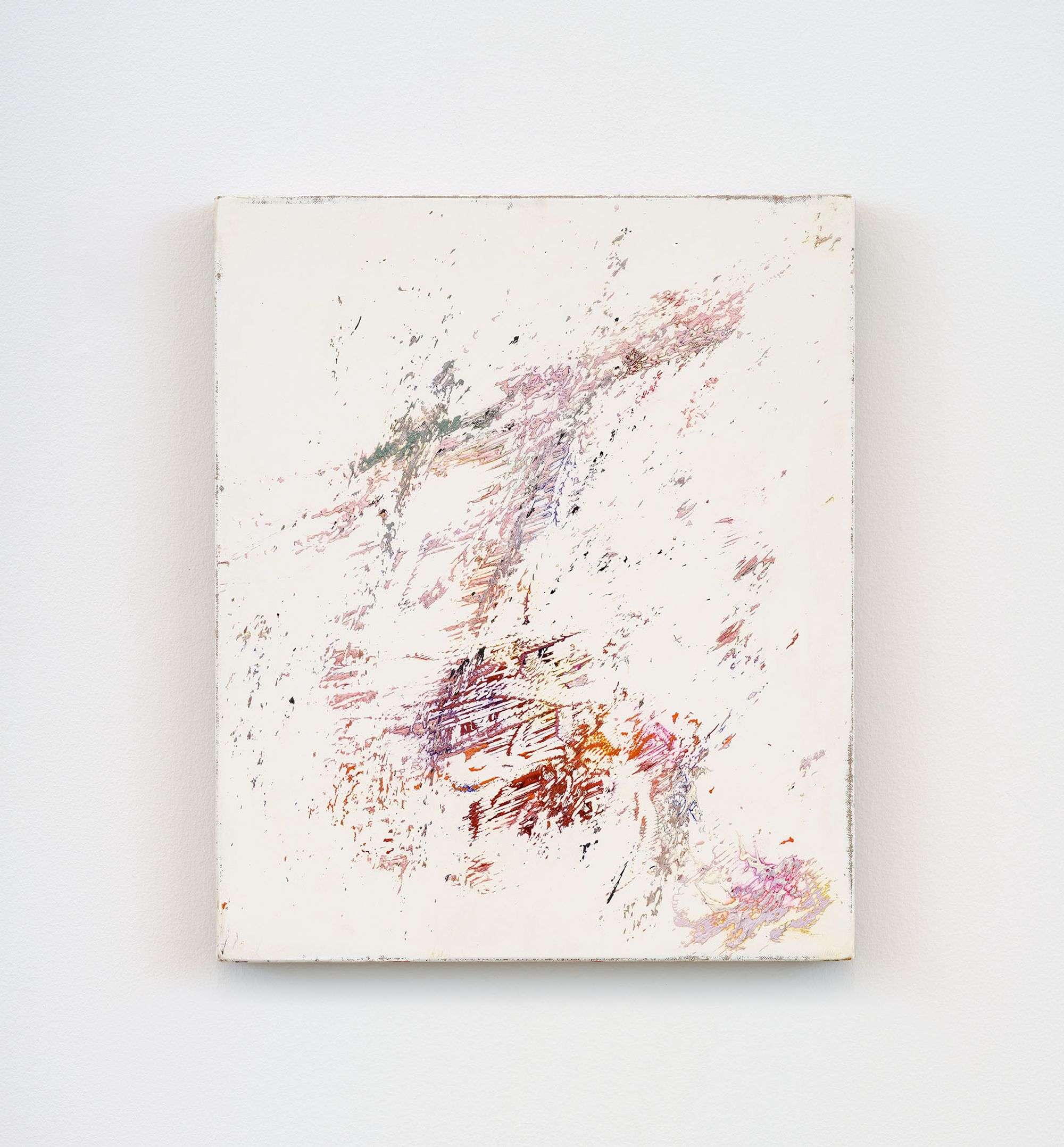
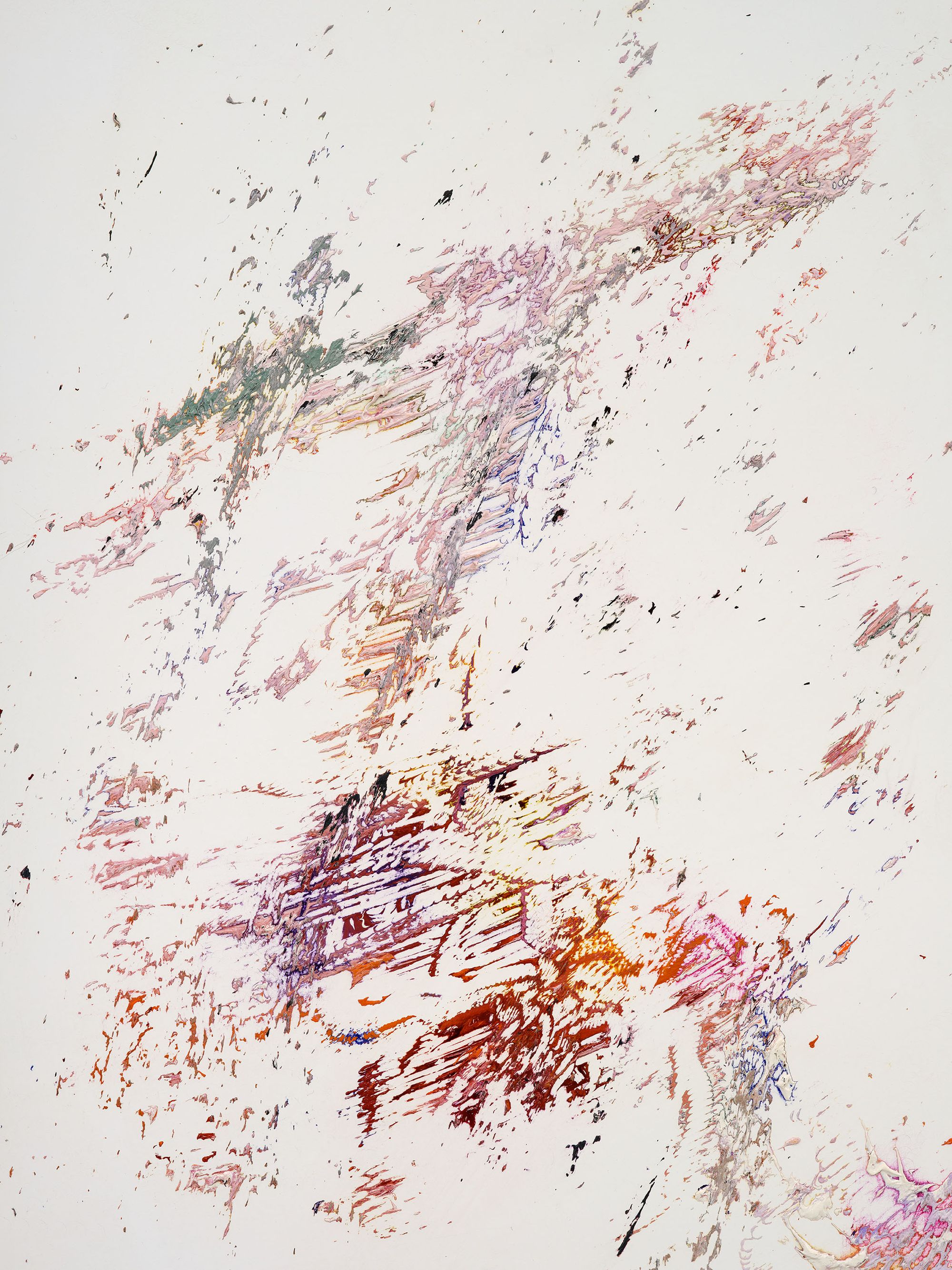
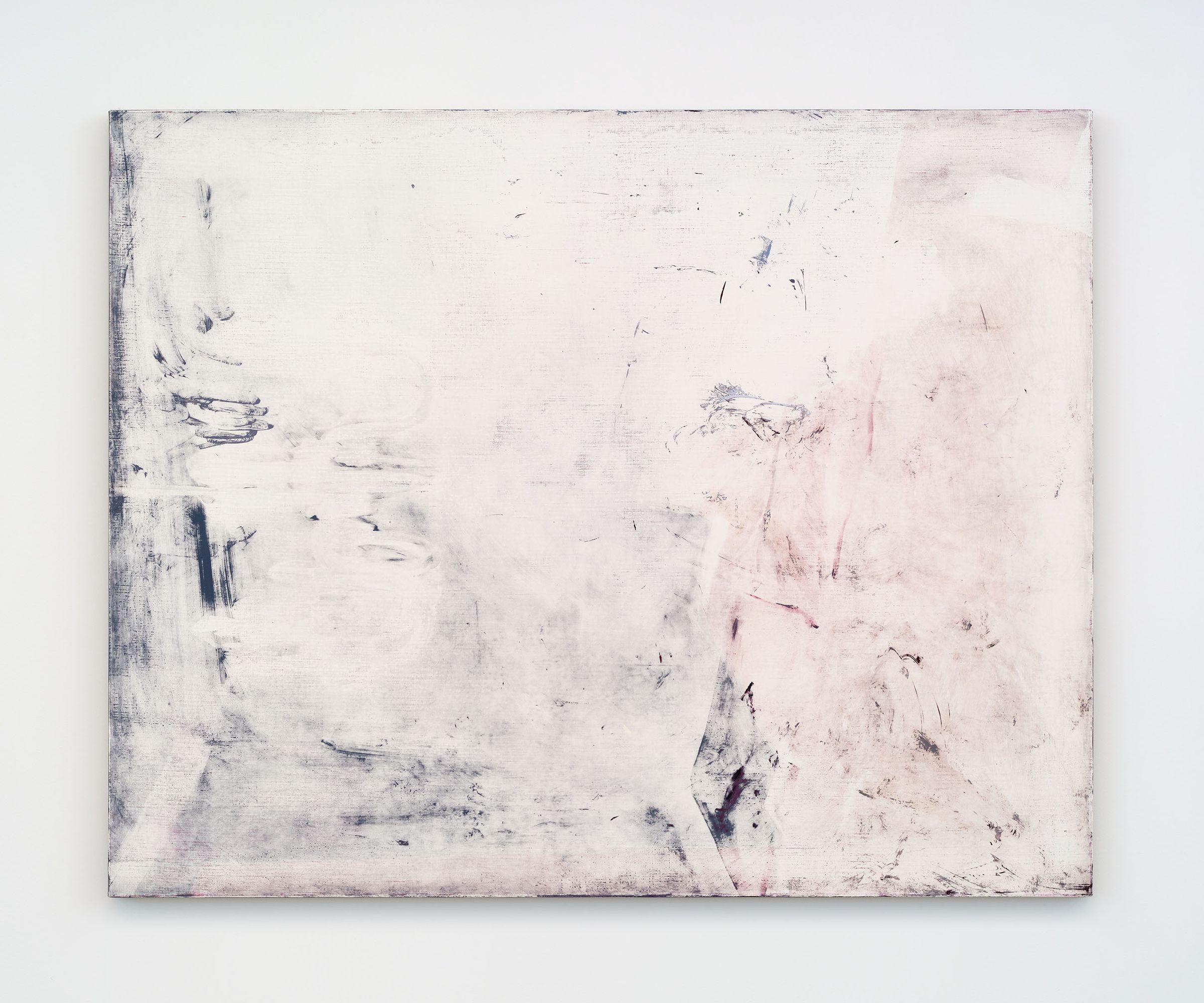
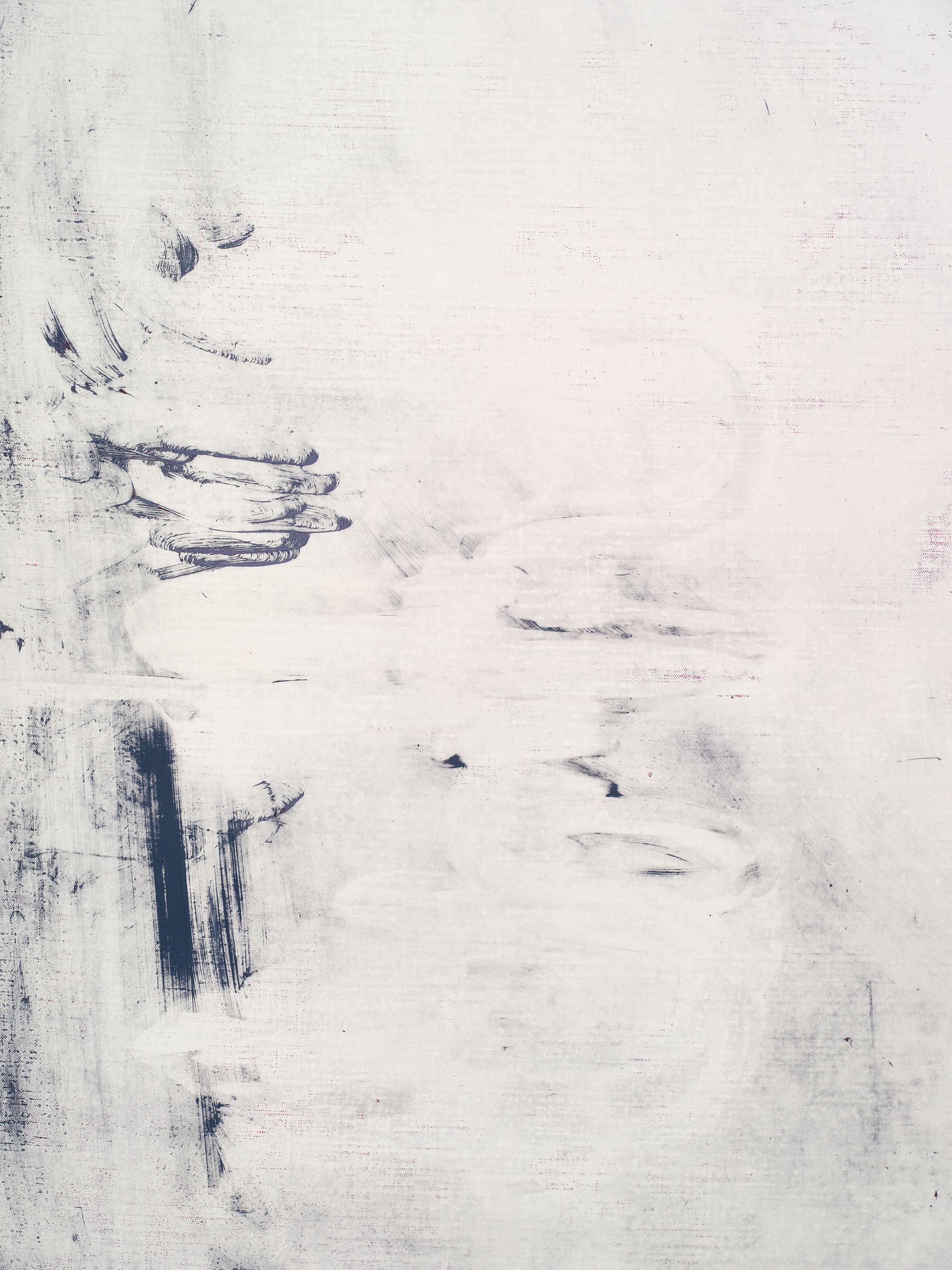
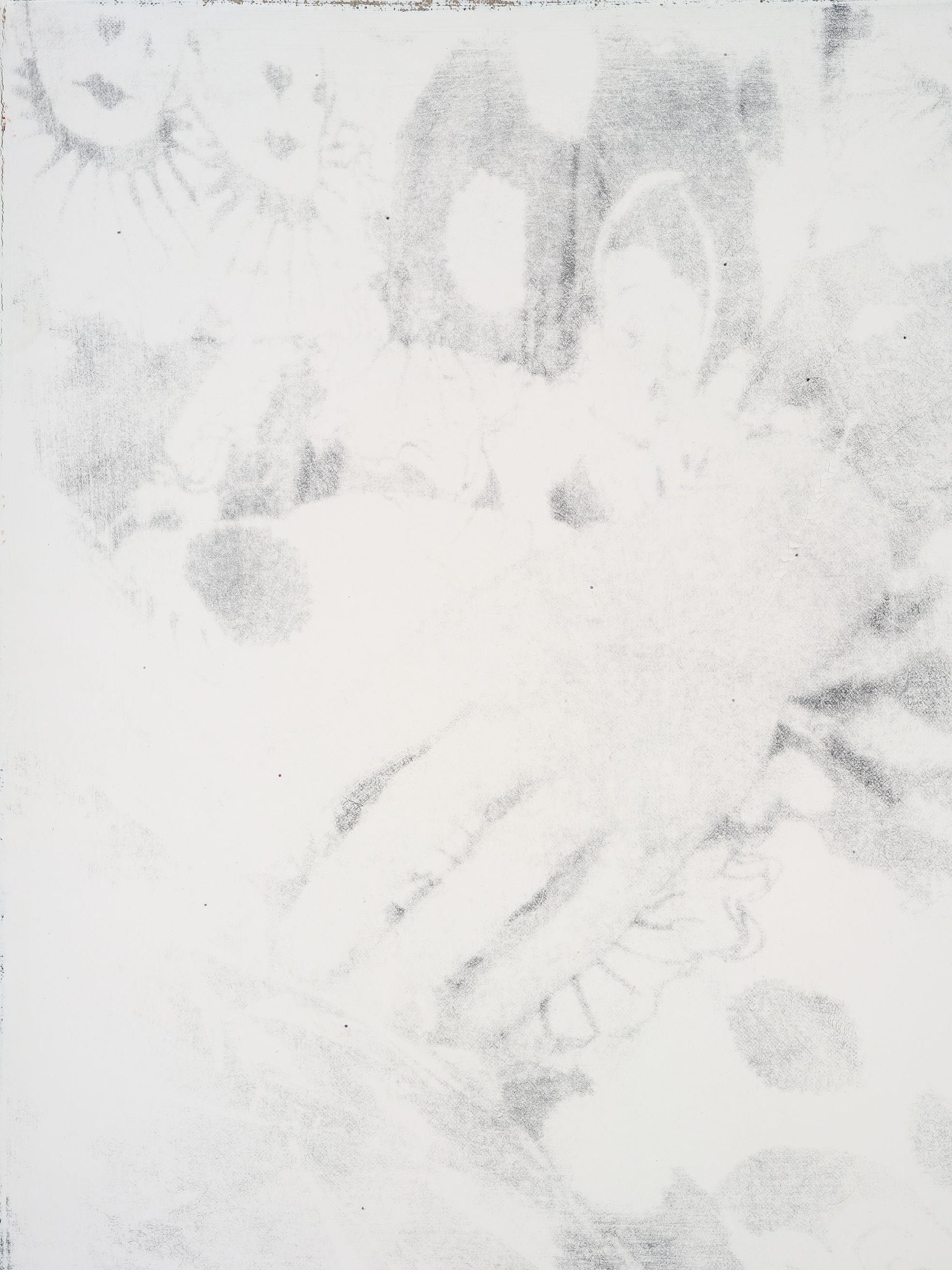
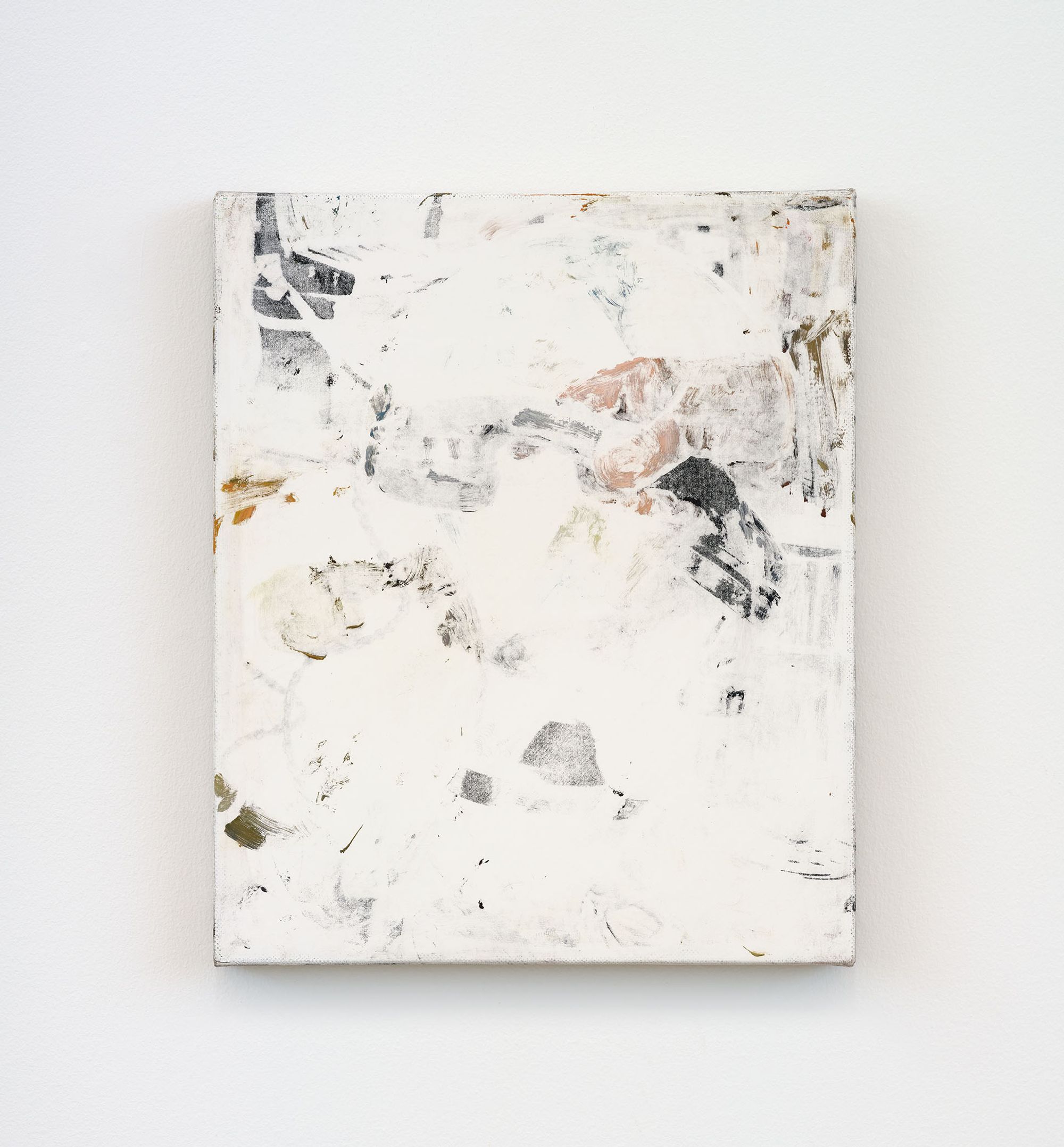
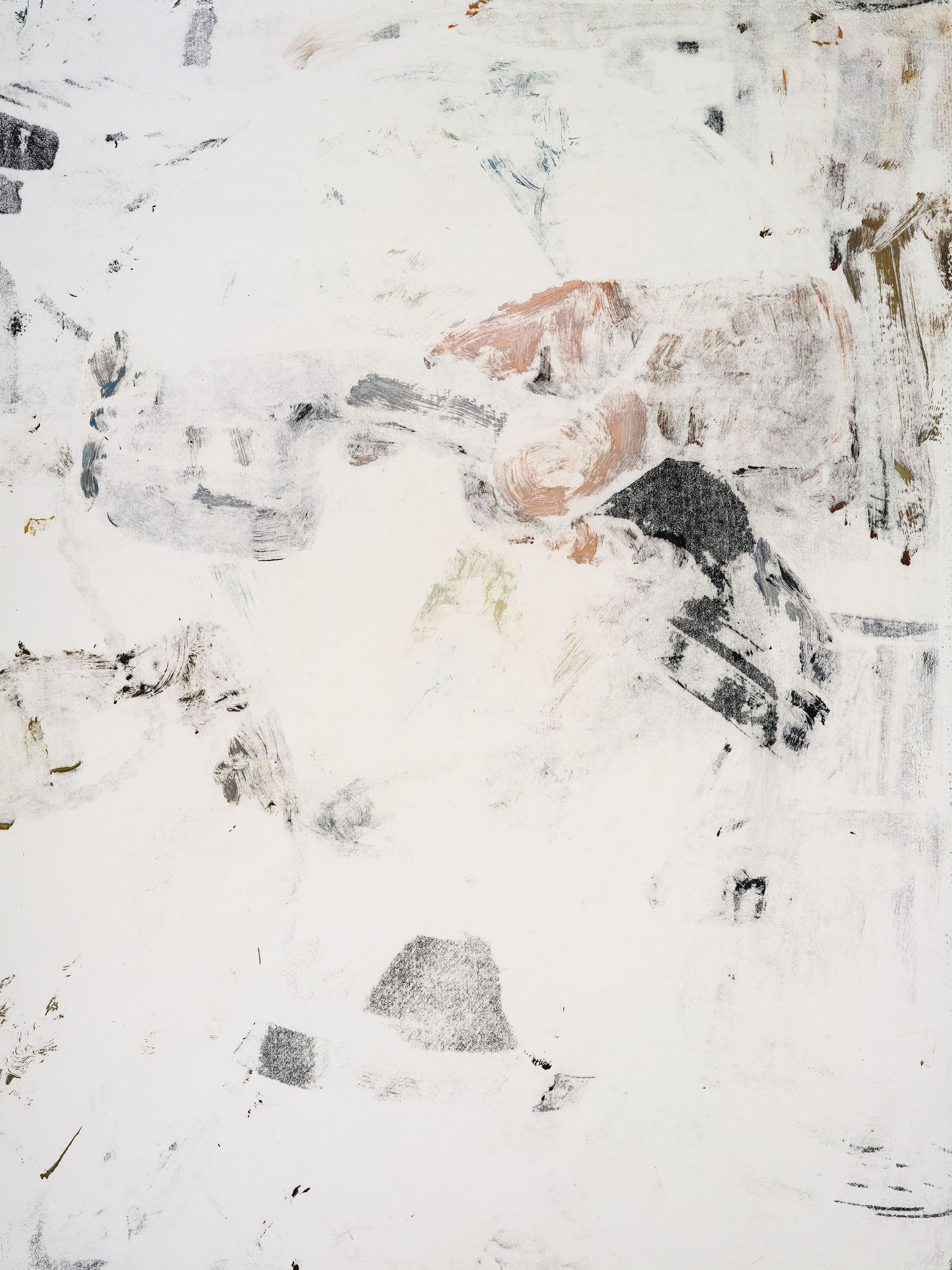
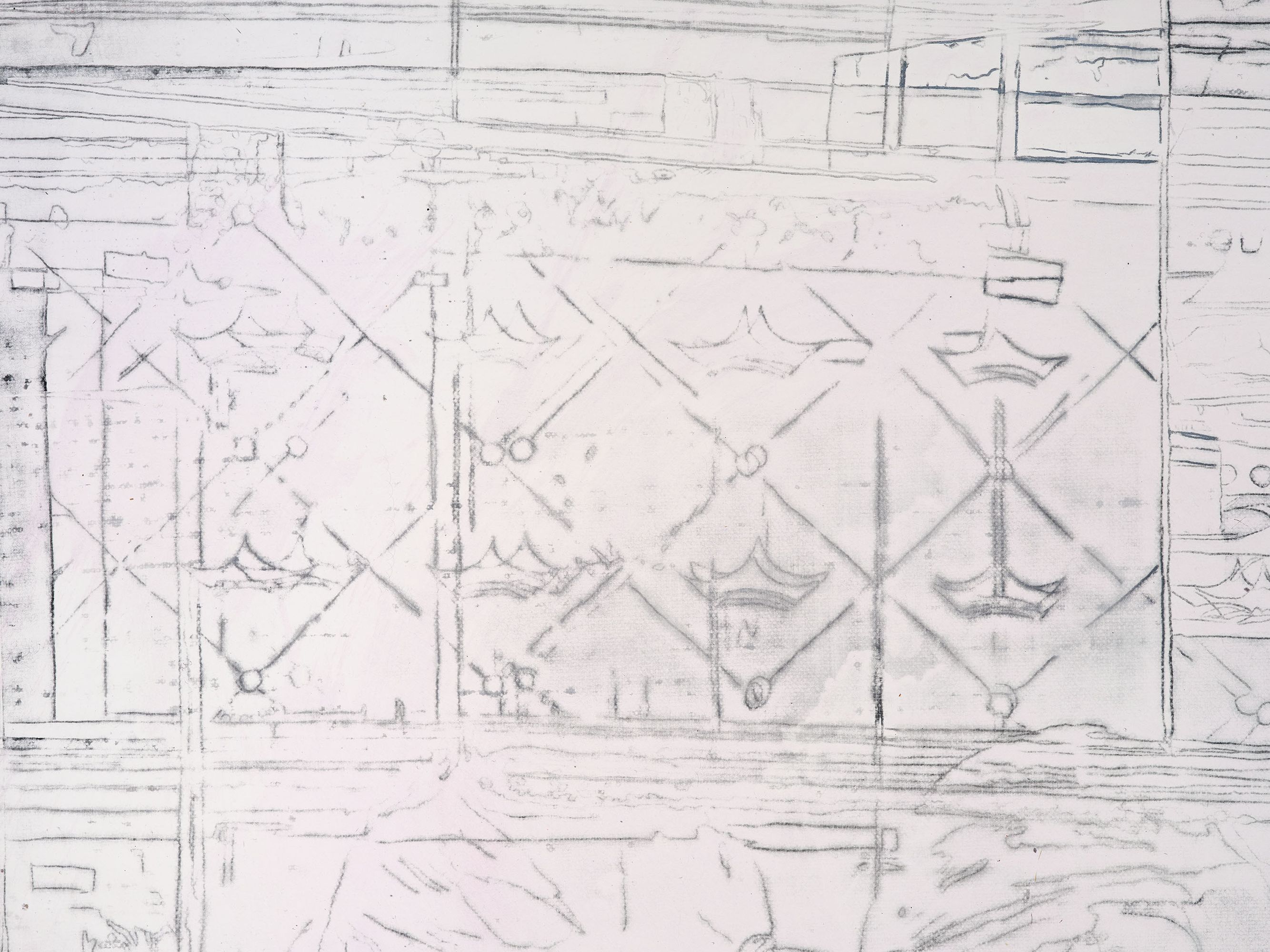
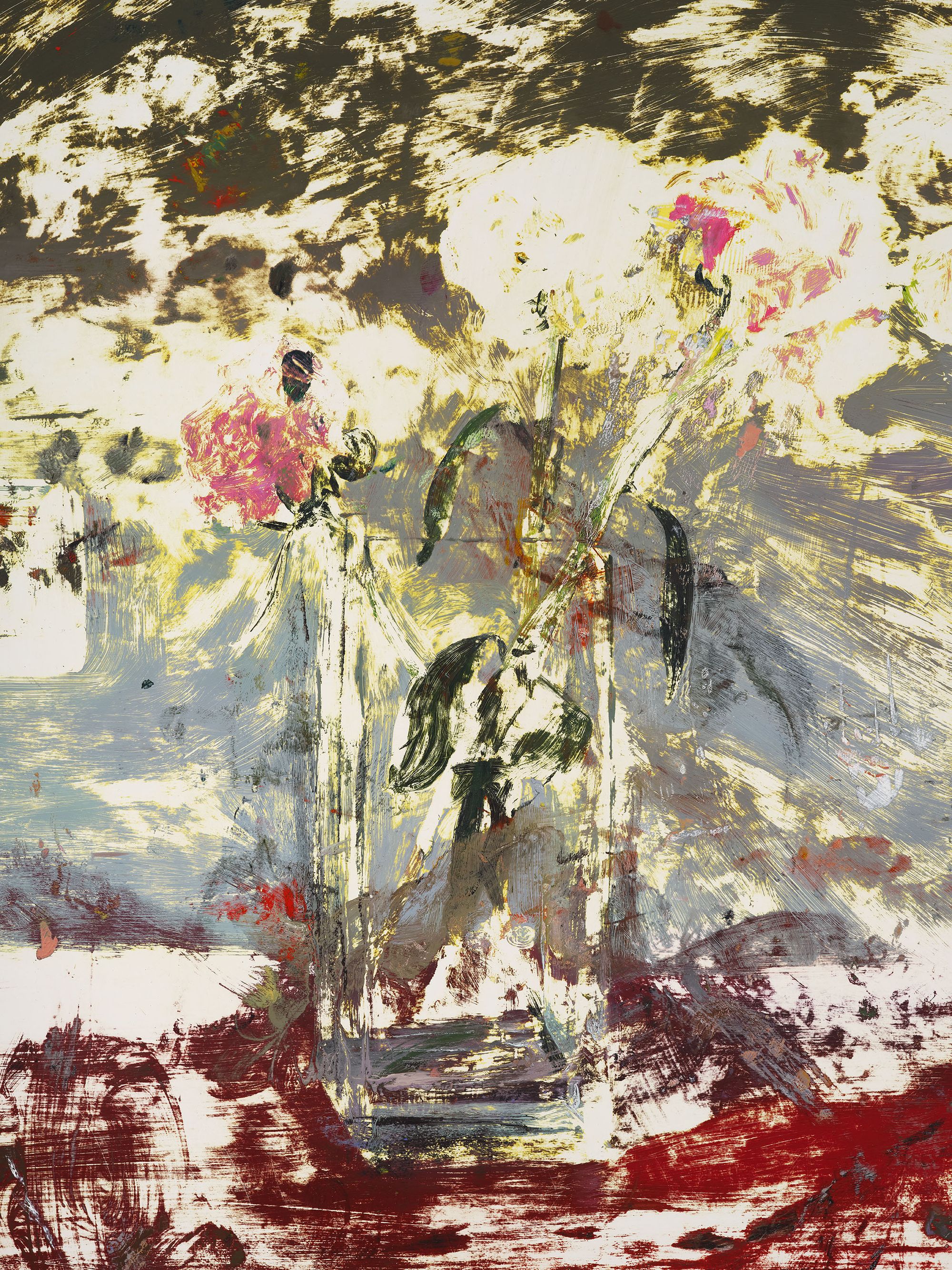
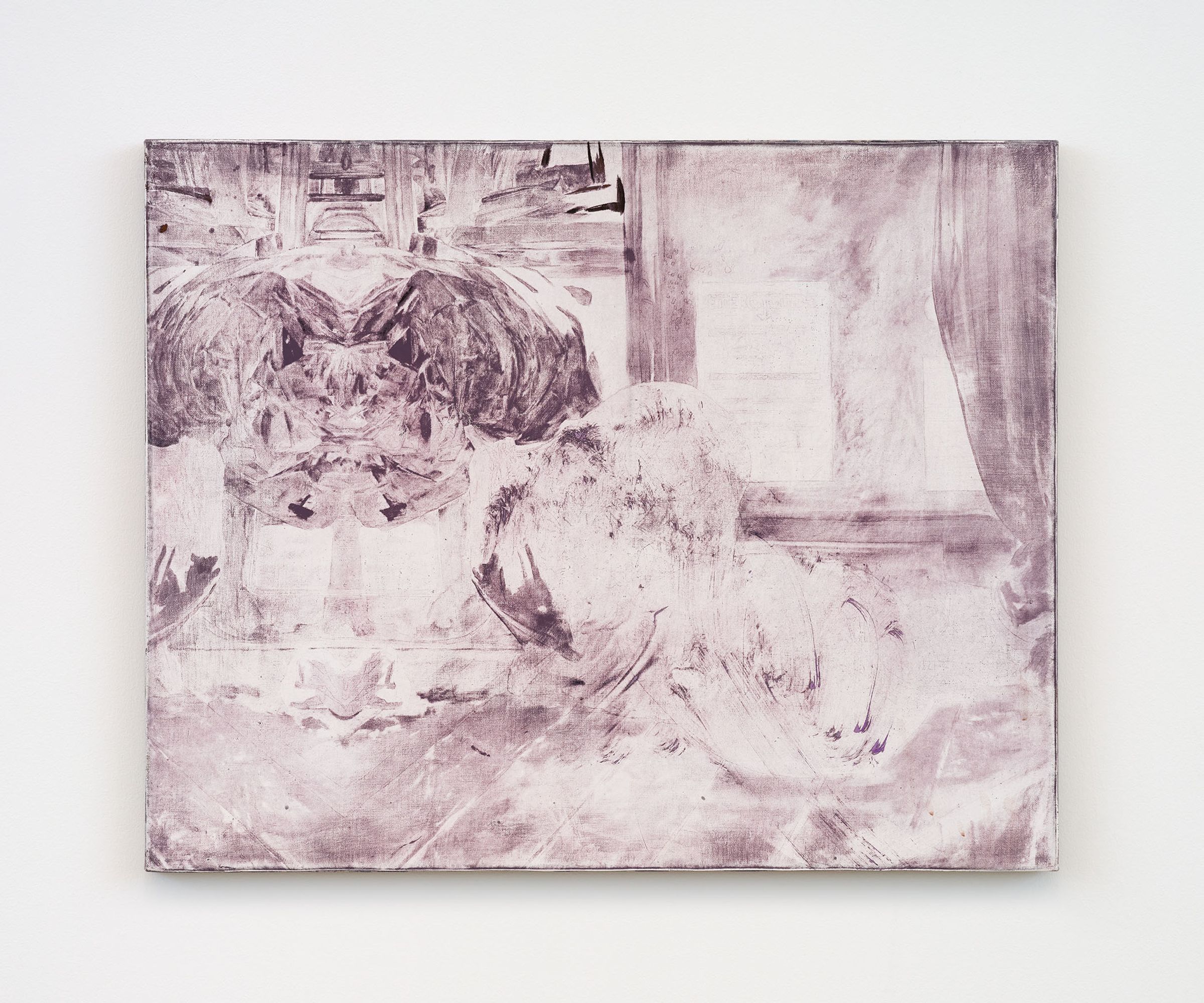
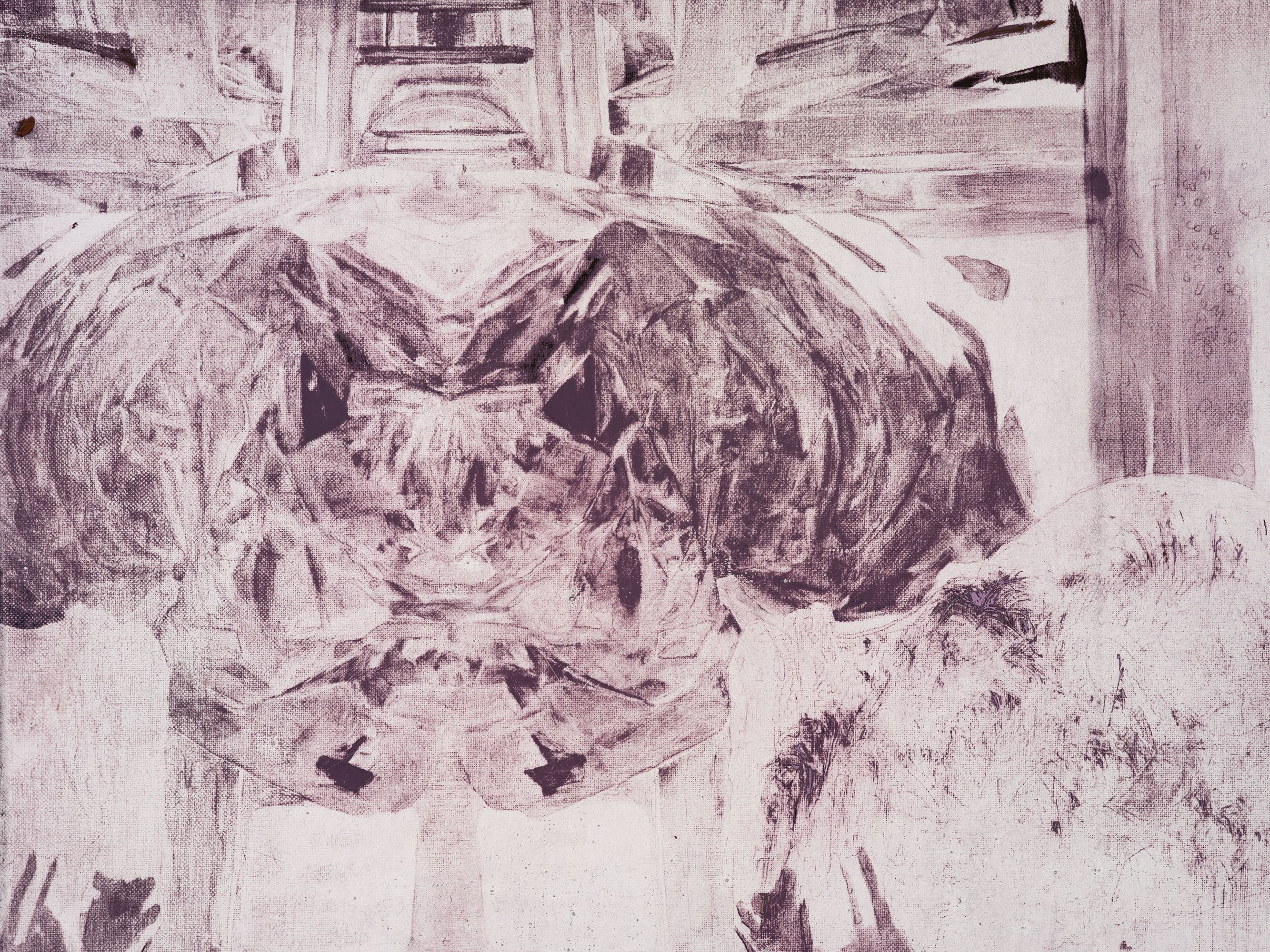
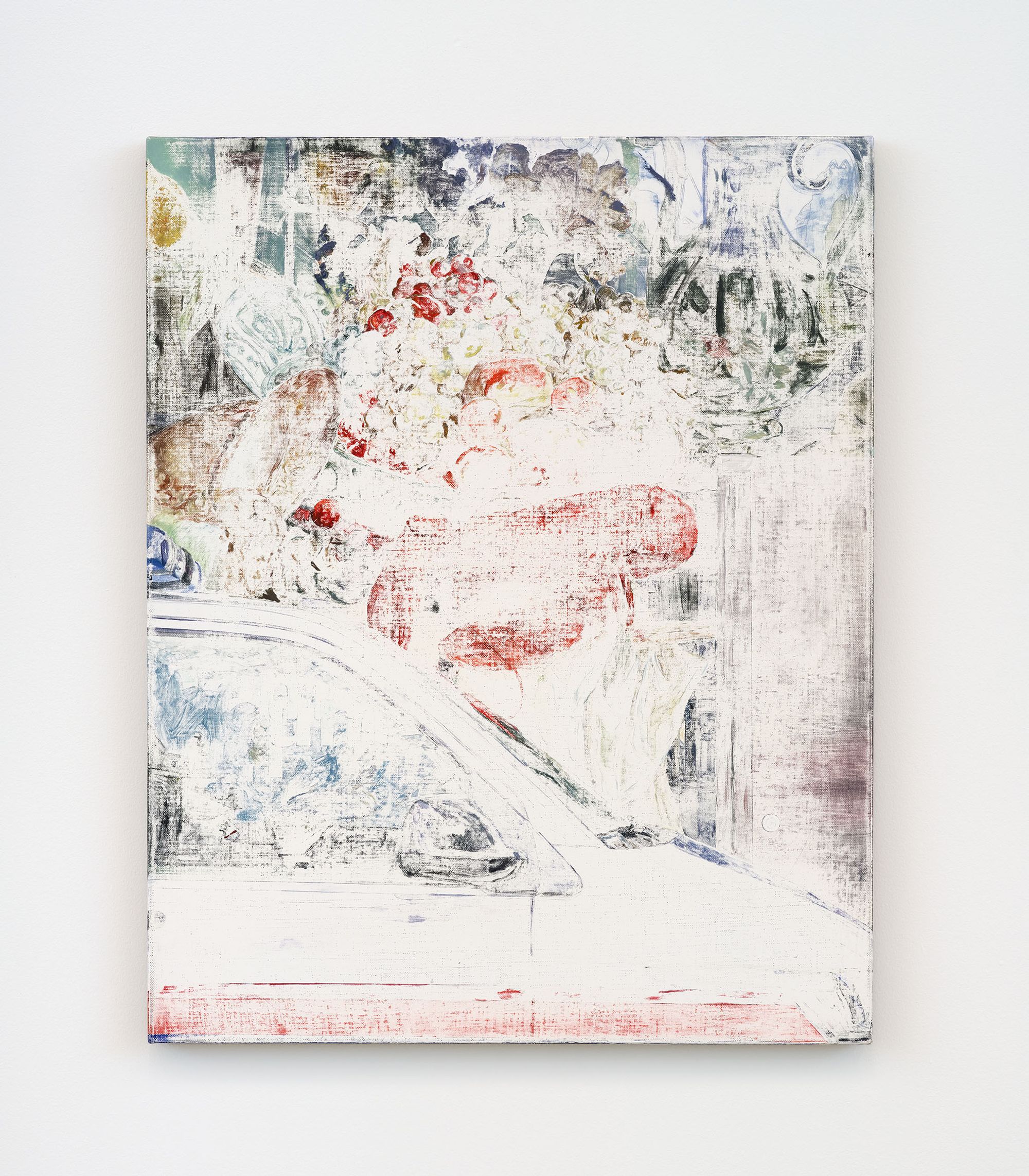
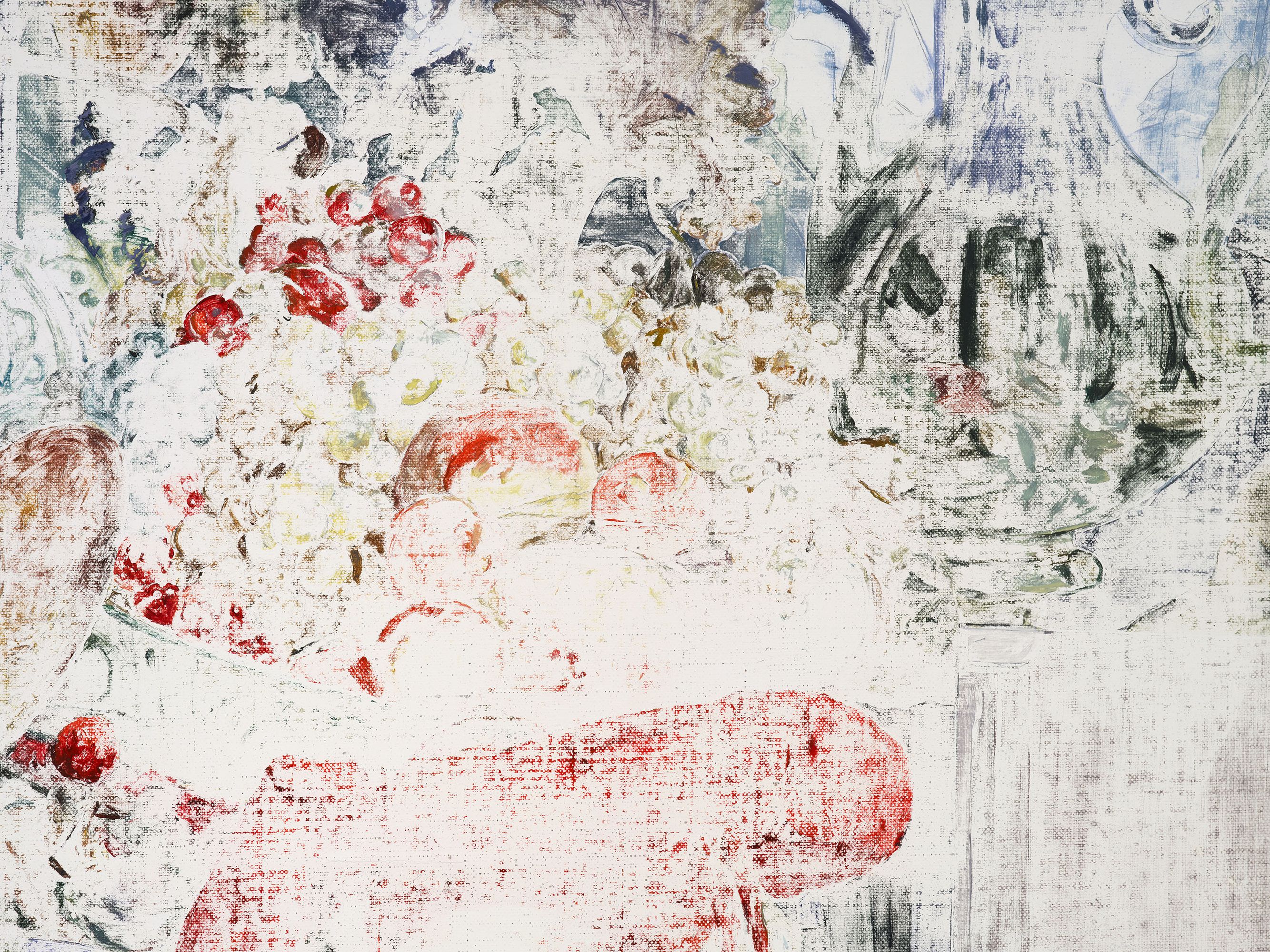
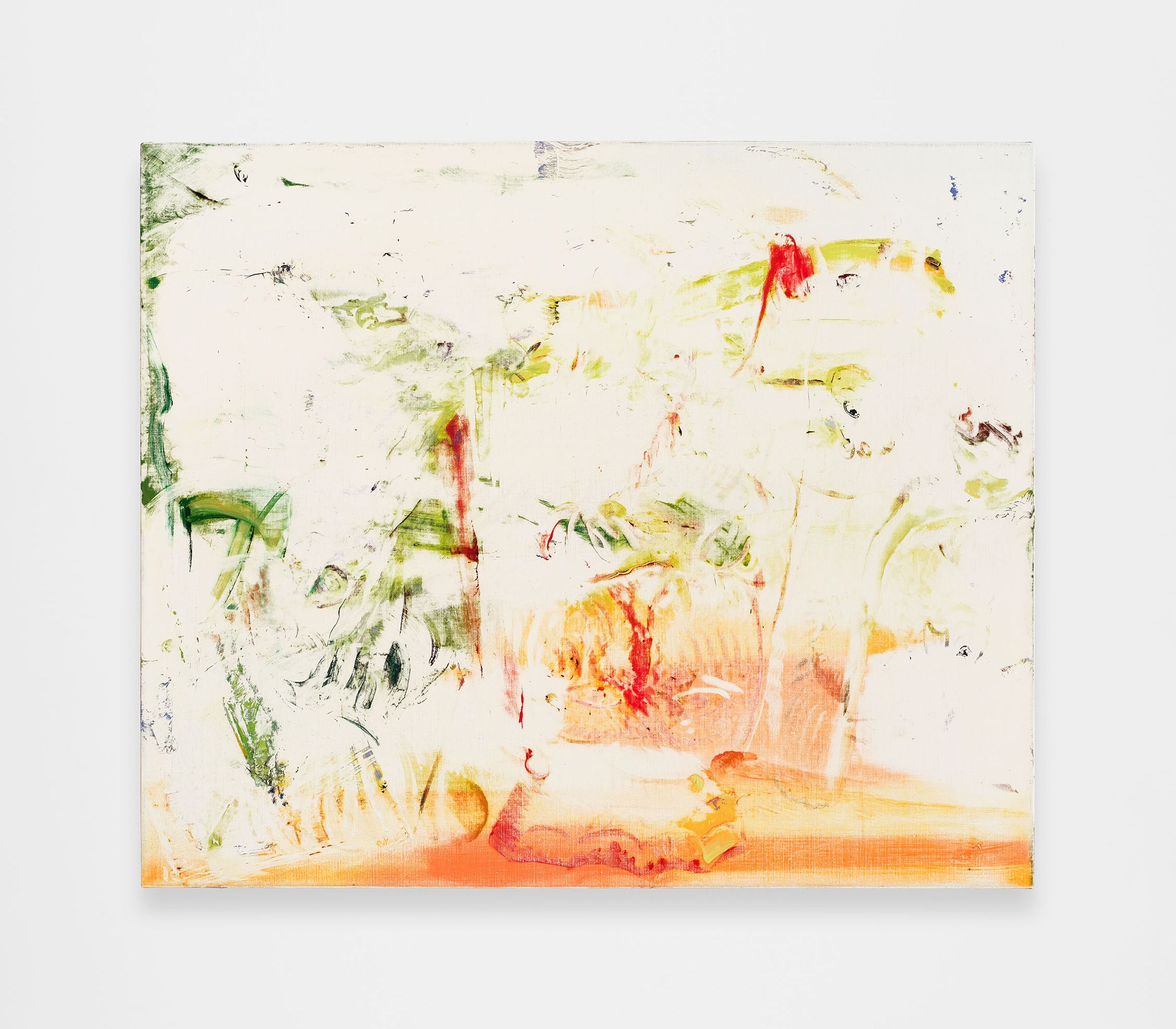
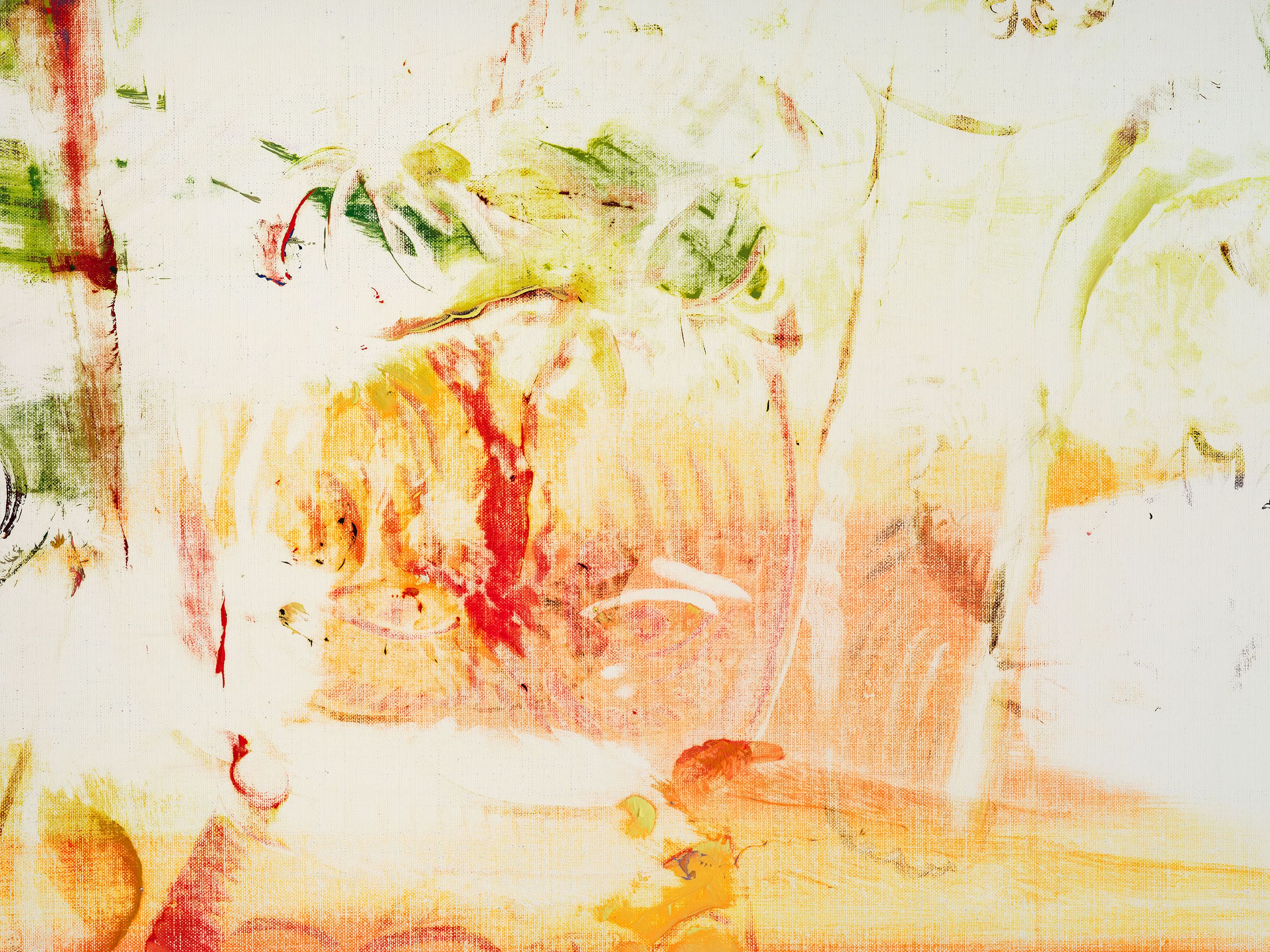
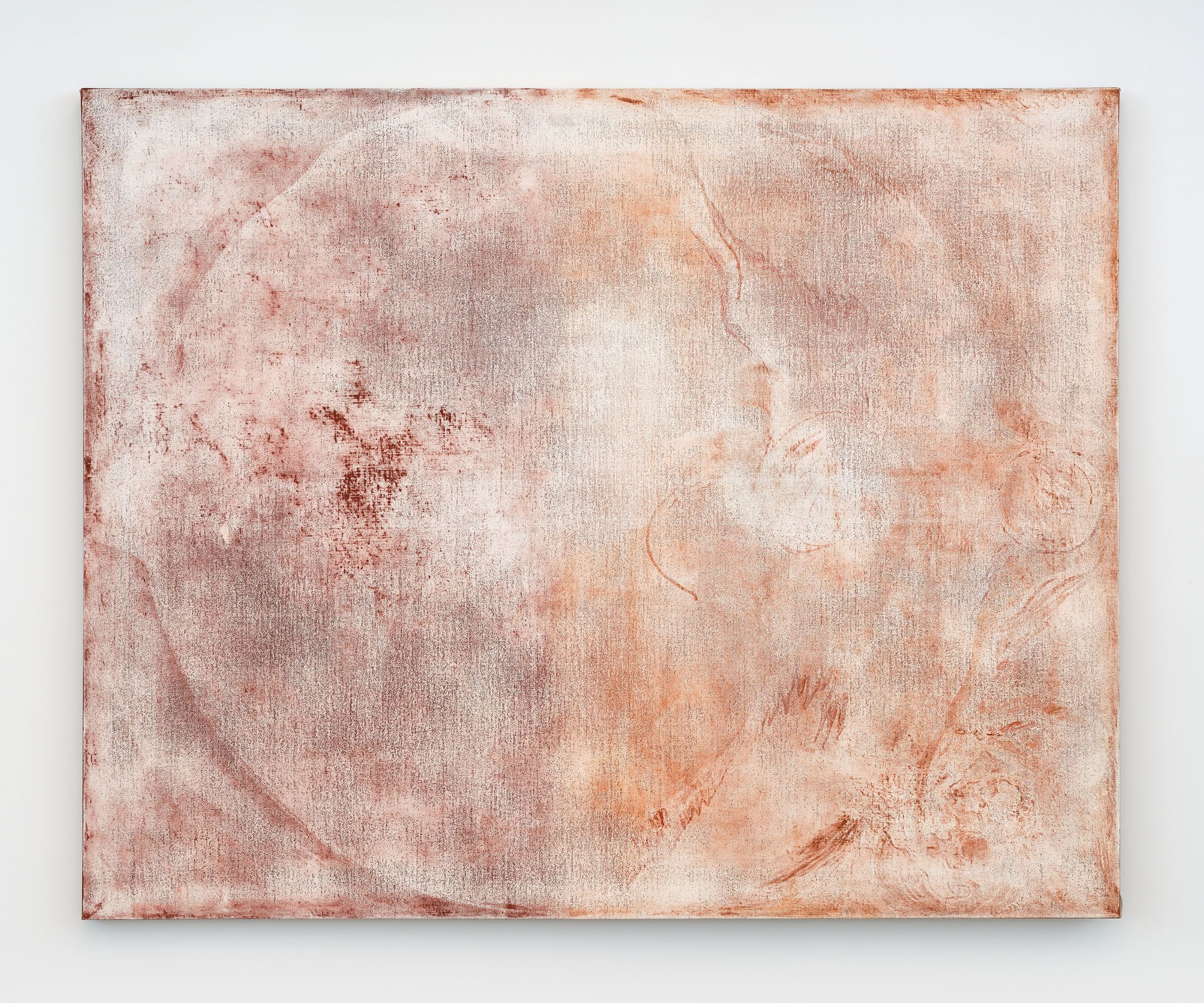
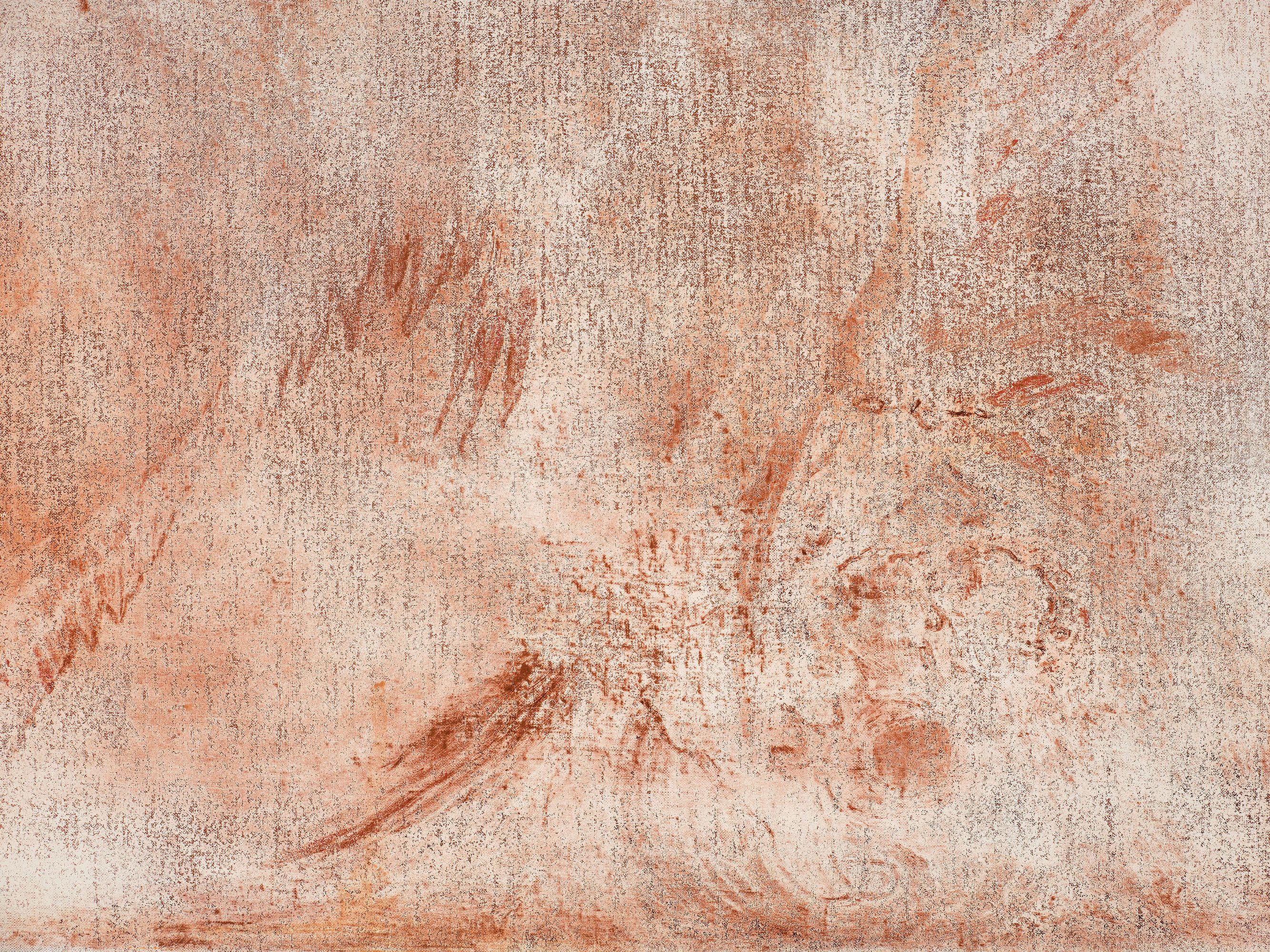
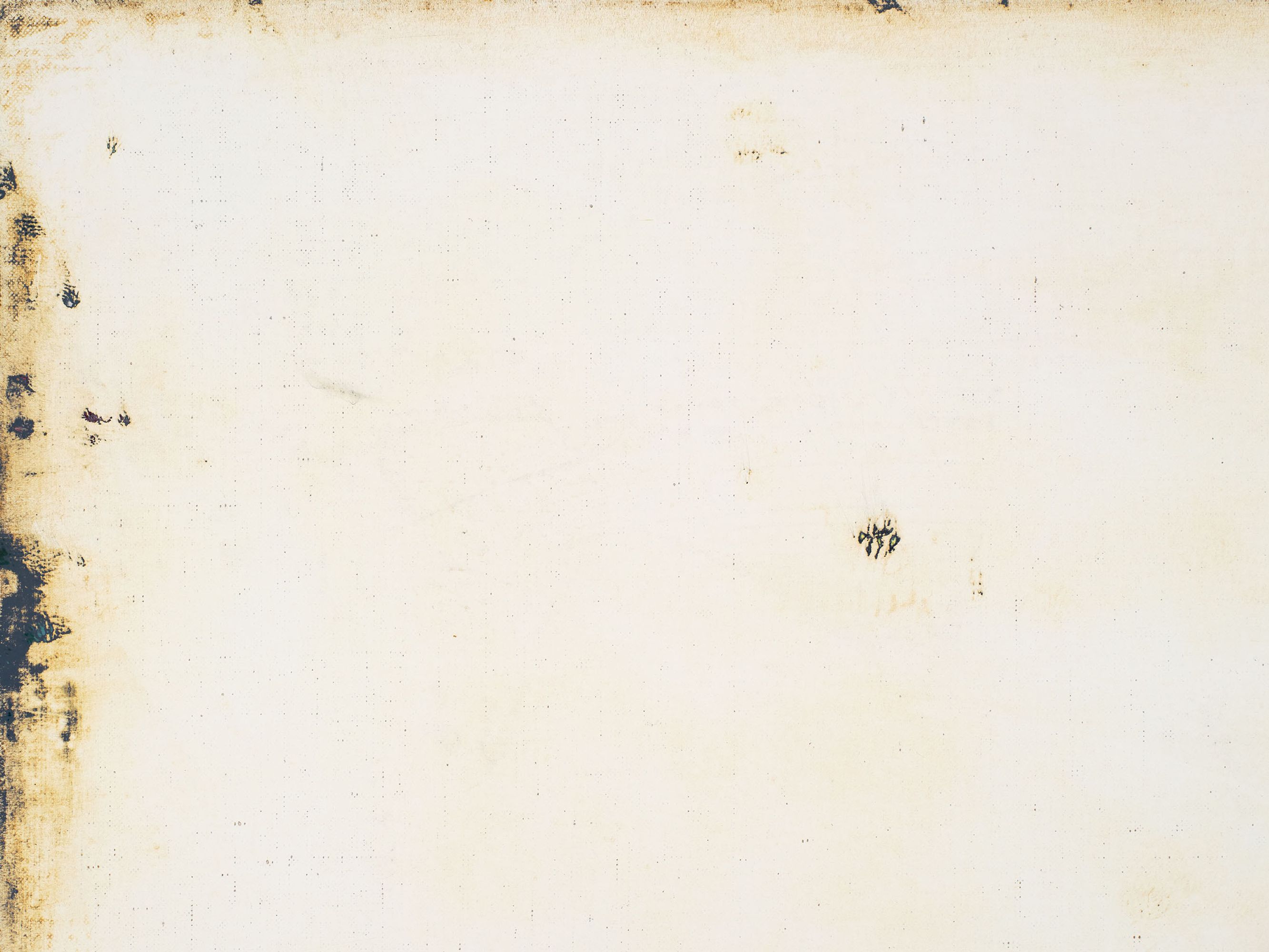
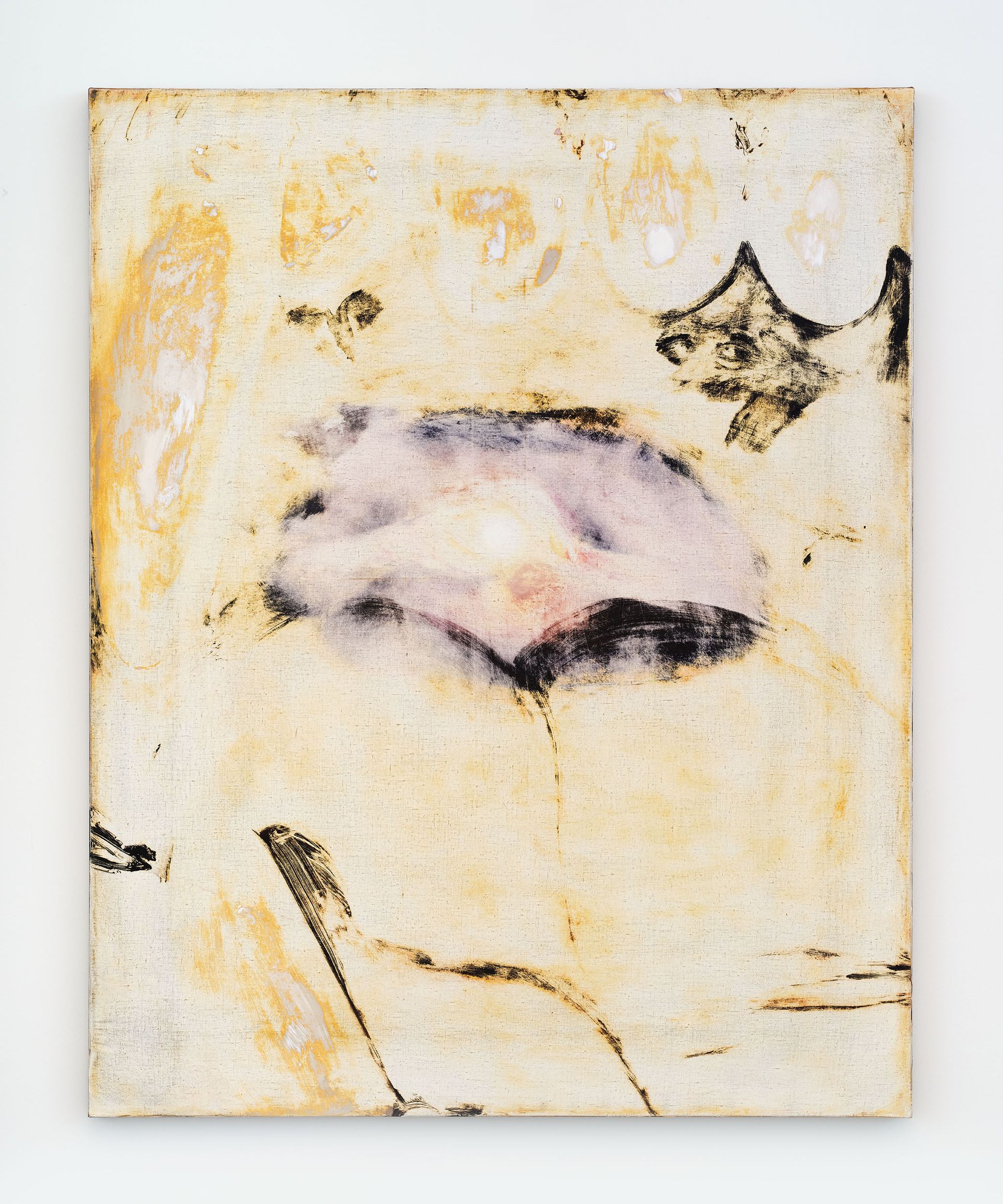
While Hanos’ vitiating efforts removed most of the imagery from each work, pictorial residue and color relations survive in the surfaces of these paintings. Just as each canvas received its material build-up with all the idiosyncrasies that typically define the Hanos’ painting techniques, the process of scrubbing them of imagery is equally inhomogeneous. With their spectral remnants of previous lives and practices, these works are palimpsests in reverse, in which muteness is the only contest to the tyranny of the image.
“There is no document of civilization which is not at the same time a document of barbarism.”
Walter Benjamin, These on the Philosophy of History, 1940